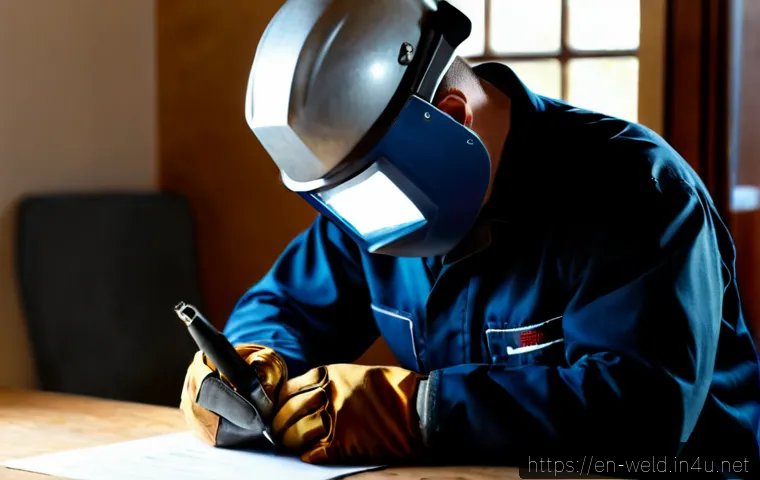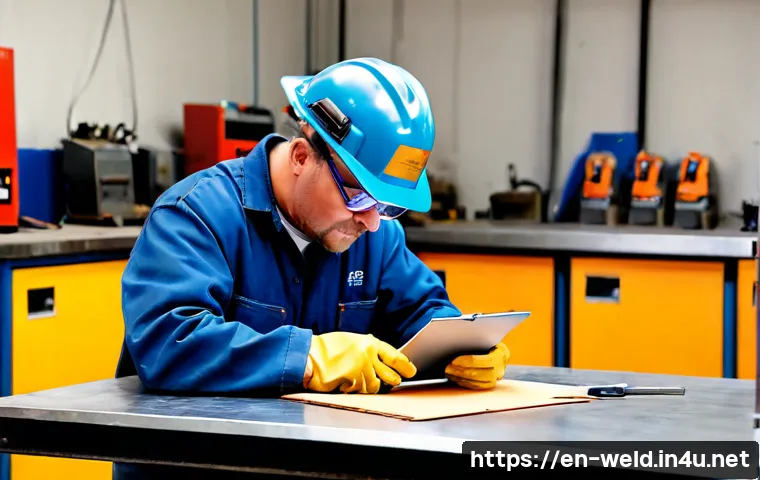
Welding can be a satisfying career when pay stability, safety standards, schedule, and advancement opportunities fit your priorities. A high survey score alone is not enough, because satisfaction can change sharply between specialties, employers, shifts, and project types.

Before paying for welding school or certification, compare the daily work conditions behind any career claim. This matters whether you are considering a paid apprenticeship, a faster trade-school route, or mobile welding work.
The best choice is usually the one with clear training value, realistic physical demands, and a workplace that respects skilled labor.
At a Glance
- Welding satisfaction depends more on the work setting and employer than on the job title alone.
- Compare pay, safety, workload, schedule, and advancement separately instead of trusting one overall survey percentage.
- Training costs and certification pathways vary, so compare tuition, tools, PPE, testing, and job-placement support before enrolling.
| Path | Upfront Cost Considerations | Schedule Control | Risk and Responsibility | Advancement Focus |
|---|---|---|---|---|
| Employee welding role | May include training, certifications, tools, and safety gear | Usually set by employer or shift pattern | Depends heavily on workplace safety culture and workload planning | Skill development, production responsibility, lead roles, or specialty work |
| Paid apprenticeship | May reduce the need for full tuition, but requirements vary | Often structured around work and training commitments | Requires balancing learning expectations with job-site demands | Supervised experience, certifications, and employer-based progression |
| Mobile or self-employed welding | Tools, transport, insurance-related needs, PPE, and operating costs may apply | Potentially more control, but client needs can drive the schedule | Business, travel, safety, and customer-management responsibilities | Client base, specialized services, and business operations |
What Welding Career Satisfaction Surveys Can—and Cannot—Tell You
The Short Answer: Satisfaction Depends on the Job Setting, Not the Job Title Alone
A welding survey can be useful as a starting point, but it cannot tell you whether your specific job will be satisfying. A fabrication-shop role, a travel-heavy field assignment, and a specialized industrial position may all be called welding jobs while offering very different schedules, physical demands, supervision, and career paths. Look beyond the headline result and ask what kind of welding work respondents actually performed.
Why One Overall Satisfaction Score Can Be Misleading
An overall score can hide the reasons people feel positive or negative about their work. One group may value overtime opportunities and another may see the same overtime as a work-life problem. A useful welding career satisfaction survey separates compensation, safety, workload, management, advancement, and work-life balance. Those categories help you identify whether a role matches your own priorities.
Questions to Ask Before Trusting a Survey Result
Check whether the survey explains its source, sample, timing, and location. It also matters whether respondents were apprentices, certified welders, contractors, union members, or employees. Ask whether the findings apply to a particular process, industry, employer, or shift. If those details are not available, treat the result as general context rather than a prediction of earnings, hiring chances, or personal satisfaction.
Compare the Factors That Shape a Welder’s Day-to-Day Satisfaction
Pay, Benefits, Overtime, and Predictable Income
Pay matters, but the structure behind pay matters too. Ask how hours are assigned, whether overtime is expected or optional, how often work volume changes, and whether the employer explains pay progression. A role with predictable income may suit someone who values stability, while another person may prefer work that offers more hours when projects are active. Local pay rates and benefits must be checked directly because they vary by labor market, employer, and job type.
Safety Culture, Equipment Quality, and Physical Strain
Safety is not a side issue in career satisfaction. Look for clear practices around personal protective equipment (PPE), equipment maintenance, ventilation, training, and reporting hazards. Ask what safety gear is supplied, what you are expected to purchase, and how damaged equipment is handled. Welding is physically demanding, so it is sensible to discuss lifting, awkward positions, heat, repetitive work, and the pace expected during a normal shift.
Shift Schedules, Travel Requirements, and Work-Life Balance
Some welding roles are based in one shop; others involve construction sites, field work, or travel. Before accepting a training route or job offer, ask about shift length, weekend expectations, project travel, and how much notice workers receive when schedules change. The “best” schedule is personal. What matters is whether expectations are stated clearly before you commit.
Team Culture, Supervision, and Respect for Skilled Work
Good supervision can make training more useful and daily work more manageable. During interviews or school visits, ask how new welders receive feedback, who signs off on work, and how employees can raise safety concerns. A workplace that explains quality standards, supports skill development, and treats welding as skilled work is generally easier to evaluate than one that gives vague answers about expectations.
Training Cost and Career-Value Comparison Before Entering the Trade
Trade School, Community College, Apprenticeship, and Employer-Sponsored Training
Each route has a different mix of cost, speed, structure, and work experience. Trade school or community college may offer a focused learning environment. A paid apprenticeship may combine instruction with supervised work. Employer-sponsored training can be valuable when it includes clear skill development and realistic progression. Do not assume one route is always cheaper or better; tuition, certification requirements, and hiring practices vary.
Budget Items Beyond Tuition: Certifications, Tools, PPE, Transport, and Testing
Tuition is only one part of the career-cost picture. Build a simple comparison list that includes welding certification testing, tools, PPE, transportation, course materials, and any travel connected to training or work. Ask the program which items are included and which are your responsibility. This avoids comparing a low advertised course price with a program that provides more equipment access or support.
When a Higher-Cost Program May Offer Better Value
A higher-cost program may deserve consideration if it clearly offers practical training time, relevant certification pathways, maintained equipment, strong safety instruction, and transparent job-placement support. That does not guarantee employment or satisfaction. It simply gives you more specific points to compare than price alone. Ask what placement support means in practice and whether it is connected to local employers or only general career guidance.
Common Mistakes When Evaluating Welding as a Career
Choosing a Program Based Only on Advertised Pay
Promotional pay claims do not describe every specialty, location, shift, or experience level. Compare the actual training content, certification preparation, safety instruction, and employer connections. A program should be able to explain what it teaches without relying only on earnings language.
Ignoring Safety Practices and the True Physical Demands
Do not wait until the first week of training to ask about protective equipment, ventilation, lifting, heat, or uncomfortable work positions. Visit when possible, observe the training space, and ask direct questions about PPE and safety procedures. Physical demands should be part of the career decision from the start.
Assuming Every Welding Specialty Has the Same Opportunities

Welding specialties can differ by project type, certification expectations, travel, equipment, and employer needs. A survey result for one setting may not transfer to another. Compare the specific type of work you want to pursue rather than treating “welder” as one uniform occupation.
Not Asking Employers About Progression, Training, and Overtime
Ask what happens after entry-level work. Useful questions include: How are new skills recognized? Is additional certification supported? What does overtime typically look like? Who provides training? Vague answers can be a warning sign, especially if the employer cannot explain how workers advance.
How Satisfaction Can Differ by Welding Work Environment
Manufacturing and Fabrication Shops
Shop-based work may offer a more consistent location and repeatable workflow. Satisfaction may depend on production pace, shift patterns, equipment condition, quality expectations, and supervisor support. Ask whether the role emphasizes repetition, varied fabrication tasks, or training into different processes.
Construction, Field Work, and Travel-Heavy Roles
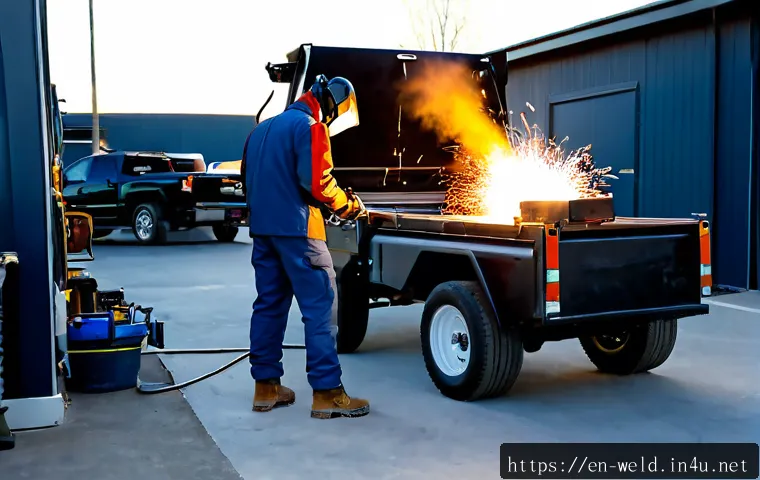
Field work can involve changing job sites, outdoor conditions, travel, and project-based scheduling. Some welders may value the variety; others may prefer a more predictable home routine. Confirm travel expectations, site safety practices, transportation arrangements, and overtime requirements before accepting the role.
Specialized Industrial Work and Advanced Certifications
Specialized work may require additional training or certifications. It can also involve more detailed quality standards and higher responsibility. Evaluate whether the training provider or employer explains the certification pathway, preparation process, testing expectations, and likely work environment clearly.
Mobile Welding and Self-Employment Considerations
Mobile welding can offer independence, but it also adds business decisions. You may need to consider transport, equipment, safety gear, scheduling, client communication, and the variability of project work. It is not simply an employee role with more freedom; it is a separate operating model with additional responsibility.
Choosing Training and an Employer: A Practical Comparison Summary
A Decision Checklist for Prospective Welders
Before choosing a course or employer, compare: total training cost, included tools and PPE, certification preparation, safety practices, schedule expectations, and the route to more skilled work. Also ask whether the setting matches your preference for shop work, travel, production work, construction, or independent projects.
How to Compare Tuition, Placement Support, Safety Standards, and Advancement
Request a written breakdown of course costs and included materials. Ask what job-placement support actually includes, how safety instruction is handled, and whether the program helps you understand certification pathways. For employers, ask how progression is reviewed, how training is assigned, and how overtime is communicated. Check the official course or employer information page for detailed conditions before making a financial commitment.
When to Prioritize a Paid Apprenticeship Over a Faster Training Route
A paid apprenticeship may be worth prioritizing when supervised experience, income during training, and a structured employer pathway are more important to you than completing training quickly. A faster route may suit someone who can fund training and wants focused preparation before applying. Compare the actual terms rather than assuming either option automatically leads to better job satisfaction.
Final Thoughts
Welding can be rewarding when the daily reality fits your goals. Look for a match between compensation, safety, schedule, physical capacity, and future skill development. Surveys are helpful when they explain these factors separately. They are less useful when they reduce a complex career decision to one number.
Useful Information to Keep in Mind
1. Ask what PPE, tools, and certification testing are included before comparing training prices.
2. Ask employers about overtime, travel, and progression before accepting an offer.
3. Compare the work environment, not just the welding job title.
4. Treat job-placement support as a service to evaluate, not a promise of employment.
Important Notes
Survey source details, respondent backgrounds, methodology, dates, and geographic coverage may not be available. Local tuition, certification fees, benefits, hiring practices, and demand can change by area and employer. No survey result can guarantee individual earnings, job availability, or career satisfaction.
Frequently Asked Questions
Q1. Is welding a satisfying career if I am choosing between trade school and an apprenticeship?
A1. It can be satisfying through either route, but the better option depends on what you value. Compare total costs, supervised work experience, certification preparation, schedule, safety instruction, and the employer pathway available after training. A paid apprenticeship may appeal if you want work experience during training, while a trade-school route may appeal if you want a more focused classroom and shop-learning structure.
Q2. What should I compare besides tuition when choosing a welding training program?
A2. Compare certification pathways, access to equipment, PPE requirements, tool costs, testing costs, transportation needs, safety training, practical welding time, and job-placement support. Ask which items are included in the stated course cost and which ones require separate spending.
Q3. How can I tell whether a welding employer has a strong safety culture and fair career progression?
A3. Ask direct questions about PPE, equipment maintenance, ventilation, hazard reporting, new-worker training, overtime, and skill progression. Clear, specific answers are more useful than broad promises. You should also ask how additional training and certifications are supported, and how workers move into more skilled responsibilities.