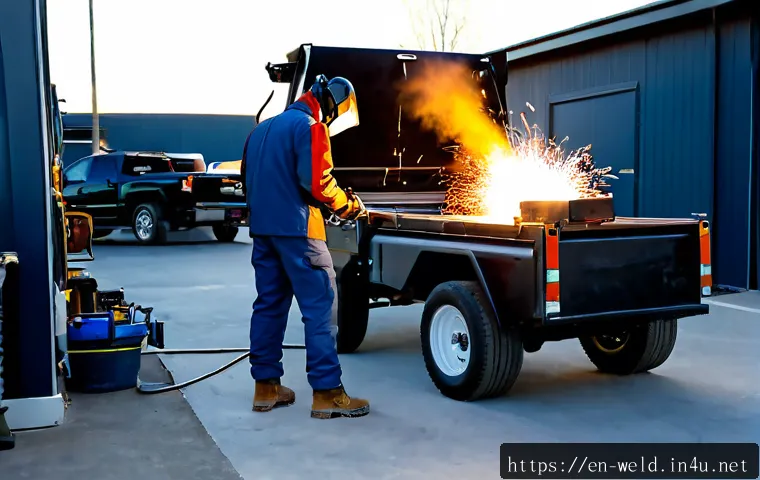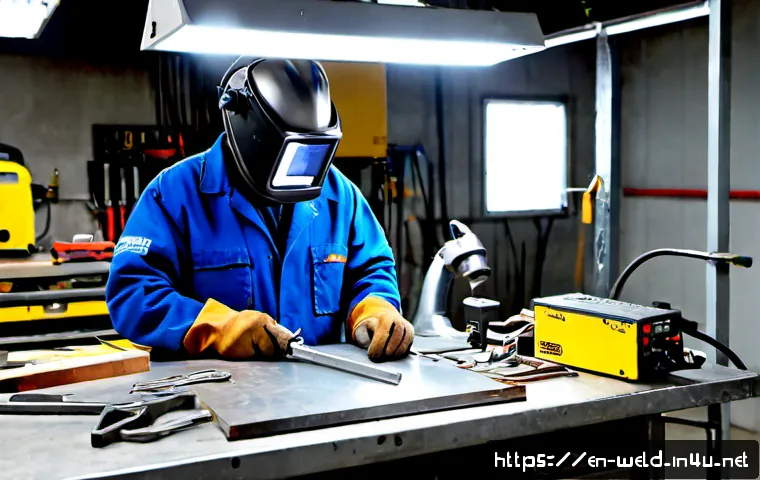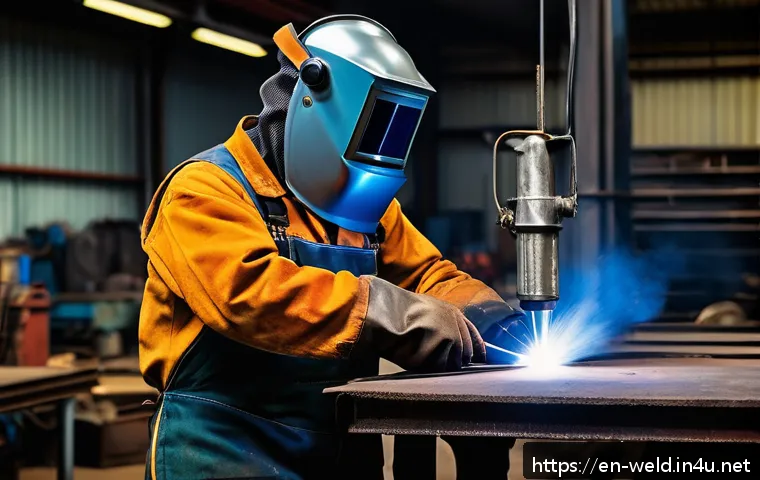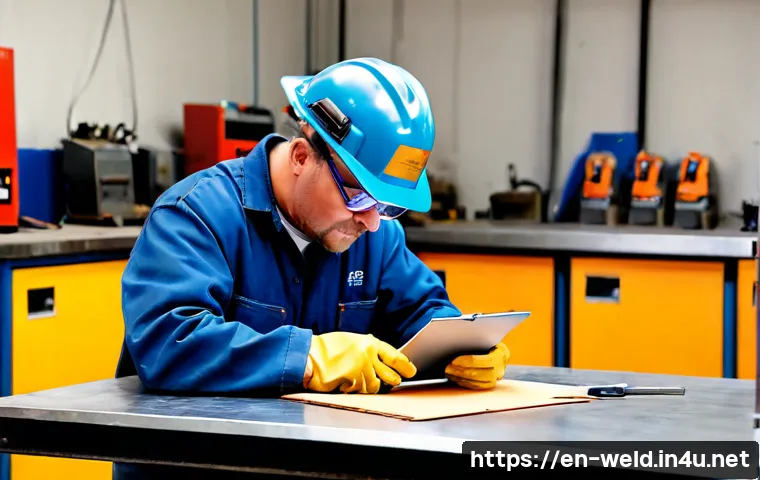
Before changing welding jobs, document the processes and positions you can prove, gather current qualification and safety records, and compare the full offer—not just the hourly rate.
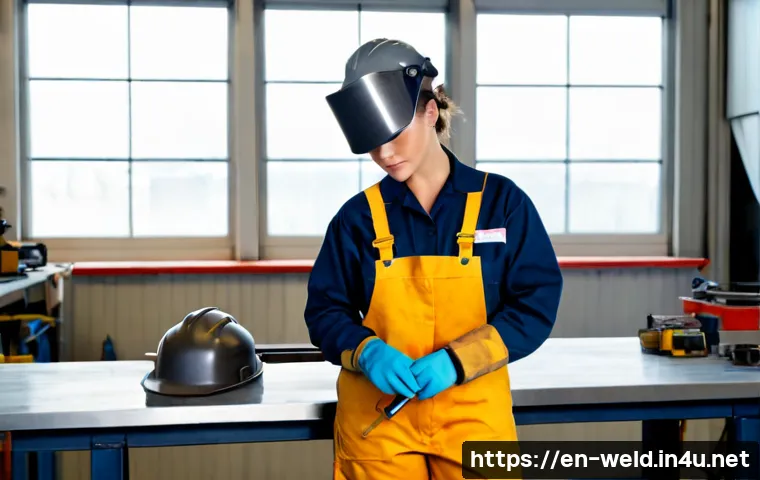
A stronger move usually starts with a clear resume, realistic testing preparation, and written answers about travel, tools, benefits, and schedule. Certification training, a weld test retake, updated PPE, or staffing-agency support can be useful when they match the exact roles you are targeting.
The right choice depends on whether you want local stability, specialized industrial work, or travel assignments with different compensation terms. Do not assume a previous qualification transfers automatically to a new employer or project.
Review each opening carefully before spending money or accepting a start date.
At a Glance
- Document your welding processes, materials, positions, equipment, and work scope before applying.
- Keep qualifications, test records, safety training, identification, and work history organized and current.
- Compare total compensation: pay, overtime, per diem, benefits, tools, commute, travel, and job duration.
| Job Path | What to Compare | Potential Costs or Trade-Offs | Best Question to Ask |
|---|---|---|---|
| Local shop role | Base pay, shift schedule, commute, benefits, long-term stability | Lower travel-related compensation may be offset by lower personal disruption | Is the role steady, and what processes or materials will I use most? |
| Industrial or maintenance work | Testing requirements, overtime, safety expectations, site access, physical demands | Project requirements may be more specific than general welding experience | What qualification is required for this site and who covers testing? |
| Travel assignment | Per diem, lodging, travel terms, guaranteed hours, assignment duration | Time away, travel expenses, unclear end dates, and unpaid gaps between assignments | Which travel and lodging costs are covered in writing? |
| Staffing-agency placement | Assignment terms, pay structure, benefits, conversion options, onboarding timeline | Terms can differ by assignment and client project | Who is responsible for PPE, tools, testing, and certification renewals? |
Start With a Three-Step Readiness Check
Confirm the welding processes, materials, and positions you can document
Start with what you can explain clearly and honestly. List the welding processes you have used, the materials you have worked with, the positions you can perform, and the equipment you know. Employers commonly look at process experience, material familiarity, position qualifications, safety practices, and drawing or welding procedure specification reading ability.
Be specific without overstating your background. “Performed fabrication welding” is vague. A stronger description identifies the process, material, position, equipment, and type of work. If you have limited experience in a process or position, say so directly and focus on the work you can document.
Gather qualifications, test records, safety training, and identification documents
Put your paperwork in one accessible folder before applications start. Include qualification or test records you have, relevant safety training records, work history, references, and identification documents that may be needed during onboarding. A current welding test or performance qualification may be requested, but an existing qualification does not automatically transfer to every employer or project.
Check dates and names carefully. Expired paperwork, inconsistent job dates, or documents that do not match your application can slow a hiring process. If a role mentions a code, license, union requirement, or project-specific qualification, confirm the requirement with the employer or recruiter.
Decide whether you need a local role, higher-pay travel work, or a long-term employer
Your job search becomes easier when you set a priority. A local fabrication role may suit someone who values a predictable commute and a stable schedule. Industrial maintenance, structural work, pipe work, shipyard work, or travel assignments may offer different work conditions and qualification demands.
Do not treat every opening as interchangeable. Decide whether your top goal is steady employment, specialized experience, travel compensation, benefits, or a shorter contract assignment. That choice determines whether training, updated tools, or recruiter support is likely to be worth considering.
Compare Welding Job Paths Before You Apply
Local fabrication shop versus industrial, construction, and maintenance work
Local shop positions may emphasize production pace, fabrication drawings, repeatable processes, and equipment familiarity. Industrial, construction, and maintenance roles may place more emphasis on site requirements, practical testing, safety procedures, access rules, and changing schedules.
For pipe, structural, or industrial roles, do not assume broad welding experience is enough. Ask which processes, materials, positions, and project qualifications are expected. This can prevent spending time on applications that require experience you cannot currently document.
Direct hire versus staffing agency placement
Direct-hire roles may be attractive if you are looking for a longer-term employer and a clearer benefits structure. Staffing agencies may provide access to short-term, travel, shutdown, or specialized assignments that are harder to find through a standard local search.
Neither route is automatically better. Review the employment terms, assignment duration, pay structure, benefits, testing expectations, and travel responsibilities before accepting. If working with a welding staffing agency, ask who the employer of record is and what happens when an assignment ends.
What to compare beyond hourly pay: overtime, per diem, benefits, tools, commute, and schedule
An hourly rate is only one part of an offer. Overtime availability, shift differentials, per diem eligibility, insurance, retirement plans, commute length, required tools, PPE, and travel expenses can materially change the value of a job.
Create a simple offer comparison sheet. Put each offer side by side and note what is confirmed, what is unclear, and what needs to be requested in writing. A travel role with a higher stated rate may not be the better choice if lodging, transportation, unpaid travel time, or assignment duration are uncertain.
When certification training or a weld test retake may be worth the cost
Welding certification training or a test retake may have a practical return when it directly matches a realistic target role. It may be less useful when you are buying training without knowing whether local employers or the project you want will recognize it.
Before paying, ask: Does this course or test align with the jobs I can apply for now? Also ask whether the employer pays for testing, training, renewals, PPE, or required tools. Compare official course details, test requirements, and employer terms before committing.
Build an Application Package That Shows Real Shop Value
Write a process-specific welding resume
A skilled-trades resume is stronger when it identifies your welding processes, materials, positions, equipment, certifications, and measurable work scope. Lead with the work you can support in an interview or practical test.
Use plain language. Include the type of environments where you worked, such as fabrication, maintenance, structural work, industrial settings, or shipyard work if applicable. Add drawing-reading or welding procedure specification experience only when you can explain it accurately.
Describe work scope without overstating qualifications
Hiring managers can usually spot vague claims. Avoid saying you are qualified for every process, position, or material if your experience is limited. Instead, separate your strongest skills from areas where you are still developing.
This approach protects your credibility. It also helps recruiters match you with openings where your documented skills are more likely to fit the project requirements.
Prepare a work history list, references, and portfolio-ready project details
Keep a clean work history list with employer names, job titles, dates, primary processes, and main duties. Have references ready when appropriate. You can also prepare brief, non-confidential project details that show the type of work you handled, your role, and the conditions you worked under.
Do not share proprietary drawings, restricted site information, or material that belongs to a former employer. The goal is to show work scope, not disclose confidential project details.
Avoid common application mistakes that delay hiring
Common problems include expired qualification paperwork, a resume with no process details, missing safety documentation, and inconsistent employment dates. Another mistake is applying for travel work before confirming whether you can meet the location, schedule, physical-demand, and onboarding requirements.
Review every application before submitting it. A short accuracy check is often more valuable than sending a large number of generic resumes.
Prepare for Testing, Interviews, and Site Requirements
Review likely practical-test expectations and safety questions
Some roles may require a current welding test or a new performance test. Review the job description and ask what the test covers. You may need to confirm the process, material, position, consumables, procedure expectations, and whether testing is performed before or after an offer.
Be prepared to discuss safety practices, drawing interpretation, and how you follow welding procedures. If you do not know the exact test requirement, ask rather than guessing.
Ask about consumables, PPE, tools, testing costs, and onboarding timing
Do not wait until the first day to learn what you must provide. Ask whether the employer supplies consumables, PPE, welding tools, testing, training, and certification renewals. If your PPE needs replacement, compare required specifications before purchasing an upgrade.
Also ask about the onboarding timeline. Drug screening, background checks, site access, and physical-demand reviews may be part of the process depending on the employer and project.
Check travel, drug-screening, background-check, and physical-demand requirements
Travel roles often involve more than a different jobsite. Confirm departure expectations, lodging terms, travel reimbursement, per diem conditions, schedule changes, and the expected assignment length. For any screening or physical-demand requirement, ask the employer or agency what applies to that specific opening.
Protect yourself from unclear job descriptions and incomplete pay terms
A vague job description is a reason to ask more questions, not a reason to fill in the blanks yourself. Get clarity on hourly pay, overtime conditions, shift differentials, per diem eligibility, benefits, tool requirements, location, and duration.
If material terms are unclear, request written details before you make a commitment. This is especially important for shutdown, contract, and travel welding assignments.
Use a Different Strategy for Your Target Welding Role
Tips for entry-level and shop-based welders
Focus on dependable fundamentals: the processes you have practiced, materials you know, safe work habits, and willingness to learn the shop’s procedures. A local role can be a practical place to build documented experience before pursuing more specialized work.
Tips for experienced structural, pipe, and industrial welders
Make your resume highly specific. Separate structural, pipe, industrial maintenance, fabrication, and field experience where possible. Highlight the processes, positions, materials, equipment, and procedure-reading experience that are relevant to the opening.
Tips for welders considering travel, shutdown, or contract assignments
Travel assignments require a stronger offer review. Confirm per diem, lodging, travel terms, expected hours, job duration, required tools, and the point of contact. Do not rely on verbal assumptions about what is covered.
Tips for returning to welding after a career break
Be direct about your recent work history and focus on what you can currently demonstrate. A refresher course, test retake, or updated safety training may be worth exploring when it helps you meet a known employer requirement. Confirm the target role first instead of paying for unrelated credentials.
Selection Criteria and Offer Comparison
Before accepting, check pay structure, expected or guaranteed hours, overtime terms, benefits, per diem eligibility, commute or travel costs, required tools and PPE, testing responsibility, and job duration. Compare the total package rather than choosing solely by the highest hourly figure. Ask what is confirmed in writing and what remains project-dependent. When evaluating welding certification training, PPE upgrades, or recruiter assistance, compare the exact requirement against the roles you can realistically pursue. Review official training details and the full employment terms on the relevant provider or employer page before committing.
Final Thoughts
A welding job change is easier when your documents, work history, and target roles are organized before you apply. Be clear about the processes and positions you can support, then ask direct questions about testing, safety, travel, and compensation. A better offer is not always the one with the highest stated rate. It is the one whose full terms fit your skills, responsibilities, and personal priorities.
Useful Information to Keep in Mind
1. A previous welding qualification may not transfer automatically to a new employer or project.
2. Travel compensation should be reviewed alongside lodging, commute, schedule, and assignment duration.
3. A process-specific resume is more useful than a general list of welding duties.
4. Training and PPE purchases are easier to justify when they match a known job requirement.
Important Notes
Requirements for certifications, code qualifications, licenses, union membership, testing, screening, benefits, and travel terms can vary by employer, project type, local rules, and work setting. Confirm the details for each opening directly with the employer, project representative, union, or staffing agency. Do not assume that a qualification, benefit, rate, or per diem arrangement applies to every welding job.
Frequently Asked Questions
Q1. What should a welder update before applying for a new job?
A1. Update your resume with the welding processes, materials, positions, equipment, certifications, and work scope you can document. Also organize test records, safety training, work history, references, and any identification documents needed for onboarding.
Q2. Is it worth paying for a welding certification before changing employers?
A2. It can be worthwhile when the training or test directly matches roles you are targeting and the employer or project is likely to require it. First confirm whether the qualification is relevant, whether it transfers to that employer or project, and whether testing or training may be employer-paid.
Q3. How should welders compare a travel job with a local full-time position?
A3. Compare more than the hourly rate. Review overtime, per diem, lodging, travel costs, commute, benefits, required tools, schedule, expected duration, and stability. Ask for unclear terms in writing before deciding which total package works better for you.