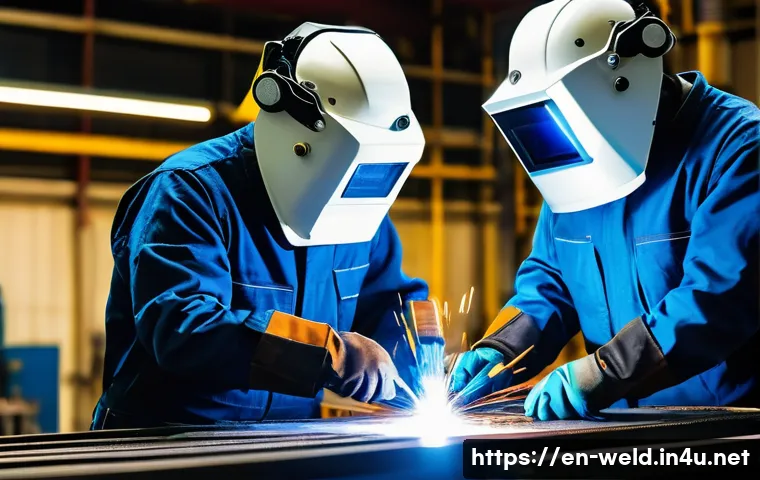
Thinking about quitting your welding job? You’re not alone—many welders are reevaluating their careers amid shifting industry demands and evolving technologies.

Before making such a big move, it’s crucial to understand the key factors that can impact your future success and financial stability. Whether it’s about upgrading your skills, managing benefits, or planning your next steps, knowing what lies ahead can save you from unexpected challenges.
Let’s dive into essential insights that every welder should consider to ensure a smooth and confident transition. Stick around—you’ll want to hear this before making any decisions!
Evaluating Your Financial Security Before Leaving
Understanding Your Current Compensation Package
When you’re thinking about quitting your welding job, one of the very first things to dig into is the full scope of what you’re currently earning—not just the hourly wage or salary, but the entire compensation package.
This includes overtime pay, bonuses, shift differentials, and any other forms of variable income that might not be obvious at first glance. From my own experience, I realized that my paycheck looked smaller on paper when I only considered base pay, but once I factored in weekend bonuses and holiday pay, the numbers told a different story.
You want to get a realistic picture so that when you move on, you don’t end up with a nasty surprise in your bank account.
Accounting for Benefits and Retirement Plans
Benefits can sometimes be the silent MVP of a compensation package, and that’s especially true in welding jobs where health insurance, dental coverage, and retirement contributions often make a huge difference.
If your current employer contributes to your 401(k) or pension plan, quitting means losing out on those “free” contributions. And let’s not forget about health insurance—especially if you or your family rely on it.
The cost of private insurance or marketplace plans can be shockingly high, so before you hand in your notice, check how long your current coverage lasts and whether COBRA or other options are feasible.
I’ve known welders who underestimated these costs and ended up scrambling to cover medical bills, which is something you definitely want to avoid.
Budgeting for a Transition Period
Leaving a job without a new one lined up can mean a period of reduced or no income, so budgeting ahead is crucial. I always recommend having at least three to six months’ worth of living expenses saved up before making a move.
This buffer gives you breathing room to search for a new position or even consider retraining without the constant pressure of bills stacking up. Think about rent or mortgage, utilities, groceries, transportation, and any debt payments.
If you have a family, don’t forget to include childcare or school-related expenses. Planning for this transition period isn’t just smart—it’s essential for your peace of mind.
Upskilling and Certifications: Investing in Your Future
Identifying In-Demand Skills in Welding and Beyond
The welding industry is evolving fast, with new technologies like automated welding systems and advanced materials coming into play. If you’re thinking about quitting because you feel stuck or behind, consider this an opportunity to upskill.
Certifications in specialized areas such as underwater welding, robotic welding, or pipefitting can open doors to higher-paying roles or entirely new career paths.
From what I’ve seen, welders who invest time in learning these niche skills often find themselves in higher demand and with better job security. Don’t just rely on what you learned years ago—check job postings in your area or nationwide to see what employers are actually looking for.
Training Programs and Apprenticeships to Explore
If you’re worried about the cost or time commitment of getting certified, keep in mind that there are plenty of training programs designed to fit different schedules and budgets.
Community colleges, vocational schools, and even some unions offer flexible apprenticeships and part-time courses that allow you to work while you learn.
When I took an advanced welding course, it was night classes twice a week, which worked perfectly around my job. Some employers also offer tuition reimbursement, so if you’re still employed, that might be worth exploring.
Apprenticeships are a fantastic way to gain hands-on experience while earning, which can be a game changer if you want to switch specialties or advance.
How Certification Can Impact Your Earnings
Getting certified isn’t just about job security—it can directly impact your paycheck. For example, a Certified Welding Inspector (CWI) credential can boost your hourly rate significantly compared to a general welder without certifications.
When I spoke with peers who upgraded their credentials, many reported a 15-30% pay increase within a year. Plus, certifications can make you more attractive to employers who need compliance with safety and quality standards, especially in industries like aerospace, energy, or manufacturing.
It’s an investment that pays off by making you more marketable and giving you leverage during salary negotiations.
Understanding Job Market Trends and Opportunities
Regional Demand and Industry Growth
Before quitting, it’s smart to research where welding jobs are growing and which sectors are hiring. For instance, the energy sector (especially renewable energy like wind and solar) is booming in some states, while traditional manufacturing might be shrinking elsewhere.
I found that the Gulf Coast and certain parts of the Midwest have strong demand for pipeline welders, whereas the automotive industry is shifting towards electric vehicles, creating new roles for welders skilled in aluminum and battery pack assembly.
Knowing these trends helps you target your job search effectively rather than shooting in the dark.
Alternative Career Paths for Welders
If you’re feeling burned out or just want a change, welding skills can be surprisingly transferable. Many welders move into inspection, quality control, or welding education roles.
Others transition into related trades like machining, fabrication, or even safety management. I personally know someone who became a welding safety consultant and tripled their income by combining welding expertise with safety certifications.
Exploring these alternative paths can be empowering, especially if you want to stay connected to the trade but in a less physically demanding or more stable role.
Evaluating Contract vs. Full-Time Employment
One big question many welders face is whether to jump into contract or freelance work after quitting. Contract work often pays more per hour, but without benefits and with less job security.
Full-time roles typically offer steady income, benefits, and a clearer career ladder. When I tried contract welding, the paychecks were great but inconsistent, and I had to manage my own insurance and taxes.
On the other hand, a full-time job gave me stability but less flexibility. Weighing these pros and cons according to your personal situation is essential to avoid regrets down the road.
Navigating Health and Safety Considerations Post-Employment
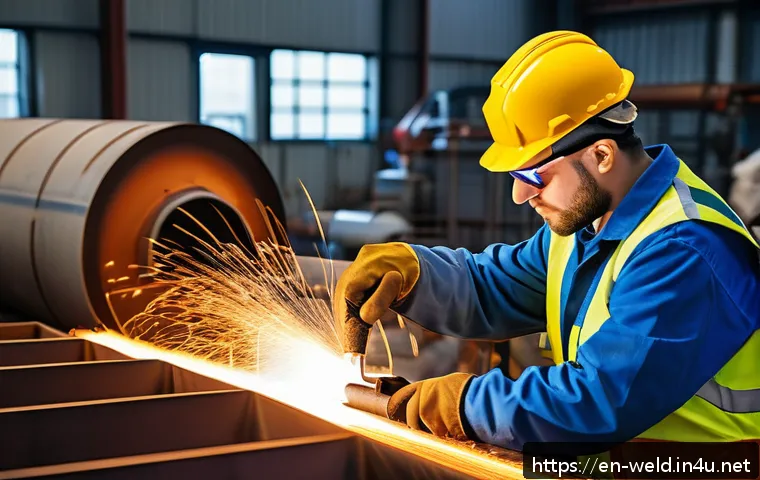
Maintaining Health Insurance Coverage
One of the trickiest parts about quitting any job, including welding, is managing your health insurance. If you have pre-existing conditions or dependents, this can become a major source of stress.
I found that signing up for COBRA coverage right after leaving my job helped me avoid gaps in insurance, but it was expensive. Alternatively, shopping for plans on the Affordable Care Act marketplace might provide subsidies based on your income, which can ease the cost.
Don’t wait until your last day to figure this out—start researching options at least a month before quitting.
Addressing Physical Health and Ergonomic Challenges
Welding is physically demanding, and many welders face chronic issues like back pain, respiratory problems, or joint strain. If you’re quitting because of health concerns, consider how you’ll manage these ongoing issues.
Personally, I started physical therapy while still employed, which made a huge difference. When looking for your next role or career, try to find positions with better ergonomic support or less repetitive strain.
Some employers now invest more in worker wellness programs, which can be a real bonus.
Access to Mental Health Resources
The mental toll of welding—long hours, stress, and sometimes hazardous environments—is often overlooked. After leaving my job, I realized how important it was to maintain access to counseling or support groups, especially during a career transition.
Check if your current or future employer offers Employee Assistance Programs (EAPs) or mental health benefits. If not, there are community resources and online therapy platforms that can help.
Taking care of your mental health is just as important as your physical well-being during this period.
Planning Your Next Move: Strategies for a Smooth Transition
Timing Your Resignation Strategically
Deciding when to quit isn’t just about your personal readiness; it’s also about market timing and your financial situation. I learned that quitting right before major project deadlines or peak seasons can burn bridges and complicate references.
Ideally, try to leave during a lull or after completing a big job, which shows professionalism and respect. Also, consider how much notice to give—two weeks is standard, but sometimes a longer notice period can improve your reputation and open doors for future gigs.
Networking and Leveraging Industry Connections
One of the best ways to find your next opportunity is through your network. Fellow welders, supervisors, and union contacts can provide leads, references, and advice.
I once landed a better-paying job simply because a colleague recommended me to their manager. Don’t underestimate the power of social media groups, trade associations, and local meetups.
Building and maintaining these relationships before and after quitting can smooth your career path tremendously.
Preparing a Winning Resume and Interview Approach
When it comes to job hunting, your resume and interview skills can make or break your chances. Highlight your certifications, specialized skills, and any leadership or safety roles you’ve held.
Use concrete numbers or project examples to demonstrate your impact. For interviews, practice answering questions about why you’re leaving and what you’re looking for next.
Being honest but positive about your decision will resonate well with employers. I found that tailoring my resume for each job and practicing with a friend boosted my confidence and success rate significantly.
Comparing Key Factors to Consider Before Quitting
| Factor | Key Questions to Ask | Potential Impact |
|---|---|---|
| Compensation | Am I fully aware of my total pay including bonuses and overtime? | Ensures financial stability after leaving |
| Benefits | What happens to my health insurance and retirement plans? | Avoids unexpected costs and loss of coverage |
| Skills & Certifications | Do I need additional training to improve job prospects? | Improves employability and earning potential |
| Job Market | Which industries and regions have strong demand? | Guides strategic job search and relocation decisions |
| Health & Safety | How will I maintain health insurance and manage physical strain? | Protects long-term well-being |
| Transition Planning | When and how should I resign to maintain professionalism? | Preserves reputation and network for future opportunities |
In Closing
Deciding to leave your welding job is a major step that requires careful financial and personal consideration. By thoroughly evaluating your compensation, benefits, skills, and job market conditions, you can make a more informed and confident decision. Remember, planning your transition thoughtfully will help you avoid unexpected challenges and position you for future success.
Helpful Tips to Remember
1. Always calculate your total earnings, including bonuses and overtime, to get a clear picture of your financial standing.
2. Review your health insurance and retirement benefits carefully to avoid costly surprises after quitting.
3. Invest in upskilling or certifications that align with current industry demands to increase your job prospects and earning potential.
4. Research regional job markets and alternative career paths to target your job search effectively.
5. Maintain your health coverage and mental well-being during and after your transition for long-term stability.
Key Takeaways
Before making the leap, ensure you fully understand your total compensation and benefits to secure your financial future. Upskilling and certifications can significantly enhance your career opportunities and salary. Stay informed about job market trends to make strategic decisions, and plan your resignation timing carefully to preserve your professional relationships. Lastly, prioritize your physical and mental health throughout the process to maintain overall well-being.
Frequently Asked Questions (FAQ) 📖
Q: What should I consider before quitting my welding job?
A: Before making the decision to quit, evaluate your financial stability, current skill set, and job market trends. It’s important to have a clear plan for what’s next—whether that means upgrading your certifications, exploring different industries that use welding skills, or even considering further education.
Also, review your benefits like health insurance and retirement plans to avoid gaps that could affect your well-being. I found that mapping out these factors beforehand made my transition much smoother and less stressful.
Q: How can upgrading my welding skills improve my career prospects?
A: Enhancing your skills can open doors to higher-paying positions and specialized roles that are in demand, such as underwater welding or robotic welding operations.
Technology is evolving fast, so staying current with the latest welding techniques and certifications not only boosts your employability but also increases job security.
From my experience, investing time in learning new welding technologies helped me negotiate better pay and find more rewarding projects.
Q: What are the financial risks involved in quitting a welding job without a backup plan?
A: Quitting without a backup can lead to income gaps, loss of benefits, and unexpected expenses, which might strain your finances. Welding jobs often come with benefits like health coverage and retirement contributions that you could lose immediately after quitting.
Personally, I recommend building an emergency fund and securing another job or training opportunity before making the leap. This approach reduces stress and protects your financial health during the transition.