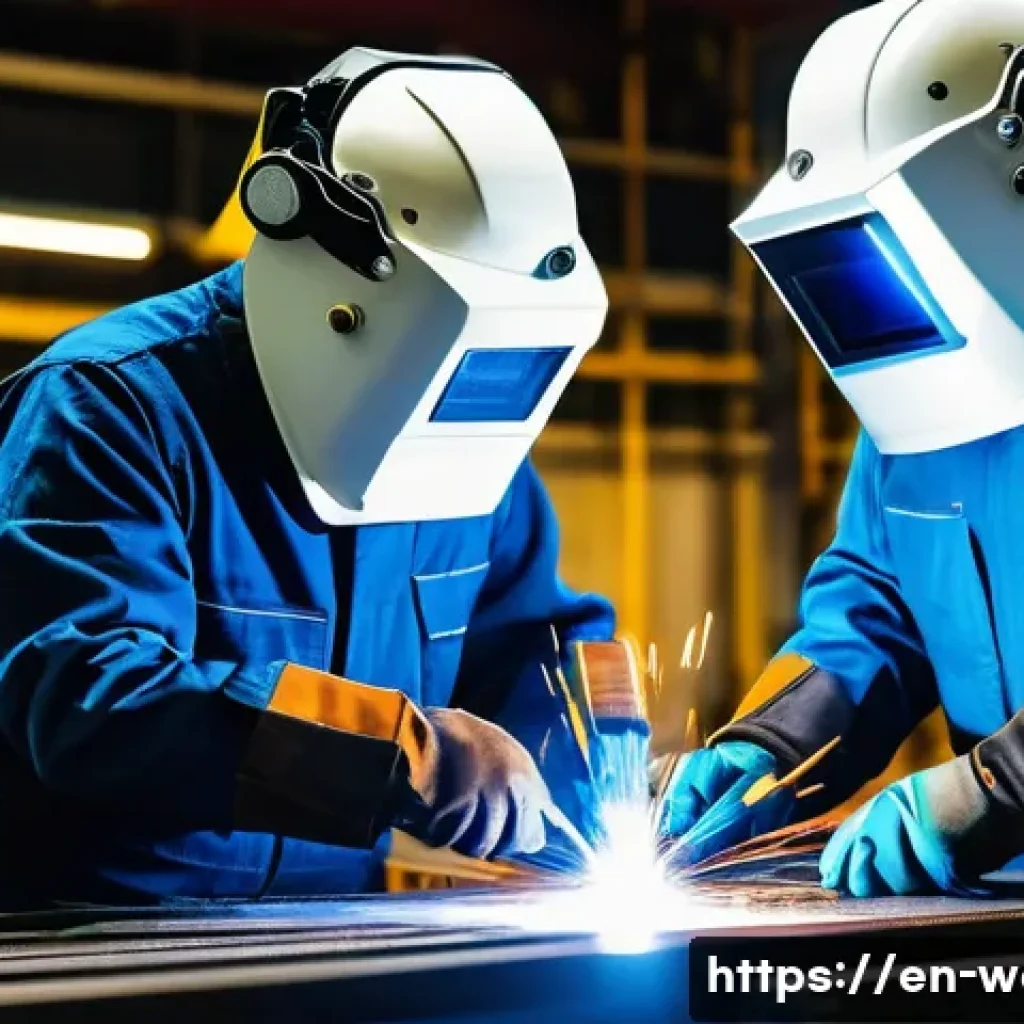
Navigating a welding career today demands more than just technical skill; it requires strategic planning and continuous growth to stay competitive. With evolving industry standards and emerging technologies, welders must actively manage their certifications, safety knowledge, and hands-on experience.
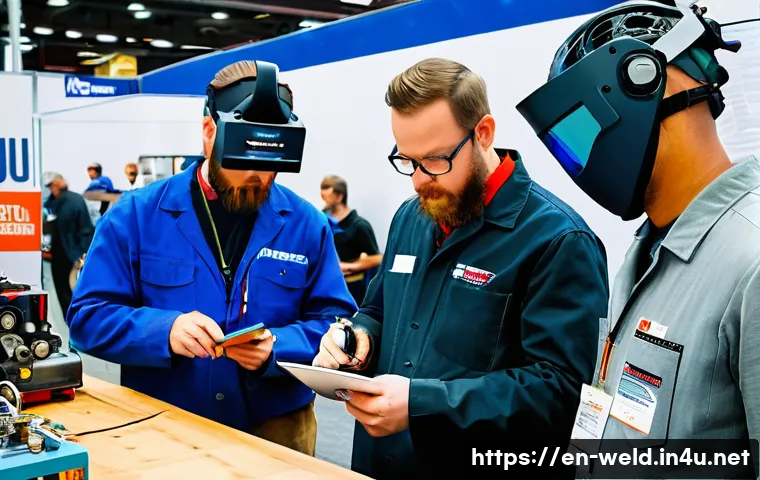
Efficient career management not only boosts job prospects but also ensures long-term financial stability and job satisfaction. From mastering specialized welding techniques to networking within the trade community, every step matters.
If you’re ready to elevate your welding career and secure a brighter future, let’s dive into the details below!
Building a Solid Foundation with Certifications and Skills
Understanding the Importance of Welding Certifications
Getting certified is more than just a box to check; it’s the backbone of credibility in the welding world. From AWS (American Welding Society) certifications to specialized endorsements like pipe welding or structural steel, each credential tells employers you’re serious and skilled.
When I first got my AWS certification, it opened doors I didn’t even know existed—contractor gigs, higher pay rates, and bigger projects. The key is to keep these certifications current and stack them strategically based on your career goals.
Remember, certifications aren’t a one-time deal—they’re ongoing investments in your professional reputation.
Mastering Diverse Welding Techniques
You might be comfortable with MIG welding, but today’s job market rewards versatility. TIG, Stick, Flux-cored—each technique has its place depending on the material and industry.
I found that diving into TIG welding gave me a competitive edge when I started working on aerospace components where precision is king. It’s worth setting aside time to practice unfamiliar methods or even taking short courses.
The more methods you can confidently perform, the more valuable you become to a wide range of employers.
Staying Up-to-Date with Safety Protocols
Safety isn’t just about following rules; it’s about protecting your livelihood and health. Welding environments can be hazardous, with risks like toxic fumes, electric shock, or burns.
I’ve seen firsthand how staying sharp on the latest OSHA (Occupational Safety and Health Administration) standards and wearing the right PPE (personal protective equipment) prevents accidents that could sideline a career.
Regular safety training sessions are crucial. Don’t skip them even if you feel experienced—it’s a lifesaver in more ways than one.
Networking and Building Industry Relationships
Connecting with Fellow Welders and Mentors
Welding can feel like a solitary craft, but the truth is, who you know often matters as much as what you know. I joined local welding unions and trade groups early on, which was a game-changer.
Not only did I get access to job leads and apprenticeship opportunities, but mentors who shared their real-world insights shaped my approach to challenges on the job.
Don’t underestimate the power of a good mentor—they can fast-track your learning and career growth.
Leveraging Online Platforms for Exposure
Social media and professional platforms like LinkedIn or industry-specific forums can amplify your presence. Sharing your projects, certifications, and even welding tips online positions you as a knowledgeable professional.
I started posting welding videos and got noticed by a company looking for someone with my skill set. These platforms also allow you to keep a pulse on industry trends and job openings that aren’t advertised elsewhere.
Attending Industry Events and Workshops
Trade shows, workshops, and seminars might seem like just another commitment, but they’re goldmines for networking. I remember attending a welding expo where I met a recruiter who later hired me for a specialized role.
These events also showcase new technology and tools, keeping you ahead of the curve. Plus, the hands-on demos at workshops often reveal practical tips you won’t find in manuals or videos.
Managing Career Progression Through Strategic Job Choices
Evaluating Job Offers Beyond Salary
When I received my first few job offers, I focused heavily on the paycheck, but experience taught me to look deeper. Benefits like health insurance, retirement plans, and even opportunities for overtime or shift differentials can make a huge difference in your overall compensation and work-life balance.
Also, consider the company’s reputation and the types of projects you’ll work on—these affect your skill development and resume strength.
Seeking Roles that Encourage Growth and Specialization
Not all welding jobs are created equal. Some positions offer exposure to high-tech materials or complex blueprints, while others might be more routine.
I made a conscious decision to move toward industries like aerospace and oil & gas because they demanded advanced skills and offered better pay. If you want to grow, look for roles that challenge you and push your boundaries, even if it means starting at a slightly lower pay grade temporarily.
Balancing Stability and New Opportunities
Job hopping can sometimes be viewed negatively, but in welding, it’s often necessary to climb the ladder or diversify your experience. I’ve switched jobs a few times to gain exposure to different welding environments and to negotiate better terms.
The trick is to maintain professionalism and leave each job on good terms. Stability is important, but so is growth—finding the right balance is key to a sustainable career.
Financial Planning and Maximizing Earnings
Understanding Wage Trends in Welding
Welding wages vary widely depending on location, industry, and specialization. For example, welders in oil & gas or aerospace tend to earn more than those in general manufacturing.
I tracked local wage data to negotiate my salary better, and it helped me land raises that matched industry standards. Knowing where you stand financially allows you to make informed decisions about job changes or additional certifications.
Budgeting for Irregular Income and Benefits
Many welders work on contract or seasonal jobs, which means income can fluctuate. I learned early to budget carefully during lean months and save aggressively.
Also, some employers offer benefits like union pension plans or paid training—these perks are valuable and should factor into your overall financial planning.
Consider consulting a financial advisor familiar with trade professions to optimize your money management.
Exploring Side Hustles and Passive Income Options
Given the physical demands of welding, having a backup income stream is smart. Some welders I know teach welding classes, create YouTube content, or sell custom metal art.
I tried a side project making custom fire pits for friends and neighbors, which turned into a modest but steady cash flow. Diversifying income not only buffers against job gaps but also keeps your skills fresh and creativity flowing.
Adapting to Technological Advances in Welding
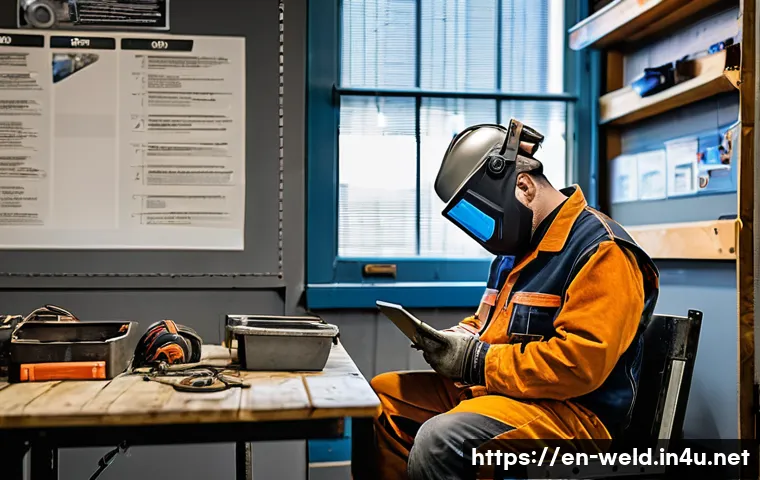
Embracing Automation and Robotics
The rise of robotic welding is reshaping the industry. At first, I was skeptical, fearing machines might replace welders, but I found that learning to program and operate robotic welders actually expanded my job options.
Automation handles repetitive tasks, freeing skilled welders for more complex work. Training in these technologies makes you future-proof and positions you as a valuable hybrid operator.
Using Digital Tools for Precision and Efficiency
New digital tools, like welding simulators and augmented reality glasses, are becoming more common. I got hands-on with a welding simulator recently, and it dramatically improved my technique without wasting materials.
These tools accelerate learning and help maintain high standards on the job. Adopting such tech not only sharpens your skills but also signals to employers your commitment to innovation.
Continuously Updating Technical Knowledge
Technology evolves fast, and welding codes and standards update regularly. Staying informed through trade journals, online courses, and manufacturer seminars keeps you ahead.
I subscribe to a few newsletters and follow key industry influencers on social media, which helps me spot emerging trends early. This proactive approach has saved me from being blindsided by changes that could affect my workflow or compliance.
Work-Life Balance and Mental Well-being in Welding
Recognizing the Physical and Mental Demands
Welding is tough—not just physically but mentally too. Long hours in awkward positions, exposure to heat and fumes, and the pressure of precision can wear you down.
I had to learn the hard way to listen to my body and take breaks before fatigue compromised my safety or quality. Mental health matters just as much; stress management techniques like mindfulness or hobbies outside work have helped me stay balanced.
Developing Healthy Habits On and Off the Job
Simple changes like proper stretching before shifts, staying hydrated, and using ergonomic gear have made a huge difference in my endurance. Outside of work, regular exercise and good sleep routines keep me sharp.
Welding might not be a desk job, but neglecting your overall health makes the tough physical demands even harder. Prioritizing wellness is an investment in career longevity.
Building Support Systems and Community
Having people who understand the unique challenges of welding is invaluable. Whether it’s family, friends, or fellow welders, sharing experiences reduces isolation.
I joined an online welding community where we swap stories, troubleshoot problems, and celebrate wins. Knowing you’re not alone in the grind makes the hard days easier and motivates you to keep pushing forward.
Career Planning Tools and Resources
Utilizing Career Development Plans
A clear career roadmap helps keep you focused and motivated. I created a plan outlining my short-term goals like earning specific certifications, and long-term ones such as moving into supervisory roles.
Revisiting and adjusting this plan regularly ensures I stay on track despite industry shifts. Writing down your goals and steps makes the abstract future feel tangible and manageable.
Accessing Training and Apprenticeship Programs
Apprenticeships remain one of the best ways to gain hands-on experience while earning. Even if you’re past that stage, ongoing training programs can fill skill gaps or introduce new techniques.
I found that employers who support continued education often offer tuition reimbursement or flexible schedules. Don’t hesitate to ask about these benefits—they’re real career boosters.
Tracking Progress with Professional Portfolios
Keeping a portfolio of your work—photos, certifications, project summaries—makes job applications and promotions smoother. When I updated my portfolio before an interview, I noticed how it sparked conversation and demonstrated my value clearly.
Digital portfolios are easy to maintain and share, and they create a personal brand that sets you apart from other candidates.
| Career Aspect | Key Focus | Benefits | Recommended Actions |
|---|---|---|---|
| Certifications | Obtain and renew relevant AWS and specialty certifications | Increased job opportunities and credibility | Schedule regular exams and skill refreshers |
| Networking | Build connections with peers, mentors, and industry groups | Access to job leads and insider knowledge | Join unions, attend events, engage online |
| Job Selection | Evaluate roles for growth, pay, and benefits | Career advancement and financial stability | Research companies, negotiate offers carefully |
| Financial Planning | Manage income fluctuations and savings | Long-term security and stress reduction | Create budgets, explore side income options |
| Technology | Learn automation, digital tools, and new standards | Future-proof skills and job relevance | Attend workshops, subscribe to updates |
| Well-being | Maintain physical and mental health | Increased productivity and career longevity | Practice safety, exercise, build support systems |
| Career Development | Use planning tools and maintain portfolios | Clear goals and strong professional presence | Create roadmaps, document achievements |
글을 마치며
Building a successful welding career takes more than just technical skills—it requires continuous learning, strategic networking, and thoughtful career planning. Staying adaptable to new technologies and prioritizing safety and well-being will keep you competitive and healthy in the long run. Remember, your growth as a welder is a journey shaped by the choices you make every day. Embrace each step with confidence and curiosity.
알아두면 쓸모 있는 정보
1. Regularly renewing your welding certifications ensures you remain qualified for the best job opportunities and stay compliant with industry standards.
2. Expanding your welding techniques beyond your comfort zone can open doors to specialized industries and higher-paying projects.
3. Active participation in industry groups and online communities can connect you with mentors and job leads you won’t find elsewhere.
4. Managing your finances wisely, especially with irregular income, helps build security and reduces stress during slower work periods.
5. Embracing new welding technologies and tools not only improves your efficiency but also signals your commitment to innovation to employers.
핵심 포인트 요약
To thrive as a welder, focus on obtaining and maintaining relevant certifications that boost your credibility. Build strong networks through unions, mentors, and online platforms to access hidden opportunities. Choose jobs that offer growth, not just higher pay, and plan your finances to handle the trade’s variable income. Stay updated on technological advances to future-proof your skills, and prioritize your physical and mental health for a sustainable career. Using career development tools like portfolios and clear goals will keep you on track and ready for advancement.
Frequently Asked Questions (FAQ) 📖
Q: How can I keep my welding certifications up to date to remain competitive in the industry?
A: Staying current with welding certifications is crucial because industry standards and technologies evolve rapidly. I found that regularly enrolling in refresher courses and specialized training sessions helps a lot.
Many employers appreciate welders who proactively renew their certifications, such as AWS (American Welding Society) credentials. Additionally, subscribing to industry newsletters and joining professional groups can alert you to upcoming certification changes or new qualifications worth pursuing.
This ongoing commitment not only keeps your skills sharp but also signals to employers that you’re serious about your career.
Q: What are some effective ways to gain hands-on experience and improve my welding techniques?
A: From my experience, nothing beats on-the-job learning combined with targeted practice. Volunteering for diverse projects at work or seeking apprenticeships can expose you to different welding methods and materials.
I also recommend setting up a small practice area at home if possible, where you can experiment with techniques like TIG, MIG, or stick welding. Attending workshops or trade shows is another great way to learn directly from experts and pick up tips that you won’t find in textbooks.
Consistent practice paired with feedback from seasoned welders accelerates your skill development significantly.
Q: How important is networking within the welding community, and how can it impact my career growth?
A: Networking is often underestimated but it’s a game-changer in the welding world. I’ve seen firsthand how connections made through trade associations, online forums, or local welding clubs can open doors to better job opportunities and mentorship.
When you build relationships with other professionals, you get insider knowledge about job openings, industry trends, and new technologies. Plus, having a strong network can provide support during tough times or when you’re looking to switch specialties.
Make it a point to attend industry events, engage on social media groups, and stay connected with colleagues — it truly pays off in the long run.