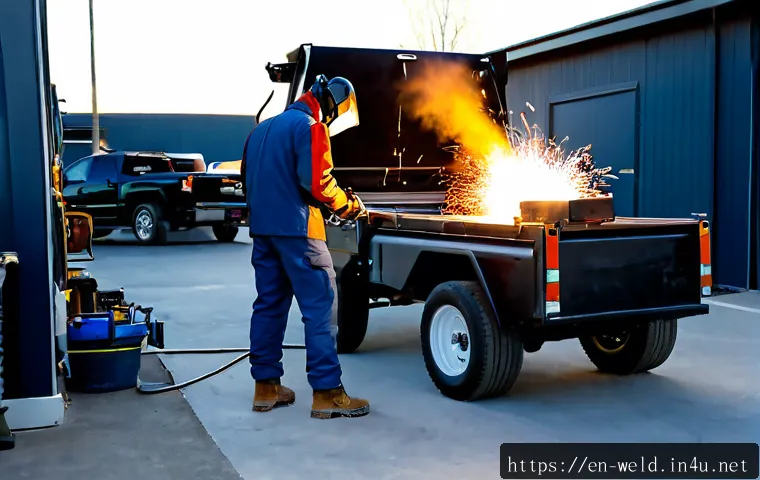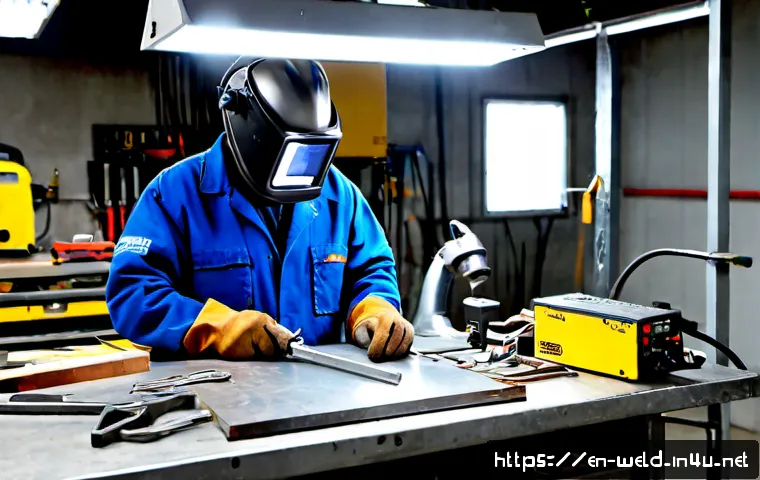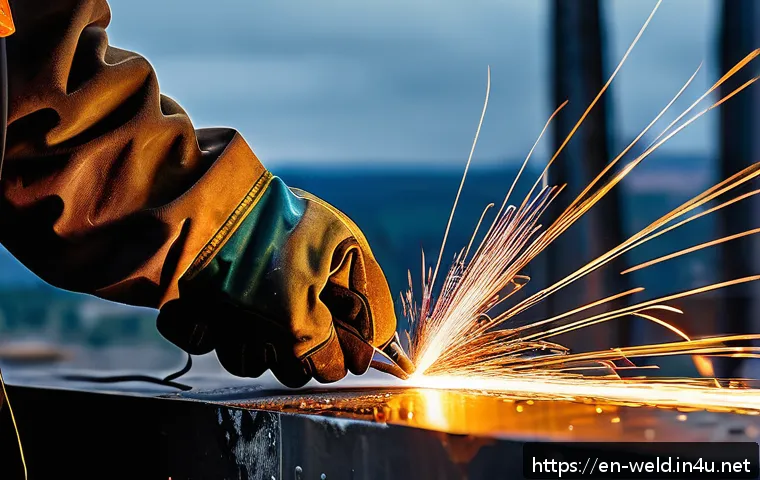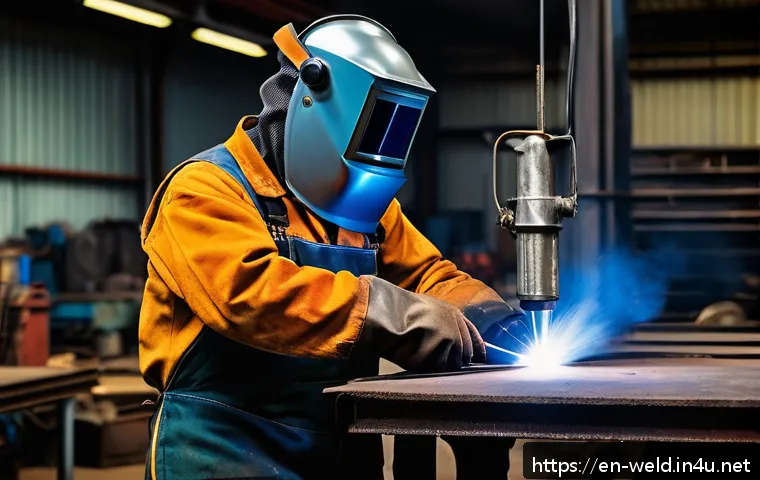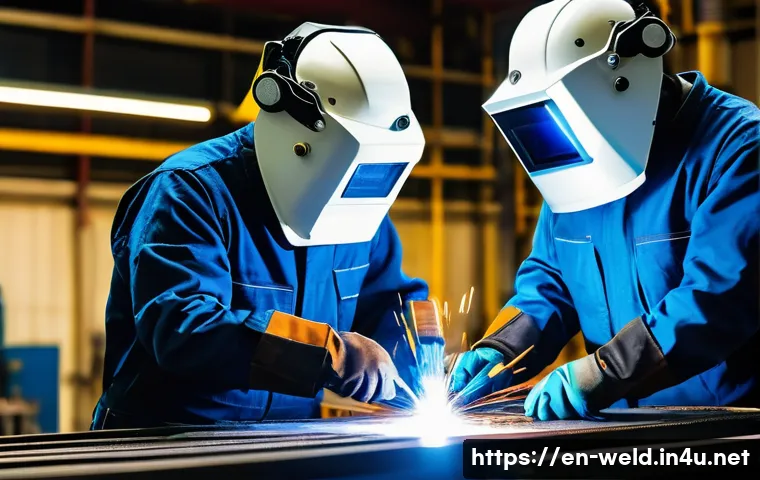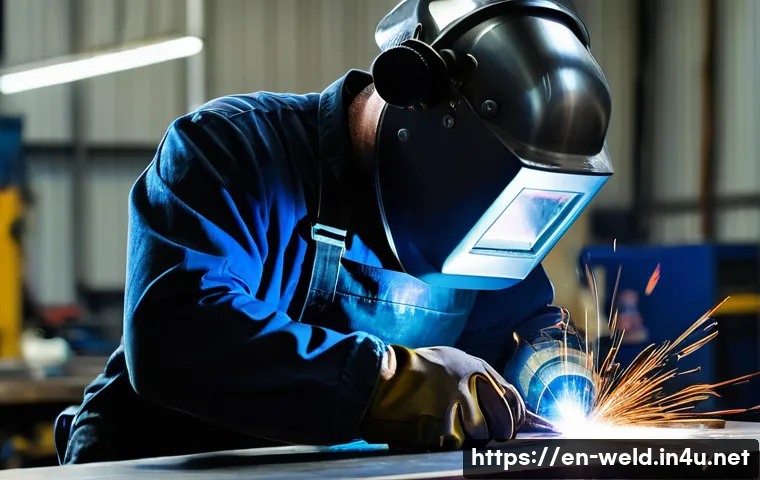
Mastering welding theory is essential for anyone looking to excel in the field, whether you’re a beginner or aiming to sharpen your skills. Understanding the fundamental principles behind welding processes not only improves technique but also ensures safety and efficiency on the job.
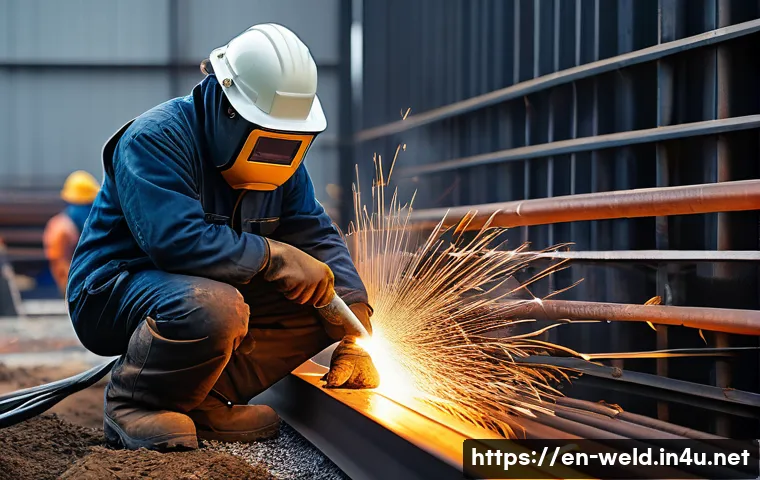
From the types of welds to the science of heat and material behavior, diving into the theory lays a strong foundation for practical success. Having personally studied and applied these concepts, I can attest to how much it boosts confidence and precision in real-world welding.
Let’s explore the key strategies and insights that make learning welding theory both effective and engaging. Get ready to uncover the essentials in detail below!
Understanding the Different Welding Techniques and Their Applications
Exploring Common Welding Methods
Welding isn’t just one uniform process; it’s a collection of techniques, each with its own strengths and ideal use cases. From Shielded Metal Arc Welding (SMAW) to Gas Tungsten Arc Welding (GTAW), understanding the basics of each method helps you choose the right approach for the job.
For example, SMAW, often known as stick welding, is versatile and great for outdoor or heavy-duty work, while GTAW, or TIG welding, offers precision and cleaner welds, perfect for thinner metals or artistic projects.
When I first got my hands on TIG, it felt like unlocking a new level of control that stick welding couldn’t offer. Knowing these differences is crucial for both safety and quality.
Choosing the Right Technique for Materials
Not all metals are created equal, and neither are their welding requirements. Steel, aluminum, and stainless steel all respond differently to heat and filler materials.
For instance, aluminum demands a higher heat input and often requires TIG welding for best results because of its high thermal conductivity. When I worked on a bike frame restoration, switching from MIG to TIG welding made a huge difference in the durability and appearance of the joints.
This kind of hands-on trial really cements your understanding of how technique and material interplay.
When to Use Automated vs. Manual Welding
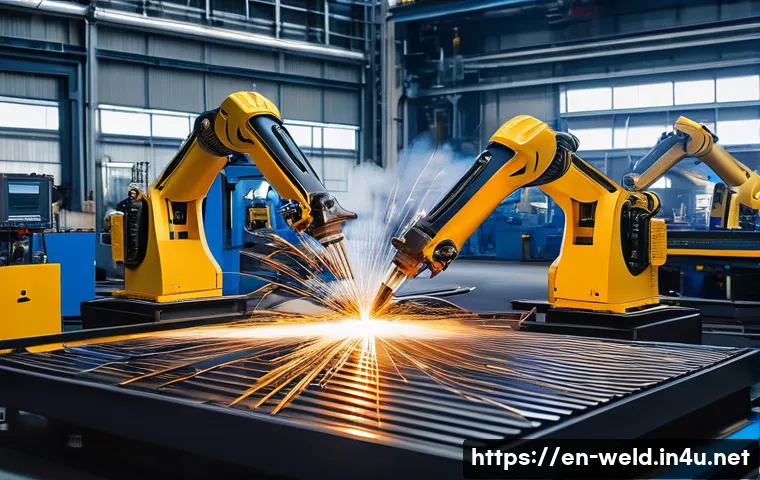
Automation in welding has revolutionized industries by increasing speed and consistency, but manual welding still holds significant value. Robotic welding excels in repetitive tasks, like automotive manufacturing, where precision and speed are king.
However, manual welding shines in custom or repair work where flexibility and human judgment are necessary. I’ve noticed that even in highly automated plants, skilled welders are essential to troubleshoot or handle specialized tasks.
Recognizing when to rely on automation versus manual skill is part of mastering welding theory.
Heat Management and Metallurgy in Welding
The Science Behind Heat Input and Distribution
Heat management is the backbone of successful welding. Too much heat can warp the metal or weaken the joint, while too little heat might lead to incomplete fusion.
When I was practicing welding on thin sheet metals, I quickly learned that controlling the heat input by adjusting amperage and travel speed made all the difference.
This balance ensures proper penetration without burning through the workpiece. It’s like cooking: you want the heat just right to get the perfect result.
Understanding the Heat-Affected Zone (HAZ)
The Heat-Affected Zone is the area around the weld that experiences thermal cycles but doesn’t melt. This zone is critical because its metallurgical properties can change, sometimes making it more brittle or prone to cracking.
When I first encountered cracks in a weld, I traced the problem back to improper cooling rates affecting the HAZ. Learning to control cooling, sometimes by preheating or post-weld heat treatment, can prevent such issues and improve joint integrity.
How Alloy Composition Influences Welding Behavior
Different alloys react differently to welding due to their chemical makeup. For example, high-carbon steels are prone to cracking if cooled too quickly, while stainless steels require careful control of heat input to avoid sensitization and corrosion.
When I worked on a project involving duplex stainless steel, I had to adjust the welding parameters to avoid compromising corrosion resistance. This deep dive into metallurgy enhances your ability to predict and manage welding outcomes.
Mastering Welding Symbols and Blueprint Reading
Decoding Welding Symbols on Blueprints
Welding symbols on blueprints are like a secret language every welder must learn. They convey essential information about the type of weld, size, length, and other specifications.
When I started interpreting these symbols accurately, my efficiency on the job skyrocketed because I could prepare materials and set up machines without constant back-and-forth.
For example, understanding the difference between a fillet weld symbol and a groove weld symbol saves time and prevents costly mistakes.
Interpreting Joint Designs and Fit-Up Requirements
Blueprints also specify joint types—like butt, lap, or T-joints—and how parts must fit before welding. Proper fit-up is vital for weld quality and structural integrity.
I remember a time when poor fit-up caused excessive gaps, leading to weak welds and rework. Learning to recognize and correct fit-up issues before welding has been a game-changer in my projects, reducing frustration and improving final product strength.
Using Blueprints to Estimate Material and Time
Beyond guiding the weld itself, blueprints help estimate the amount of filler material and welding time required. This skill is crucial for budgeting and project planning.
I’ve found that accurate estimates based on blueprint reading help prevent material shortages or overruns, keeping projects on track. Mastering this aspect supports better communication with clients and supervisors, adding to your professional credibility.
Safety Principles Rooted in Welding Theory
Understanding Fumes and Ventilation Needs
Welding produces hazardous fumes and gases, and knowing their nature is part of welding theory that directly impacts safety. When I first started welding indoors without proper ventilation, I felt dizzy and realized just how important it is to control the environment.
Different welding processes generate various fumes; for example, flux-cored arc welding tends to produce more smoke than TIG. Recognizing this helps you implement the right ventilation strategies, from local exhaust systems to respirators.
Proper Use of Protective Gear Based on Welding Process
Choosing the right personal protective equipment (PPE) isn’t one-size-fits-all. The type of welding process, intensity of light, and type of metal all influence what gear you need.
For instance, TIG welding requires a different shade of helmet lens compared to MIG welding because of the arc’s brightness. From gloves to aprons, understanding why each piece of equipment is necessary helps you stay safe and comfortable.
I remember once underestimating the need for proper gloves and ended up with painful burns—lesson learned the hard way!
Electrical Safety and Grounding Basics
Since welding involves high currents, electrical safety is paramount. Welding theory covers the principles of grounding and insulation to prevent shocks or fires.
Early in my career, I witnessed a near-miss incident caused by faulty grounding, which taught me to always double-check connections and cables. This knowledge not only protects you but also those around you, making it a critical part of professional welding practice.
Practical Tips for Retaining Welding Theory Knowledge
Active Learning Through Hands-On Practice
Theory alone can feel dry, but pairing it with hands-on practice makes concepts stick. When I first tackled welding theory, I set aside time to weld small projects immediately after studying each principle.
This combination helped me internalize heat control and joint preparation much faster than reading alone. The feedback loop of trying, making mistakes, and correcting them is invaluable in mastering welding.
Using Visual Aids and Interactive Resources
Visual learning tools like diagrams, videos, and simulation software can clarify complex topics like arc physics or metallurgical changes. I found that watching slow-motion welding videos helped me understand electrode angles and travel speeds better than text descriptions.
Supplementing study with interactive resources keeps engagement high and accelerates comprehension.
Joining Welding Communities and Forums
Learning from others’ experiences is a powerful way to deepen your understanding. Online forums and local welding clubs provide opportunities to ask questions, share insights, and get feedback.
I’ve gained practical tips and troubleshooting advice that no textbook offered just by engaging with these communities. Plus, explaining what you’ve learned to others reinforces your own knowledge.
Comparison of Welding Methods and Their Key Characteristics
| Welding Method | Best For | Advantages | Challenges | Typical Applications |
|---|---|---|---|---|
| Shielded Metal Arc Welding (SMAW) | Outdoor, heavy steel structures | Portable, versatile, low cost | Slower, slag removal needed | Construction, pipelines |
| Gas Tungsten Arc Welding (GTAW/TIG) | Thin metals, precision work | High-quality welds, clean finish | Requires skill, slower process | Aerospace, automotive, art |
| Gas Metal Arc Welding (GMAW/MIG) | Production, medium-thick metals | Fast, easy to learn | Less effective outdoors | Manufacturing, automotive repair |
| Flux-Cored Arc Welding (FCAW) | Thick metals, outdoor | High deposition rate, portable | More smoke, requires cleanup | Shipbuilding, heavy equipment |
Common Welding Defects and Their Theoretical Causes
Porosity and Its Origins
Porosity appears as small holes or voids in the weld caused by trapped gas. This often happens due to contaminated metal surfaces or improper shielding gas flow.
I remember encountering porosity in my early projects and learning that cleaning the base metal thoroughly and adjusting gas settings prevented most of these defects.
Understanding this makes troubleshooting more straightforward.
Cracking: Types and Prevention
Weld cracking can be a deal-breaker for structural integrity. Hot cracks happen during solidification, while cold cracks occur after cooling. Both are influenced by factors like metal composition, cooling rate, and welding technique.
When I worked with high-carbon steel, slow cooling and preheating helped avoid cold cracks, reinforcing how theory guides practical safeguards.
Lack of Fusion and Incomplete Penetration
When the weld metal fails to fuse properly with the base metal, strength is compromised. This usually results from insufficient heat or incorrect welding angle.
I’ve found that adjusting travel speed and electrode position prevents these issues, which theory clearly outlines. Spotting these defects early saves time and costly repairs later.
Advanced Concepts: Metallurgical Transformations and Post-Weld Treatments
Phase Changes in Welded Metals
During welding, metals undergo phase transformations that affect hardness, ductility, and strength. For example, rapid cooling of steel can form martensite, a hard but brittle phase.
I’ve seen how controlling cooling rates through preheat or interpass temperature management can produce a more balanced microstructure, making welds tougher and less prone to cracking.
The Role of Post-Weld Heat Treatment (PWHT)
PWHT is used to relieve residual stresses and improve toughness. Applying controlled heating after welding can reduce brittleness and prevent cracking.
On a recent project involving pressure vessels, implementing PWHT was crucial for meeting safety standards and extending service life. The theory behind PWHT helps explain why it’s necessary and how to apply it correctly.
Stress Relieving Techniques and Their Practical Use
Aside from heat treatment, mechanical stress relieving methods like vibratory stress relief can also be effective. I experimented with these techniques in fabrication workshops and found them useful when heat treatment wasn’t feasible.
Knowing these options adds versatility to your welding skill set and helps ensure long-term weld reliability.
Conclusion
Welding is a complex craft that blends science, skill, and experience. Understanding the various techniques, materials, and safety measures empowers welders to produce high-quality, reliable results. Whether you’re a beginner or seasoned professional, continually honing your knowledge and hands-on skills makes all the difference. Embracing both theory and practice leads to safer work environments and stronger welds.
Useful Information to Keep in Mind
1. Different welding methods suit specific materials and project types—choosing the right one saves time and improves quality.
2. Proper heat management and understanding metallurgical effects prevent common defects like cracking and porosity.
3. Mastering blueprint reading and welding symbols streamlines preparation and ensures accurate welds.
4. Safety is paramount: adequate ventilation, correct PPE, and electrical precautions protect welders from hazards.
5. Engaging in active learning, using visual tools, and joining welding communities accelerates skill development and problem-solving.
Key Takeaways
Welding success hinges on selecting appropriate techniques aligned with the material and application, managing heat input carefully, and interpreting blueprints accurately. Safety practices tailored to each welding process minimize risks. Practical experience combined with theoretical knowledge is essential for identifying and preventing defects. Post-weld treatments and stress-relief methods enhance durability and performance. Continuous learning and community engagement are invaluable for mastering this dynamic field.
Frequently Asked Questions (FAQ) 📖
Q: Why is understanding welding theory important before practicing welding?
A: Grasping welding theory is crucial because it lays the groundwork for safe and effective welding. Knowing how different metals react to heat, the types of welds, and the proper use of equipment helps prevent costly mistakes and accidents.
From my own experience, diving into theory first made my hands-on work more confident and precise, reducing trial-and-error and boosting efficiency on the job.
Q: What are the most common welding processes I should learn as a beginner?
A: As a beginner, it’s best to start with fundamental processes like Shielded Metal Arc Welding (SMAW), Gas Metal Arc Welding (GMAW or MIG), and Gas Tungsten Arc Welding (GTAW or TIG).
These cover a broad range of materials and applications. Understanding the theory behind each—like how the arc forms, shielding gases protect the weld, and heat affects the metal—makes it easier to master the practical skills later on.
Q: How does mastering welding theory improve safety during welding operations?
A: Welding involves high heat, intense light, and potentially hazardous fumes, so knowing the theory helps you anticipate and mitigate risks. For instance, understanding how heat affects metal can prevent warping or cracking, and knowing about proper ventilation reduces exposure to harmful gases.
Personally, learning the theory first made me much more aware of safety protocols, which kept me and my coworkers out of harm’s way during projects.