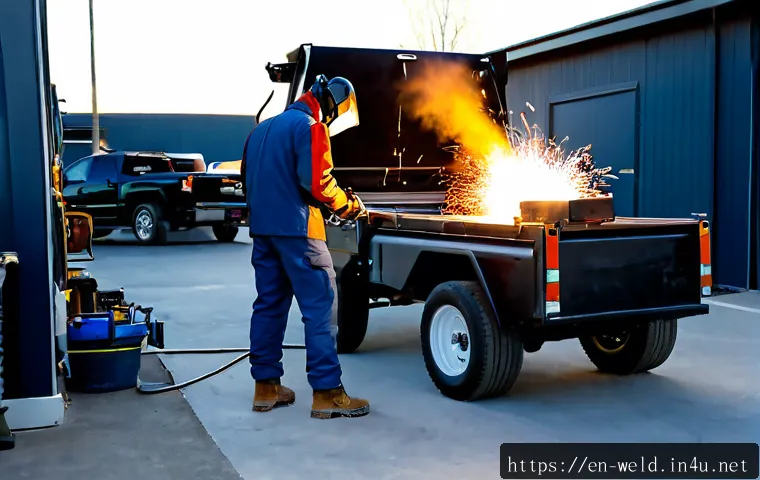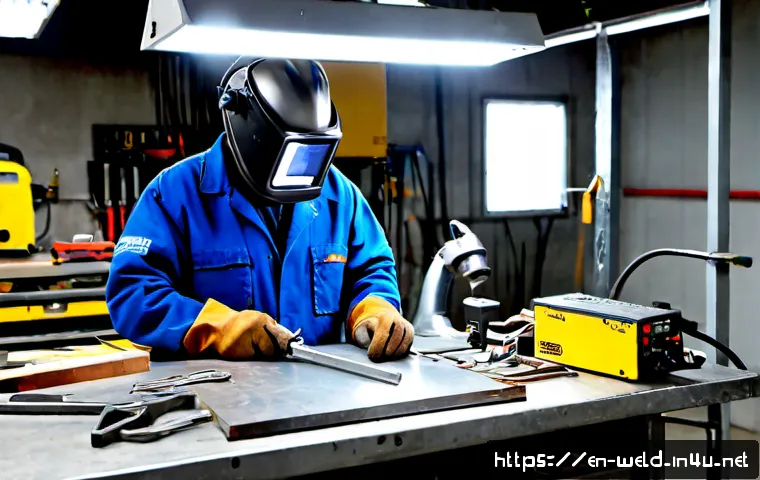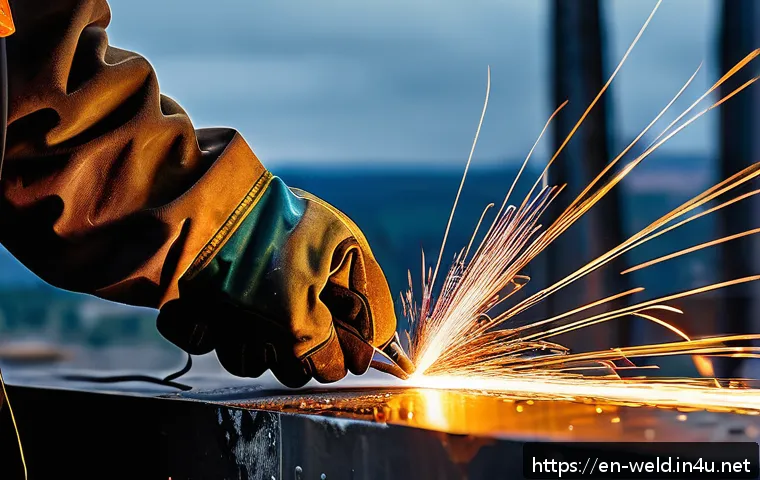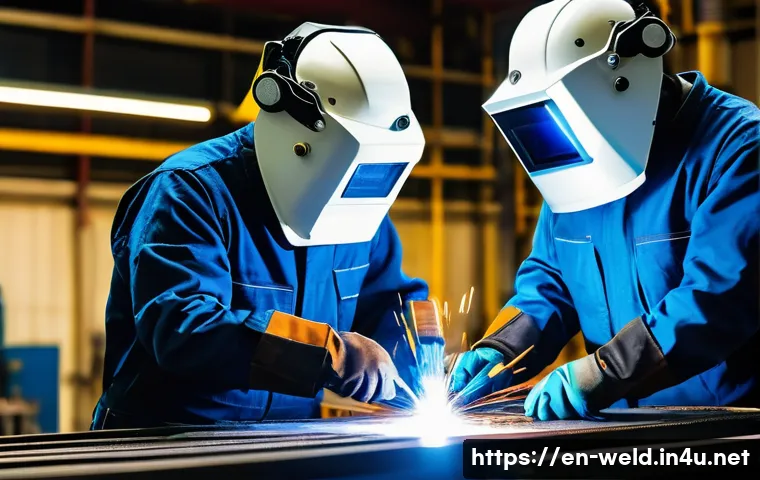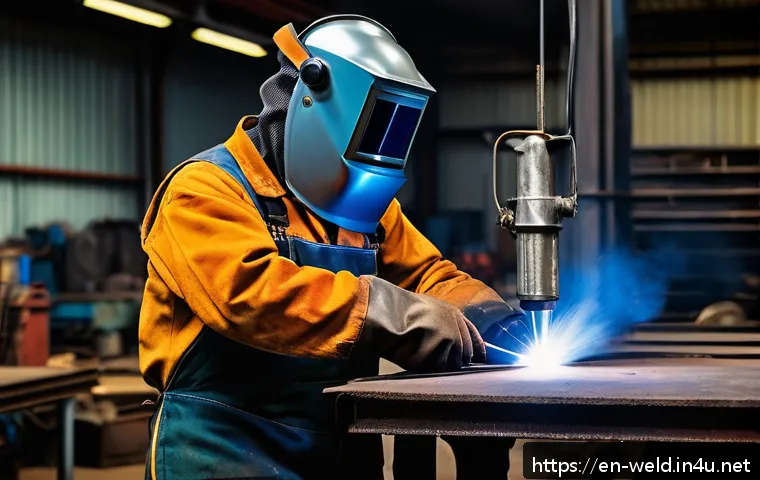
In today’s fast-paced construction and manufacturing industries, welding remains one of the most hazardous yet essential tasks. Recent reports highlight a surge in welding-related injuries, reminding us why safety gear isn’t just a recommendation—it’s a must.
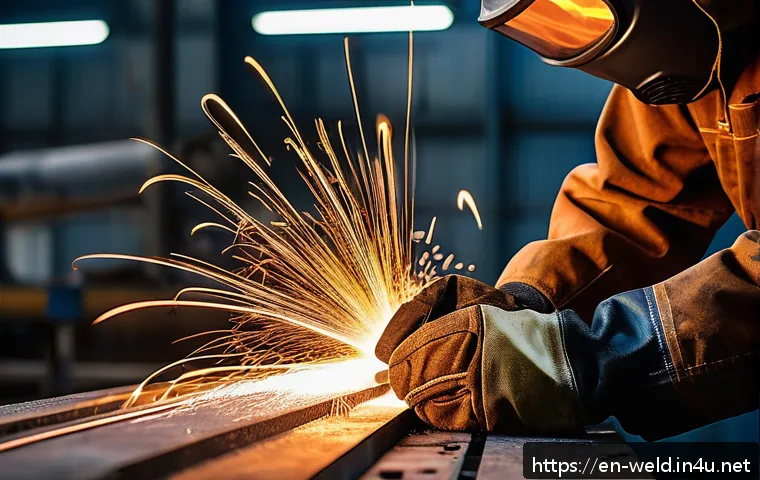
Whether you’re a seasoned professional or a weekend hobbyist, understanding the critical role of protective equipment can literally save your life. Let’s dive into why prioritizing safety gear isn’t just about compliance but about preserving your health and future.
Stick around—this insight could change how you approach every weld.
Understanding the Hidden Risks Every Welder Faces
Invisible Hazards Beyond the Flame
When you think of welding dangers, the first things that pop into mind are sparks and burns. But, trust me, the risks run way deeper than just the visible flames.
For instance, welding fumes are a silent threat. I’ve seen colleagues underestimate how toxic these fumes can be until they started experiencing respiratory issues.
These fumes contain metals and gases that can cause everything from mild irritation to severe lung diseases over time. And it’s not just the fumes — the intense UV radiation emitted during welding can sneakily damage your eyes and skin, sometimes without immediate pain.
Protecting yourself means understanding these less obvious risks and taking proactive steps.
Why Cutting Corners on Safety is a Shortcut to Trouble
I’ve been on job sites where workers skip safety gear because it feels cumbersome or slows the pace. But here’s the thing — neglecting safety equipment is like gambling with your health and future.
One quick mistake can lead to injuries that put you out of work for weeks or even permanently. From burns and eye injuries to chronic lung problems, the consequences are real.
What’s worse is that some injuries don’t show symptoms immediately, so you might not realize the damage until it’s too late. Having seen several accidents up close, I can say that it’s not worth risking just a few minutes saved by skipping protective gear.
Recognizing Your Workplace’s Unique Safety Challenges
Every welding environment is unique, and so are the hazards. Whether you’re working indoors with limited ventilation or outside exposed to the elements, your safety needs will differ.
For example, indoor welding can increase fume concentration, requiring more advanced respiratory protection. On the other hand, outdoor welders might face additional risks from weather conditions affecting their gear’s effectiveness.
Even the type of metal you’re welding can affect the kind of fumes produced and the level of protection needed. I always recommend assessing the specific risks at your site and tailoring your safety gear accordingly rather than relying on a one-size-fits-all approach.
Choosing the Right Gear for Maximum Protection
How to Pick a Welding Helmet That Works for You
Finding the perfect welding helmet can be tricky because it’s not just about shielding your eyes—it’s about comfort, visibility, and long-term wearability.
When I first switched to an auto-darkening helmet, it was a game-changer. No more flipping the visor up and down constantly. Look for helmets that offer adjustable shade settings to match different welding processes and brightness levels.
Also, consider helmets with good ventilation and lightweight designs; wearing a heavy, hot helmet all day can be exhausting. Don’t forget to check if the helmet covers your entire face and neck area — sparks can fly unpredictably.
Gloves and Clothing: Your First Line of Defense
Welding gloves and protective clothing do more than keep you comfortable—they’re your armor. I’ve experienced firsthand how a quality pair of gloves can prevent painful burns and cuts.
When shopping, go for gloves made of thick leather with reinforced palms and fingers for dexterity and durability. Your clothes should be flame-resistant and cover every inch of exposed skin.
Synthetic fabrics like polyester can melt onto your skin, so natural fibers like cotton or specially designed welding jackets are safer choices. Remember, even a small spark landing on unprotected skin can cause serious injury.
Respirators and Ventilation: Breathing Easy on the Job
One of the biggest mistakes I see is welders ignoring respiratory protection because they feel “fine.” But the truth is, those fumes can accumulate in your lungs over years without obvious symptoms.
Using a proper respirator with the right filters is crucial, especially in confined spaces. Portable ventilation systems or local exhaust ventilation can also dramatically reduce airborne contaminants.
When I started insisting on respirators during indoor welding, I noticed less fatigue and fewer respiratory complaints from my team. Your lungs will thank you in the long run.
Maintaining and Inspecting Your Safety Equipment Regularly
Routine Checks to Avoid Equipment Failure
Even the best safety gear fails if it’s damaged or not maintained. I learned this the hard way when a worn-out helmet lens led to a nasty eye injury. Make it a habit to inspect all your gear before each use—check for cracks, wear, and proper fit.
Helmets should have clean lenses without scratches that can distort vision. Gloves and clothing should be free of holes or thinning areas. Respirators need filter replacements and seal checks to ensure they’re functioning properly.
A quick pre-job check can prevent major accidents.
Cleaning and Storage Tips for Longevity
Proper care extends your gear’s life and keeps it performing at its best. After a long day of welding, I always clean my helmet and gloves to remove dust, dirt, and sweat.
Use mild soap and water for most gear, avoiding harsh chemicals that can degrade materials. Store everything in a cool, dry place away from direct sunlight and chemicals.
Keeping your respirator filters sealed until use prevents them from clogging prematurely. Taking these small steps has saved me money and ensured my equipment works when I need it most.
When to Replace Your Safety Gear
Knowing when to retire gear is just as important as choosing it. I’ve seen people cling to old gloves or helmets because “they still look fine,” but subtle damage can compromise protection.
If you notice cracks, discoloration, loss of flexibility, or if the gear no longer fits properly, it’s time to replace it. Respirator filters have manufacturer-recommended lifespans, and ignoring those can expose you to harmful fumes.
Investing in new gear might seem costly, but it’s a small price for your safety and peace of mind.
How Safety Practices Impact Your Efficiency and Confidence
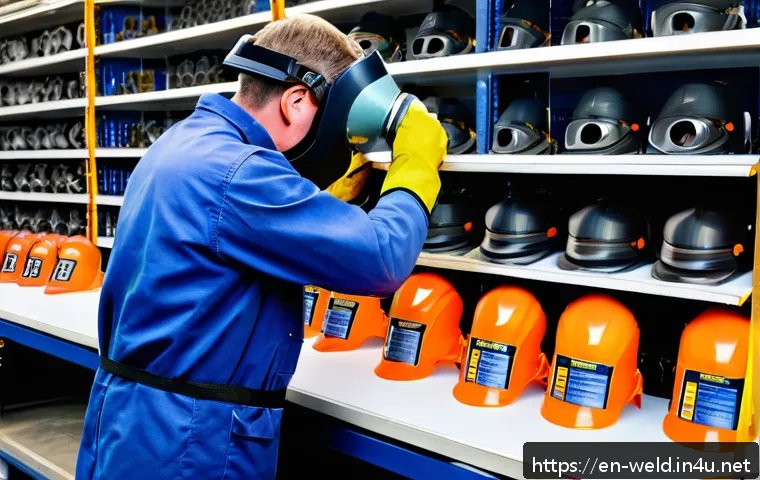
The Surprising Link Between Safety and Productivity
You might think safety slows you down, but in my experience, the opposite is true. When you feel fully protected, you can focus better and work with more confidence.
I’ve noticed that teams who rigorously follow safety protocols tend to complete projects faster because they avoid interruptions from accidents or injuries.
Plus, knowing you’re shielded from harm reduces stress and fatigue, which are productivity killers. Safety gear isn’t just protective—it’s a performance booster.
Building a Safety-First Mindset That Sticks
Creating habits around safety can be challenging, especially when you’re eager to finish a job quickly. I found that regular safety briefings and sharing personal stories about near-misses help keep everyone alert and invested.
When safety becomes part of your culture, it’s no longer a chore but a shared responsibility. Encouraging open communication about hazards and near-accidents fosters trust and continuous improvement.
Over time, this mindset pays off by reducing injuries and creating a more supportive work environment.
How Proper Training Enhances Gear Usage
Even the best equipment is useless if you don’t know how to use it correctly. I remember when a new hire struggled with his respirator because he hadn’t been trained properly.
Providing hands-on training and refresher courses ensures everyone understands how to wear, adjust, and maintain their gear. This not only improves safety but also empowers workers to take ownership of their protection.
When I lead training sessions, I always include practical demonstrations and real-life examples to make the lessons stick.
Comparing Common Types of Welding Protective Equipment
| Equipment | Purpose | Key Features | Typical Lifespan | Cost Range |
|---|---|---|---|---|
| Welding Helmet | Eye and face protection | Auto-darkening, adjustable shade, full face coverage | 2-5 years (depending on use) | $50 – $400 |
| Welding Gloves | Hand protection from heat and sparks | Leather, reinforced palms, heat resistant | 6 months – 1 year | $15 – $60 |
| Protective Clothing | Body protection from burns and UV | Flame-resistant cotton, jackets, aprons | 1-3 years | $30 – $150 |
| Respirators | Respiratory protection from fumes | Replaceable filters, adjustable fit, NIOSH certified | Filter life varies; mask 2-3 years | $20 – $200 |
| Ventilation Systems | Fume extraction | Portable or fixed units, adjustable airflow | 5+ years (with maintenance) | $200 – $2000+ |
Understanding Regulatory Standards and Their Practical Benefits
Why OSHA Regulations Matter More Than You Think
OSHA standards aren’t just bureaucratic red tape—they’re based on decades of research and real-world incidents. I’ve seen workplaces that ignore these rules face serious penalties and, more importantly, serious injuries.
Following OSHA guidelines ensures you’re meeting minimum safety requirements, but it also pushes you toward best practices that protect your team. Compliance can sometimes feel like a hassle, but it provides a solid framework to build your safety culture on and prevents costly downtime.
How Industry Certifications Elevate Safety Practices
Beyond regulations, certifications like ANSI, NIOSH, and AWS offer specialized safety benchmarks. For example, welding helmets certified by ANSI meet strict impact and optical clarity tests.
Respirators approved by NIOSH guarantee filtration efficiency. These certifications aren’t just labels—they’re assurances that your gear has been rigorously tested.
Investing in certified equipment might cost more upfront, but it’s a smart move to avoid failures that could lead to injuries or work stoppages.
Leveraging Safety Standards to Improve Insurance and Liability
Maintaining high safety standards can have a direct financial impact beyond just preventing injuries. Insurance companies often offer lower premiums to companies that demonstrate strong safety records and compliance with industry standards.
I’ve also noticed that well-documented safety programs reduce liability risks during claims or legal disputes. In other words, good safety isn’t just about protecting people—it’s about protecting your business and reputation too.
This holistic benefit makes safety gear and protocols an investment that pays off in multiple ways.
In Conclusion
Welding is a demanding profession that comes with hidden dangers beyond what meets the eye. Prioritizing safety by understanding risks and using proper protective gear isn’t just about compliance—it’s about preserving your health and career. With the right mindset and equipment, you can work confidently and efficiently while minimizing hazards. Remember, investing in safety is investing in your future.
Helpful Tips to Keep in Mind
1. Always inspect your welding gear before each use to catch any damage early and avoid accidents.
2. Choose protective equipment tailored to your specific work environment and welding materials.
3. Never underestimate the importance of respiratory protection, especially in confined or poorly ventilated spaces.
4. Incorporate regular safety training and share real experiences to build a strong safety culture.
5. Stay updated on industry standards and certifications to ensure your equipment offers reliable protection.
Key Takeaways
Understanding the invisible hazards welders face is essential for long-term health and safety. Cutting corners on protective gear can lead to severe consequences, some of which may not show symptoms right away. Tailoring safety measures to your specific workplace conditions improves effectiveness. Regular maintenance and timely replacement of equipment ensure ongoing protection. Lastly, embracing safety practices enhances productivity and confidence while safeguarding both workers and businesses.
Frequently Asked Questions (FAQ) 📖
Q: uestions about Welding Safety GearQ1: Why is wearing safety gear so important during welding?
A: Welding produces intense heat, sparks, and harmful ultraviolet and infrared rays that can cause severe burns, eye damage, and respiratory issues. Wearing proper safety gear—like helmets with auto-darkening lenses, flame-resistant gloves, and protective clothing—creates a barrier against these hazards.
From my experience, even a quick moment without protection can lead to painful injuries, so gear isn’t just a formality; it’s a lifesaver.
Q: What are the essential pieces of protective equipment every welder should use?
A: At minimum, every welder should use a welding helmet with the right shade filter, flame-resistant jacket or coveralls, welding gloves, and safety boots.
Respiratory protection is also crucial, especially when working in confined spaces or with certain metals. I’ve seen many newcomers underestimate gloves or jackets, but these prevent burns and long-term skin damage, so don’t skip them.
Q: How can I ensure my welding safety gear is effective and well-maintained?
A: Regular inspection is key—check helmets for cracks, lenses for scratches, and gloves for wear or holes. Replace any damaged gear immediately. Also, clean your equipment after each use to prevent buildup of contaminants.
I keep a dedicated spot for my gear and make it a habit to inspect before every job; this routine has helped me avoid many potential accidents. Remember, even the best gear won’t protect you if it’s compromised.