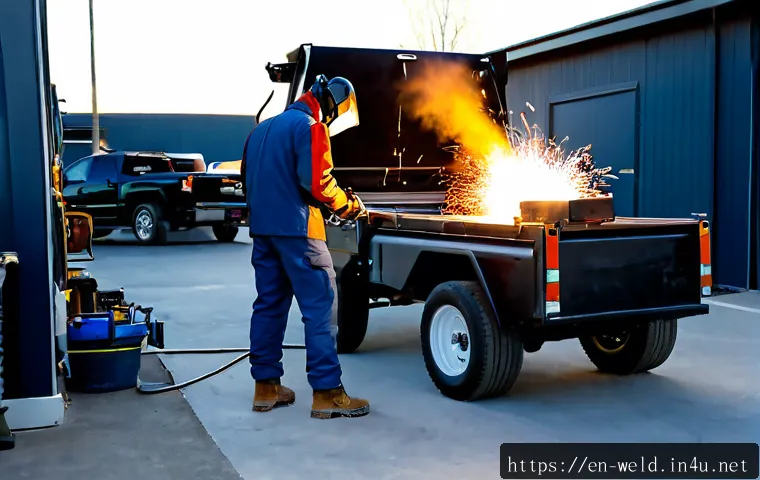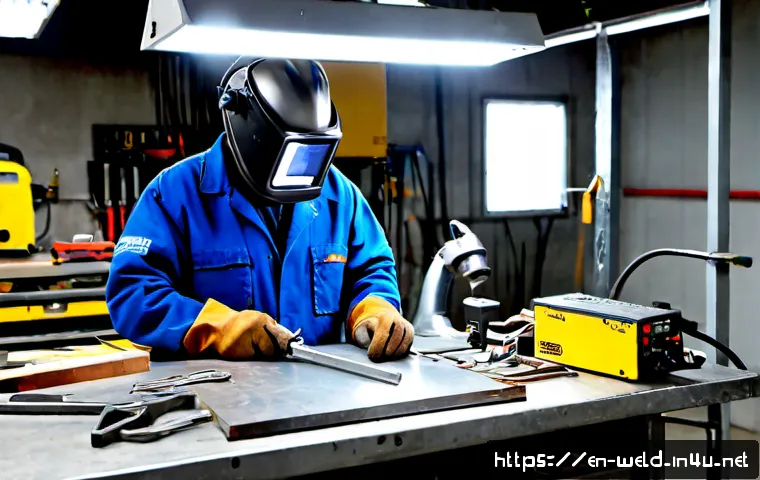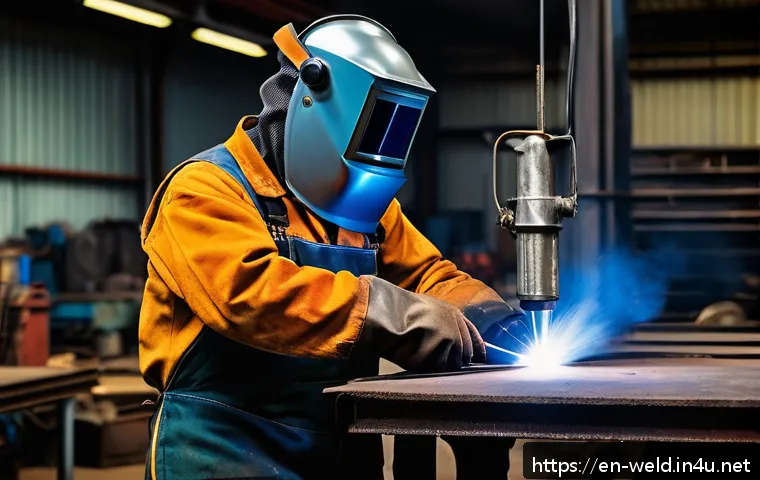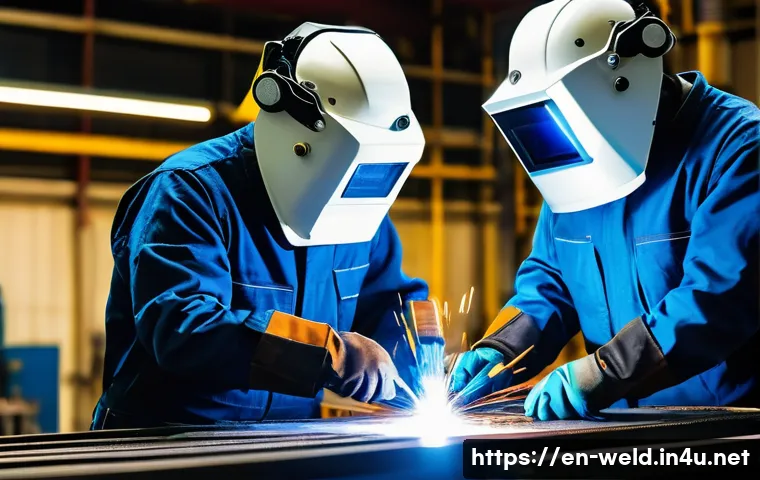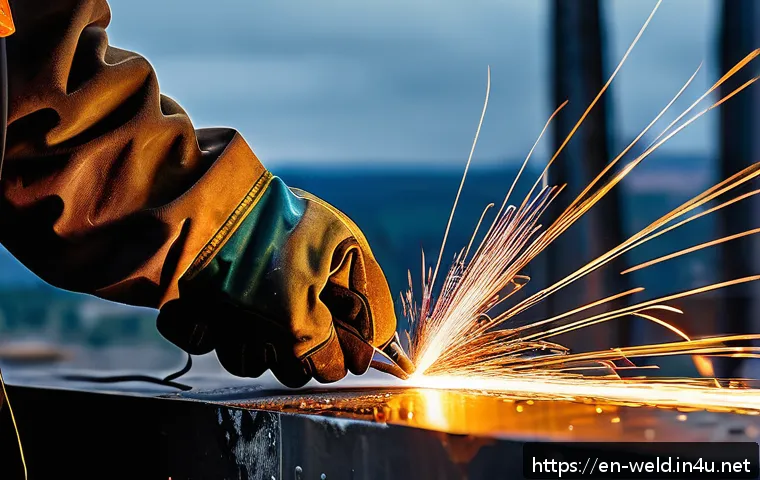
Welding projects are evolving faster than ever, with new materials and techniques reshaping the industry landscape. Whether you’re a seasoned welder or just starting out, choosing the right filler material can make or break your work’s strength and durability.
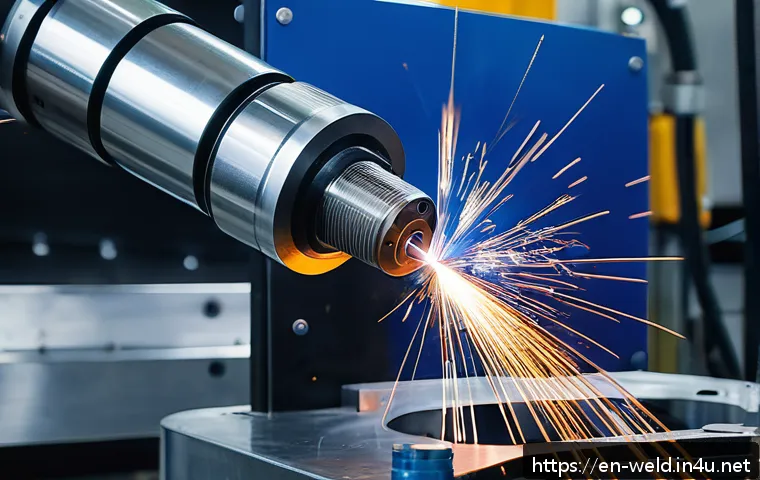
Lately, innovations in alloy compositions and welding technology have made this decision more critical—and more complex. In this post, I’ll walk you through the essentials of selecting the perfect filler for any project, sharing insights from my own hands-on experience.
Ready to unlock the secrets behind flawless welds? Let’s dive in and sharpen your skills together.
Decoding the Role of Filler Metals in Welding Quality
Understanding How Filler Metals Influence Weld Strength
Choosing the right filler metal isn’t just about compatibility; it directly impacts the strength and longevity of your weld. From my time working on structural steel projects, I noticed that even slight mismatches between filler metal and base metal could lead to cracks or premature failure.
Filler metals contribute to the weld’s mechanical properties by blending with the base metal, altering tensile strength, ductility, and corrosion resistance.
For instance, when welding stainless steel, using a filler with a similar chromium and nickel content ensures the weld resists rust just like the parent metal.
This harmony is crucial because it prevents weak spots that can undermine the entire structure. So, paying close attention to the chemical composition of your filler can save you from costly repairs down the line.
The Impact of Alloying Elements on Weld Performance
Alloying elements in filler metals, such as manganese, silicon, and molybdenum, serve specific purposes that fine-tune the weld’s characteristics. Silicon and manganese, for example, act as deoxidizers, cleaning the weld pool and preventing porosity.
Molybdenum enhances high-temperature strength and corrosion resistance, making it a favorite in pipelines or automotive applications. I recall a project where switching from a standard carbon steel filler to a molybdenum-enriched alloy made a noticeable difference in the weld’s endurance under heat stress.
This kind of insight is invaluable because it turns a good weld into a great one, especially in demanding environments.
When to Opt for Solid vs. Flux-Cored Wires
The choice between solid and flux-cored wires often confuses newcomers, but it boils down to the welding conditions and desired outcomes. Solid wires excel in clean, controlled environments where minimal slag is preferred, like in thin sheet metal fabrication.
Flux-cored wires, on the other hand, are robust performers outdoors or on dirty surfaces due to their slag shielding properties. Personally, on construction sites with variable weather, I lean towards flux-cored wires because they reduce the risk of contamination and porosity.
However, flux-cored wires can sometimes leave more cleanup work due to slag, so it’s a trade-off that’s worth considering depending on your project’s priorities.
Matching Filler Metals to Base Materials for Optimal Results
Steel Varieties and Their Ideal Filler Matches
Steel is a broad category with countless grades, and each demands a specific filler metal to maintain weld integrity. Carbon steels typically pair well with ER70S series fillers, which balance strength and ductility.
For low alloy steels, fillers with added alloying elements are necessary to match the base metal’s properties. For example, when working with A36 structural steel, I find ER70S-6 filler wire to be a reliable choice due to its consistent performance and availability.
High-strength low-alloy (HSLA) steels, used in heavy machinery or bridges, require fillers with similar alloy content to avoid brittleness. Selecting the wrong filler here can lead to welds that crack under stress—a risk you definitely want to avoid.
Aluminum Welding: Special Considerations
Aluminum’s oxide layer and high thermal conductivity make welding a unique challenge, especially when selecting filler materials. The 4xxx and 5xxx series fillers are the most common, with 4045 and 5356 alloys serving different purposes.
I’ve found 5356 filler particularly effective for outdoor repairs because it offers better corrosion resistance and strength, whereas 4045 is softer and better suited for thinner sheets.
Controlling heat input during welding is crucial; otherwise, the weld can become brittle or crack. In my experience, pre-cleaning and choosing the right filler not only improve weld quality but also reduce post-weld finishing time dramatically.
Filler Metals for Cast Iron and Exotic Metals
Cast iron and exotic metals like titanium or Inconel require specialized fillers to compensate for their unique properties. Cast iron fillers often contain nickel, which helps reduce cracking by accommodating iron’s brittleness.
When I worked on repairing a vintage cast iron pump housing, using a nickel-based filler wire made all the difference in avoiding weld failures. Exotic metals demand even more precise filler choices; for example, Inconel welding requires matching filler alloys to maintain high-temperature strength and corrosion resistance.
These specialized fillers are pricier and require more skill but are indispensable in aerospace or chemical processing industries.
Advanced Welding Techniques and Their Filler Requirements
Laser and Electron Beam Welding: Minimal Filler Use
With the rise of laser and electron beam welding, filler metals sometimes take a backseat because these processes often rely on melting the base metals alone.
However, when filler is used, it must be ultra-pure and precisely matched to avoid defects. I recently observed a laser welding demonstration where minimal filler was added to join thin stainless steel parts, resulting in a weld virtually free of distortion.
These techniques demand high precision and clean surfaces, making filler selection less about volume and more about quality and compatibility.
Hybrid Welding Processes and Filler Adaptations
Hybrid welding, which combines methods like laser and arc welding, opens new possibilities for filler metals. The filler material in these cases must accommodate the rapid heating and cooling cycles involved.
During a recent project involving hybrid laser-MIG welding, I noticed that using a filler metal with enhanced toughness helped prevent microcracks. These advanced processes call for filler wires designed with specific mechanical and thermal properties to complement the welding technique, pushing weld quality to new heights.
Robotic Welding and Consistency in Filler Feeding
Automated and robotic welding systems demand consistent filler wire feed and uniform properties. Variability in filler metal diameter or quality can cause weld defects or equipment malfunctions.
From overseeing a robotic welding cell installation, I can attest that selecting filler metals with tight manufacturing tolerances significantly reduces downtime and scrap rates.
Additionally, certain fillers designed for robotic use have coatings that minimize wire sticking and feeding issues, making the entire process smoother and more reliable.
Practical Tips for Selecting Fillers in Everyday Welding
Assessing Project Environment and Conditions
One of the first things I check before picking a filler metal is the environment where the welding will occur. Outdoor or windy conditions, for example, often require flux-cored wires or special shielding gases to protect the weld pool.
Conversely, indoor controlled environments allow for more flexibility with solid wires and gas mixtures. I recall a job where ignoring this consideration led to porosity issues that delayed the project by days.
Taking a moment to evaluate your workspace can save you from headaches and improve overall weld quality.
Balancing Cost and Performance
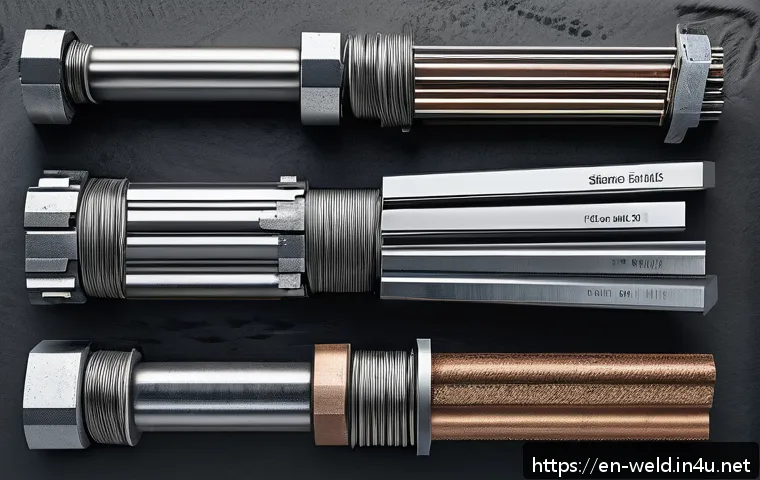
Filler metals come in a wide price range, and while it’s tempting to go for the cheapest option, this can backfire. In my experience, investing a little more in a high-quality filler metal often reduces rework and increases customer satisfaction.
For example, premium stainless steel filler wires tend to produce cleaner welds with less spatter, saving cleanup time. On the flip side, for non-critical applications or hobbyist projects, budget-friendly fillers can be perfectly adequate.
The key is knowing when the extra cost translates into real value.
Testing and Trial Runs for Confidence
Whenever possible, I recommend performing test welds with your chosen filler metal on scrap material. This practice helps reveal how the filler behaves under your specific welding settings and conditions.
During a recent project involving a new alloy, running several trial welds helped me adjust the heat input and wire feed speed, resulting in a flawless final weld.
Trial runs are a straightforward way to avoid surprises and ensure your filler choice will perform as expected in the field.
Common Filler Metals and Their Characteristics at a Glance
| Filler Metal Type | Common Base Metals | Key Features | Typical Applications | Advantages | Limitations |
|---|---|---|---|---|---|
| ER70S-6 (Solid Wire) | Carbon Steel | Good strength, easy to use | Structural steel, general fabrication | Affordable, widely available | Not ideal for high-temp or corrosion resistance |
| ER308L (Solid Wire) | Stainless Steel | Corrosion resistant, low carbon | Food processing, chemical plants | Reduces cracking, good weld appearance | More expensive, requires shielding gas |
| Flux-Cored Wire (E71T-1) | Carbon Steel | Self-shielding, good penetration | Outdoor welding, construction sites | Works in windy/dirty environments | Requires slag removal, more spatter |
| 4045 Aluminum | Aluminum Alloys | Good for thin sheets, softer welds | Automotive, HVAC | Excellent flow, easy to work with | Lower strength than 5356 |
| 5356 Aluminum | Aluminum Alloys | Higher strength, corrosion resistant | Marine, structural aluminum | Strong welds, good corrosion resistance | Can crack if overheated |
Recognizing Filler Metal Defects and How to Avoid Them
Porosity: Causes and Prevention
Porosity is a common filler metal-related defect that appears as tiny holes in the weld bead. It usually occurs due to trapped gas, often from moisture, contamination, or improper shielding gas coverage.
From my fieldwork, ensuring filler wires are dry and clean before use drastically reduces porosity. Also, maintaining proper gas flow and welding technique keeps the molten pool protected from atmospheric contamination.
Porosity weakens the weld and can lead to leaks or cracks, so catching this early is critical.
Cracking Issues Linked to Filler Selection
Cracking can be catastrophic, and filler metals play a big role in preventing or causing it. Using a filler with incompatible mechanical properties or improper preheat/postheat procedures can cause hot or cold cracking.
For example, when welding high-carbon steels, I’ve learned that using low hydrogen electrodes and preheating the base metal helps reduce cracking risk.
Proper filler choice combined with thermal control is your best defense against weld fractures.
Slag Inclusion and How to Minimize It
Slag inclusion happens when non-metallic solid material gets trapped inside the weld, often due to poor technique or wrong filler selection. Flux-cored wires, while convenient, require careful slag removal to avoid inclusion.
I always recommend cleaning between passes and using filler metals with slag systems compatible with the base metal. Taking these steps improves weld quality and reduces the chance of weak points forming in the structure.
Future Trends in Filler Metals and Welding Innovation
Emerging Alloy Compositions for Enhanced Performance
The welding industry is constantly evolving, and filler metals are no exception. New alloy compositions incorporating nano-particles or rare earth elements are being developed to boost weld strength and reduce defects.
I recently attended a seminar where a next-gen filler wire showed promising results in improving fatigue resistance for automotive frames. These innovations hint at a future where filler metals do more than just join metals—they actively enhance the welded joint’s performance and lifespan.
Environmentally Friendly Filler Materials
Sustainability is becoming a priority, and filler metal manufacturers are responding with eco-friendly options. These include lower emission wires and fillers made from recycled materials.
Using such fillers not only reduces your environmental footprint but can also improve workplace safety by reducing toxic fumes. In my shop, switching to greener filler metals has been a positive move for both health and compliance with stricter regulations.
Integration with Smart Welding Systems
Looking ahead, filler metals will increasingly integrate with smart welding technologies. Imagine filler wires embedded with micro-sensors that monitor temperature and composition in real time, giving welders instant feedback.
This kind of tech could revolutionize quality control and training, reducing errors and boosting efficiency. While still emerging, I’m excited about the potential to combine hands-on skills with smart tools to push welding quality to new heights.
Conclusion
Choosing the right filler metal is a critical step toward achieving strong, durable welds that stand the test of time. Through understanding material compatibility and welding conditions, welders can avoid common pitfalls and enhance overall quality. With ongoing innovations, the future of filler metals promises even greater performance and sustainability. Careful selection and testing remain the keys to successful welding outcomes.
Helpful Information to Know
1. Always consider the welding environment—outdoor or indoor conditions affect filler metal choice significantly.
2. Investing in higher-quality filler metals often saves time and money by reducing defects and rework.
3. Performing trial welds on scrap material helps identify the best filler for your specific project.
4. Proper storage and handling of filler metals prevent common defects like porosity and cracking.
5. Stay informed about emerging filler metal technologies that improve weld strength and environmental impact.
Key Takeaways
Selecting an appropriate filler metal requires matching its chemical and mechanical properties to the base material and welding process. Understanding alloying elements and their effects can elevate weld performance, especially in challenging conditions. Testing and adapting filler choices based on project requirements reduces defects and ensures structural integrity. Lastly, embracing new technologies and eco-friendly options can enhance both weld quality and workplace safety.
Frequently Asked Questions (FAQ) 📖
Q: uestionsQ1: How do I choose the right filler material for different metals in welding projects?
A: Selecting the right filler material largely depends on the base metals you’re joining and the intended use of the welded piece. For example, when welding mild steel, using a filler rod with a similar composition ensures strength and compatibility.
However, if you’re working with stainless steel, a filler with matching corrosion-resistant properties is essential. From my experience, matching the filler’s alloy to the base metals avoids issues like cracking or weak joints.
Also, consider factors like heat resistance and mechanical stress the weld will face. It’s always a good idea to check manufacturer guidelines or industry standards for specific alloys.
Q: What recent innovations in filler materials should welders be aware of?
A: Recently, advancements in alloy formulations have introduced fillers with enhanced strength, corrosion resistance, and flexibility. For instance, some modern fillers incorporate nano-particles or special alloy blends that improve weld toughness and reduce defects.
I’ve noticed that using these innovative fillers can make a huge difference in challenging environments, like marine or aerospace applications. Additionally, developments in flux-cored wires and solid wires designed for specific welding processes have improved ease of use and weld quality.
Staying updated with these trends helps you choose materials that save time and increase reliability.
Q: Can using the wrong filler material affect the durability of my weld?
A: Absolutely. Using an inappropriate filler can lead to serious problems such as weak welds, cracking, or even corrosion over time. I once had a project where the filler didn’t match the base metal’s composition, which caused the joint to fail under stress within weeks.
This experience taught me that filler compatibility isn’t just about chemical makeup but also about matching mechanical properties and thermal expansion rates.
Choosing the correct filler material ensures your weld will withstand the demands placed on it, ultimately protecting your work and reputation.