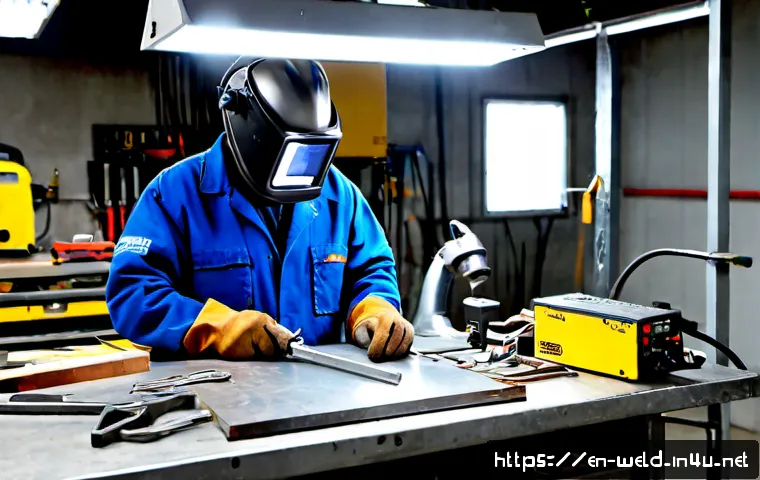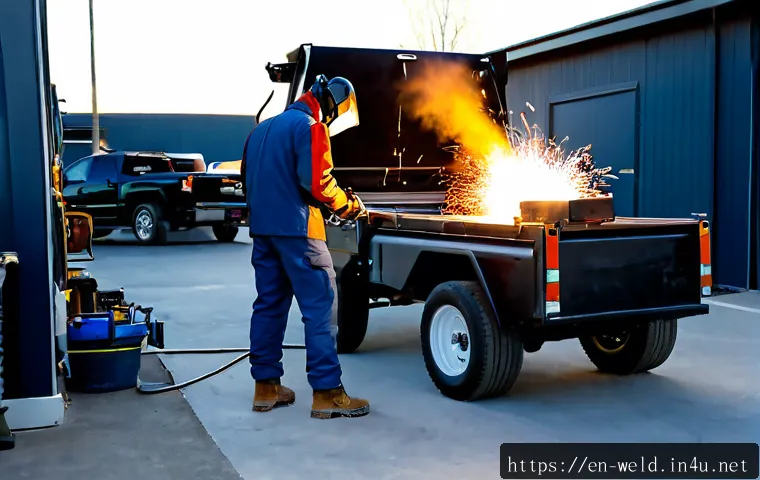
Starting a welding business is most practical when you begin with one defined service, a clear customer type, and equipment that matches the work you can safely perform.
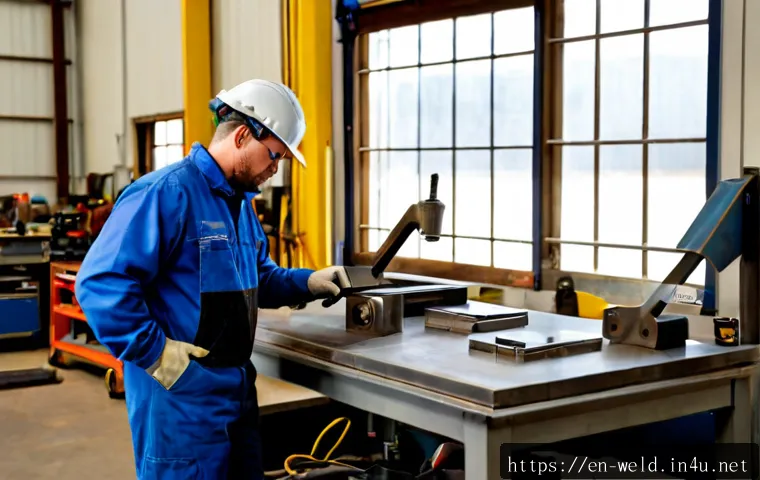
For many first-time owners, a mobile repair or subcontract welding model can limit fixed overhead, while a dedicated fabrication shop makes more sense only after demand supports the added space and operating commitments.
Your biggest buying decisions are usually the welding machine, vehicle or workspace, safety equipment, insurance coverage, and tools needed for the jobs you intend to quote.
Avoid building a business around equipment you want to own; build it around local work that customers already need. Before signing a lease, financing a truck, or accepting commercial work, verify the documentation, certification, permit, and insurance expectations for your location and project type.
A focused first-client plan can help you test profitable demand before expanding your services.
At a Glance
- Start with a service, not a shopping list: choose the repair, fabrication, or subcontract work you can reliably deliver.
- Mobile, home-shop, and commercial-shop models solve different problems: compare demand, travel, overhead, and job requirements before committing.
- Price the full job: labor alone is not enough; include travel, setup, materials, consumables, safety, insurance overhead, and rework risk.
| Business Model | Main Startup Cost Categories | Common Lead Sources | Ongoing Overhead | Best Fit for |
|---|---|---|---|---|
| Mobile welding | Vehicle, welding equipment, jobsite tools, storage, safety gear, insurance | Repair requests, contractors, property maintenance, farms, facilities | Fuel, vehicle maintenance, travel time, consumables, insurance | On-site repairs, maintenance work, small installations, urgent service calls |
| Home-shop fabrication | Shop tools, power capacity, storage, ventilation, safety equipment, local compliance | Local fabricators, homeowners, contractors, repeat custom work | Utilities, maintenance, consumables, insurance, material handling | Controlled fabrication, small batches, custom brackets, gates, and assemblies |
| Commercial shop | Lease, build-out, equipment, material handling, insurance, utilities, administration | Commercial contractors, industrial clients, fabrication overflow, larger accounts | Rent, utilities, payroll, compliance, equipment maintenance, insurance | Higher-volume fabrication and work requiring dedicated space or workflow |
Is a Welding Business a Practical First Business for You?
The short answer: it can be practical if you already have dependable welding skills and can define exactly what you will sell. Welding ability is essential, but it does not automatically create a workable service business. You also need a customer type, a realistic service area, a safe working process, and a way to quote jobs without losing money.
A useful starting question is: “What problem will a customer call me to solve?” The answer may be equipment repair, property maintenance, structural-related work within your verified qualifications, custom fabrication, installation support, or subcontract welding. A narrow answer is usually easier to market, equip, price, and insure than “I do all welding.”
Skills Alone Are Not Enough Without a Defined Service and Customer Type
Choose work that matches your process capabilities, equipment, and comfort level with the job conditions. A repair customer may value response time and travel availability. A contractor may care more about documentation, site rules, scheduling, and consistency. A fabrication customer may need drawings, material sourcing, finish requirements, and clear delivery expectations.
Define boundaries early. State the materials you handle, the work you do not accept, your travel area, the information required before an estimate, and whether site access or safety conditions can affect the quote. Clear boundaries help prevent unsuitable jobs from consuming time that could be spent on better leads.
Three Viable Starting Models: Mobile Repair, Fabrication Shop, and Subcontract Welding
Mobile welding is often attractive when customers need work completed at their location. It can suit repairs, maintenance, field modifications, and contractor support. The tradeoff is that travel, loading, site conditions, weather, vehicle reliability, and setup time all become part of the operation.
Home-shop fabrication may provide more control over workflow and fabrication quality, provided that local zoning, building, safety, and business requirements allow the activity. This model can fit projects that benefit from a stable workspace, but it should not be assumed that a home location is automatically permitted for commercial welding activity.
Subcontract welding can offer a lower-risk route to initial revenue because an established contractor or fabricator may already have project flow, procedures, and customer relationships. It does not remove the need to understand your contract terms, insurance obligations, certifications, and scope of work.
When Employment or Subcontracting May Be the Lower-Risk First Step
If you are unsure which service sells locally, employment or subcontract welding can reveal what customers and contractors repeatedly need. You can observe the equipment standards, site expectations, paperwork, scheduling pressure, and margins involved before committing to a vehicle, lease, or commercial equipment financing arrangement.
This route may also help you identify a stronger niche. For example, consistent overflow fabrication requests may point toward a shop-based future, while repeated calls for on-site equipment repair may support a mobile welding business. The goal is not to delay ownership indefinitely; it is to make a larger investment after demand is clearer.
Compare Mobile Welding, Home-Shop Fabrication, and Commercial Space
The right setup depends less on personal preference and more on the type of work available in your area. A mobile unit may be valuable where customers cannot transport damaged equipment. A fabrication workspace may be more useful where repeat custom work can be built efficiently off-site. A commercial shop may be justified when project volume, workflow needs, or client expectations outgrow a smaller setup.
Startup Cost Categories and Recurring Overhead
Build a budget by category instead of starting with a single equipment number. Major categories can include welding equipment, power requirements, hand tools, cutting and grinding tools, clamps and fixtures, storage, safety gear, consumables, vehicle needs, workspace needs, insurance, business registration, and estimating or invoicing software.
Then separate one-time purchases from recurring operating costs. Fuel, maintenance, insurance, consumables, rent, utilities, software, materials, and vehicle expenses can affect profitability long after the initial purchase. A lower monthly payment does not automatically mean lower operating cost.
Job Types, Customer Expectations, and Travel Demands
Mobile customers may expect you to arrive prepared, assess site conditions, and work around access limitations. That means the vehicle must carry more than a welding machine. It may need organized storage for leads, consumables, safety gear, tools, hardware, and job-specific equipment. It also needs a maintenance plan because vehicle downtime can stop the business.
Shop customers may expect clearer control over fabrication quality, materials, fit-up, and turnaround. However, a shop can introduce handling, storage, delivery, and workflow concerns. Before renting commercial space, consider whether your likely jobs need dedicated floor space, material storage, ventilation, customer pickup access, or equipment that cannot be used safely in a smaller environment.
How to Choose a Model Based on Local Demand Rather Than Equipment Preference
Talk with potential referral sources before buying major assets. Contractors, property maintenance providers, farms, equipment operators, industrial facilities, and local fabricators may reveal where gaps exist. Ask what work is difficult to source, what turnaround problems they face, and what requirements they expect from a welding vendor.
Do not treat casual interest as a signed job pipeline. Instead, look for repeated needs that match your skills. If multiple prospects need on-site repair but you prefer shop fabrication, the market signal deserves attention. Your preferred equipment setup should support a viable service, not replace customer research.
Build an Equipment, Vehicle, and Budget Plan Before You Buy
Buy equipment around the service you plan to sell first. A well-organized, capable setup for a narrow service can be more useful than a broad collection of equipment with no immediate job purpose. List each tool or asset beside the type of work it enables and the customer demand it serves.
Essential Tools for the Services You Plan to Sell
Your essentials depend on the welding processes, materials, thicknesses, locations, and project conditions you will handle. A practical list may include the welding machine appropriate for your intended work, leads and accessories, cutting and grinding tools, measuring and layout tools, clamps, basic material-handling solutions, personal protective equipment, fire-safety provisions, and storage for consumables.
For mobile work, add the equipment needed to operate safely and efficiently away from a shop. For fabrication work, consider how you will manage fit-up, material storage, cutting, finishing, and movement through the workspace. Each purchase should answer a specific question: “Will this help me complete the jobs I am actively pursuing?”
Buy, Finance, Rent, or Outsource: A Practical Decision Framework
Buy equipment when it supports recurring, predictable work and you can maintain it without disrupting operations. Commercial equipment financing may preserve cash for insurance, materials, vehicle repairs, or operating expenses, but compare the total financing cost, not only the scheduled payment.
Renting can make sense for occasional equipment needs, specialized project requirements, or short-term capacity gaps. Outsourcing can be appropriate when a job needs a process, machine, finish, or capacity you do not regularly use. Both approaches can help you quote profitable work without purchasing every capability immediately.
Before choosing a supplier or financing option, compare equipment warranties, service availability, parts support, required accessories, maintenance expectations, and the full ownership cost. Official product details and written financing terms are the right place to verify coverage and conditions before you commit.
Include Consumables, Maintenance, Safety Gear, and Downtime in Job Margins
Job margins are affected by more than weld time. Consumables, gas, abrasives, electrodes or wire, cutting accessories, equipment wear, cleanup, loading, and travel can add meaningful cost. Safety equipment must also be maintained and available for the conditions in which you work.
Plan for downtime. A damaged lead, unavailable consumable, vehicle issue, or equipment repair can delay a job and affect customer trust. You do not need to buy every backup item at launch, but you should know which failures would stop your most important service and how you would respond.

Set Up the Business Safely and Price Work Profitably
Business setup is not just a paperwork step. Registration, local permits, zoning, insurance, safety requirements, contract terms, and certification expectations can determine whether you are allowed and prepared to take a job. Requirements vary by state, city, project type, business structure, materials, code standards, and customer contract.
Verify Local Registration, Zoning, Permits, Insurance, and Contract Requirements
Confirm what applies before advertising a location-based welding service or accepting work at a customer site. If you plan to work from home, verify zoning and operating restrictions. If you plan to work on commercial, industrial, or contractor-managed sites, ask about insurance limits, site orientation, documentation, safety procedures, and certification requirements before quoting the work.
Liability insurance should be reviewed in relation to your actual services and client expectations. Some projects may require higher coverage, additional documentation, or specific contract terms. Do not assume that a policy suitable for one type of work is sufficient for every job. Review the details with a qualified insurance provider and read customer contract requirements carefully.
Create Estimates That Account for Labor, Travel, Materials, Setup, and Risk
A usable estimate starts with scope. Identify what will be repaired, fabricated, installed, supplied, or excluded. Then account for labor time, travel, mobilization, setup, materials, consumables, access conditions, cleanup, equipment use, and the administrative time required to schedule and document the work.
Include risk where appropriate. Unknown damage, poor access, weather exposure, customer-provided materials, incomplete drawings, and difficult fit-up can change a job quickly. If the scope cannot be confirmed from photos or a brief conversation, a site visit or a conditional estimate may be more responsible than a low fixed quote.
Use written estimates that make the scope understandable. State assumptions, exclusions, client responsibilities, change conditions, and how additional work will be handled. This protects both sides from the common problem of treating a small repair request as an unlimited project.
Avoid Common Early Mistakes: Underbidding, Accepting Unsuitable Jobs, and Skipping Documentation
Underbidding can feel like a way to win the first client, but it can create a pattern of unprofitable work and difficult referrals. A customer who chooses only on the lowest price may not value safe practices, clear scope, or professional documentation.
Do not accept work outside your confirmed abilities, available equipment, insurance scope, or certification requirements. Turning down an unsuitable job is often safer than attempting to solve it under pressure. Keep records of estimates, approvals, changes, invoices, client communications, and relevant project documentation.
Find Early Clients Without Competing Only on the Lowest Price
Early clients usually come from a focused network, not from trying to serve every possible customer. Your marketing should make it easy for the right customer to understand what you do, where you work, and what information you need to quote a job.
Target Work That Matches Your Capabilities
Potential early markets may include repair work, property maintenance, contractors, farms, industrial facilities, equipment operators, and fabrication shops with overflow needs. Select the groups that match your available tools, travel radius, safety readiness, and experience.
A contractor may need a dependable subcontract welding resource. A property manager may need recurring repairs. A local fabricator may need overflow support during busy periods. These are different buyer needs, so your message should be specific. “Mobile equipment repair within my service area” is clearer than a broad claim to handle every welding project.
Build a Simple Portfolio of Process Capabilities, Materials, and Completed Work
A simple portfolio can show the welding processes you use, materials you commonly handle, service boundaries, and examples of completed work where client permission has been obtained. Focus on accurate representation. Do not present a project as your work if your role was limited, and do not imply certifications or code compliance that you have not verified.
Good documentation also helps prospects provide better job details. Ask for photos, measurements, material information, location, site access details, schedule expectations, and a clear description of the problem. Better inputs lead to better estimates.
Use Service Boundaries and Clear Estimates to Qualify Better Leads
Clear service boundaries can improve lead quality. Explain whether you offer mobile work, shop pickup, emergency availability only when you genuinely provide it, material sourcing, installation, or subcontract support. State when an on-site assessment is needed and when work requires client-provided drawings or approval.
The goal is not to make the process difficult. It is to avoid spending unpaid time on leads that do not fit your business. A customer who understands the scope, timing, and estimate process is more likely to become a workable project than someone seeking an instant low price with incomplete information.
Selection Criteria and Comparison Summary
Before committing to a welding business model, check these decision points:
- Demand: Is there a recurring need for your specific repair, fabrication, or subcontract service?
- Travel radius: Can you serve the area profitably after fuel, travel time, and vehicle wear are considered?
- Capital available: Can you cover essential equipment and ongoing operating costs without relying on unconfirmed future work?
- Certification and documentation: Do your intended projects require qualifications, procedures, or client documents you do not yet have?
- Insurance and contracts: Does your coverage align with the work and clients you plan to accept?
- Expansion path: Can you validate one profitable service before adding a larger vehicle, more equipment, or commercial space?
Compare insurance limits, equipment warranties, vehicle options, and financing total cost before committing. Review official policy details, supplier warranty terms, and written financing conditions rather than choosing based on a monthly payment alone.
Closing Thoughts
A welding business does not need to begin as a full fabrication operation with every tool and a large facility. It needs a service that customers will pay for, a safe way to deliver it, and pricing that covers the real work involved. Start with the equipment and operating model that support your first reliable service. Expand when actual job demand, not optimism, supports the next investment.
Useful Information to Know
Keep a job review routine. After each completed project, compare the estimated labor, travel, materials, consumables, and setup time with what actually happened. This helps improve future estimates.
Document your service process. A repeatable intake checklist for photos, material details, location, access, and scope can reduce misunderstandings before you arrive on site.
Protect capacity for profitable work. A full schedule is not always a healthy schedule if the jobs consistently involve unpaid travel, unclear scope, or rework risk.
Important Considerations
Licensing, permits, zoning rules, tax obligations, insurance requirements, certification standards, and contract conditions vary by location, client, project type, and business structure. Equipment prices, vehicle costs, labor conditions, and financing terms also vary substantially by region and supplier. Verify current requirements with relevant local authorities, insurers, customers, suppliers, and qualified professional advisers before making business, legal, insurance, or financing decisions.
Frequently Asked Questions
Q1. How much money should I plan for when starting a mobile welding business?
A1. Start by listing the cost categories required for the services you will actually offer: vehicle needs, welding equipment, jobsite tools, safety gear, consumables, insurance, registration, maintenance, and operating reserves. The amount varies widely by region, whether you already own a suitable vehicle and equipment, and the type of work you pursue. Build the plan from your intended service rather than using a generic startup number.
Q2. Is it better to begin with mobile welding or rent a small fabrication shop?
A2. Mobile welding may be a better fit when local demand centers on repairs and on-site service. A small fabrication shop may fit repeat work that benefits from controlled fabrication, storage, and a stable workflow. Compare local demand, travel time, site conditions, zoning, lease obligations, utilities, insurance, and the job types you expect before choosing.
Q3. What insurance and certifications should a new welding business check before accepting commercial jobs?
A3. Check the client contract, project scope, materials, applicable code standards, site requirements, and local rules before accepting the job. Commercial clients may require specific insurance limits, certificates of insurance, safety documentation, or welding-related qualifications depending on the work. Compare insurance limits, equipment warranties, and financing total cost before committing, and confirm certification and coverage requirements directly with the client and your insurance provider.