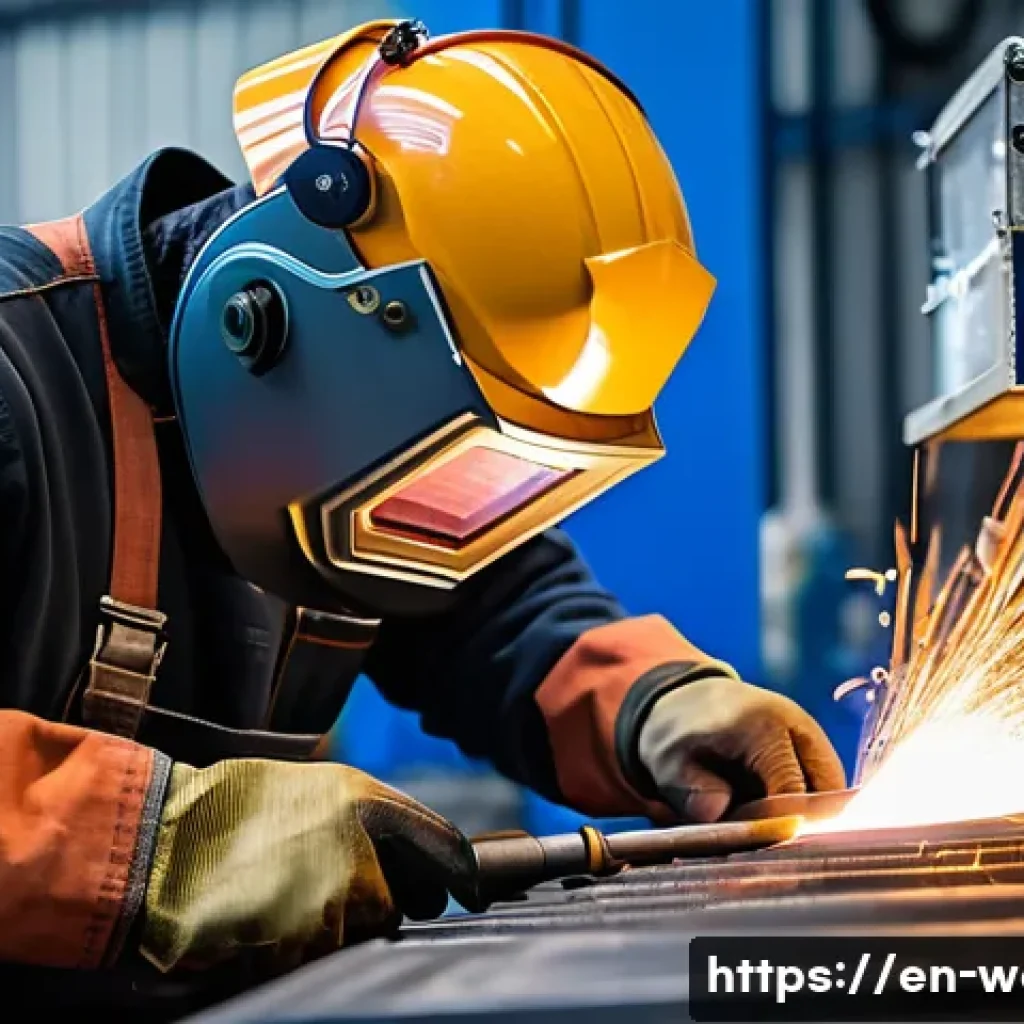
Negotiating your salary as a welder can feel like navigating a complex maze, especially when balancing skill level, experience, and market demand. Many welders overlook key factors that could significantly boost their earnings or end up settling for less than they deserve.
Understanding how to present your value confidently and knowing which points to emphasize can make all the difference. Plus, being aware of industry trends and typical compensation packages helps set realistic expectations.
If you want to make sure you’re not leaving money on the table during your next negotiation, you’ve come to the right place. Let’s dive into the essential tips and strategies to help you secure the best possible deal!
Mastering the Art of Timing Your Salary Discussion
Choosing the Right Moment During the Hiring Process
Knowing when to bring up salary is crucial. From my experience, jumping into salary talks too early can backfire, making you seem more interested in money than the job itself.
Typically, it’s best to wait until the employer initiates the conversation or after you’ve demonstrated your value in interviews. For welders, especially those with specialized certifications or unique skills, allowing the employer to recognize your worth before discussing pay can lead to better offers.
I’ve seen welders who waited patiently and showcased their expertise first, then negotiated confidently, landing higher wages than those who rushed the topic.
Recognizing Market Shifts and Seasonal Demand
Welding is often tied to industries like construction, manufacturing, or shipbuilding, which fluctuate with economic cycles and seasons. For instance, demand for welders can spike during major infrastructure projects or when industries ramp up production after slowdowns.
Timing your negotiation during these high-demand periods gives you leverage. I’ve personally timed salary discussions right after a big project announcement, and employers were more willing to increase offers to secure skilled welders quickly.
Keep an eye on local job boards and industry news to spot these windows.
Evaluating Your Current Employment Stage
If you’re already employed and considering a raise, the best time to negotiate is after a successful project or positive performance review. Bringing concrete achievements to the table, like completing complex welds ahead of schedule or improving safety standards, can significantly strengthen your case.
From what I’ve seen, welders who track their accomplishments and present them with confidence during reviews tend to secure better raises compared to vague requests.
Don’t hesitate to ask for feedback regularly so you can time your salary talks when your contributions are fresh in your employer’s mind.
Highlighting Your Unique Skills and Certifications
Understanding Which Certifications Matter Most
Not all welding certifications carry the same weight. For example, AWS (American Welding Society) certifications, such as Certified Welder (CW) or Certified Welding Inspector (CWI), are highly respected and often translate directly into higher pay.
I remember when I earned my CWI credential; it instantly opened doors to higher-paying gigs because employers recognized the added value. Highlighting these certifications during negotiation signals that you bring more than basic skills—you bring verified expertise that reduces their risk and increases quality.
Showcasing Specialized Welding Techniques
If you specialize in niche welding methods like TIG, MIG, or underwater welding, these skills can substantially impact your earning potential. Employers often pay a premium for welders who can handle specialized tasks that require precision and experience.
In my own career, emphasizing my proficiency in TIG welding for aerospace components led to a 15% salary bump because of the meticulous skill involved.
When negotiating, be sure to explain how your specialization benefits the company, such as reducing defects or speeding up project timelines.
Bringing Practical Experience Into the Conversation
Experience isn’t just about years on the job—it’s about the quality and complexity of work you’ve handled. I’ve found that sharing specific project stories during salary talks resonates more than simply stating your total years welded.
For instance, describing how you led a team on a challenging pipeline installation or resolved a tricky welding defect can demonstrate leadership and problem-solving skills.
These anecdotes help employers see you as a valuable asset worth investing in.
Understanding Regional Pay Variations and Industry Standards
Comparing Salaries Across Different Locations
Welding salaries can vary widely depending on where you work. Urban centers or regions with heavy industrial activity tend to offer higher wages compared to rural areas.
For example, welders in Texas or Alaska often earn more due to oil and gas industry demands, while those in less industrialized states might see lower pay.
When I relocated from a midwestern city to Houston, I noticed a substantial increase in my hourly rate simply because the market dictated it. Researching local wage averages before negotiation ensures your expectations align with regional norms.
Industry-Specific Pay Differences
Different industries value welding skills differently. Shipbuilding, aerospace, automotive manufacturing, and oil and gas all have distinct pay scales based on complexity, safety requirements, and demand.
I once negotiated a salary for a position in offshore oil rig welding and realized the premium was justified by the high-risk environment and technical demands.
Knowing which industries pay more can help you target your job search and salary requests effectively.
Utilizing Salary Data and Online Tools
Platforms like Glassdoor, PayScale, and the Bureau of Labor Statistics provide valuable insights into current welding salaries. I frequently use these tools to benchmark offers and understand what others in my area and specialty are earning.
Having these numbers handy during negotiation lends credibility and confidence to your requests. Always cross-reference multiple sources to get the most accurate picture of your market value.
Building Confidence Through Preparation and Communication
Crafting Your Value Proposition
Before stepping into any negotiation, prepare a clear statement of what you bring to the table. This includes your skills, certifications, experience, and any quantifiable achievements.
I like to write down bullet points highlighting how my work improves safety, efficiency, or quality. Practicing this pitch out loud helps me sound natural and assertive.
When you communicate your value clearly, employers are more likely to see you as worth the investment.
Handling Counteroffers and Pushback

It’s common to face hesitation or lower initial offers. Rather than accepting immediately, ask thoughtful questions like, “What would it take to reach a salary closer to my expectations?” or “Can we discuss additional benefits if the base pay is fixed?” I’ve found that keeping the tone collaborative rather than confrontational encourages employers to explore creative solutions.
Sometimes even small perks—like flexible hours or paid training—can make a big difference.
Practicing Negotiation Scenarios
Role-playing salary discussions with a friend or mentor can build confidence and reveal weak spots in your approach. When I prepared for a tough negotiation, practicing responses to common employer objections made me feel ready and less anxious.
Try to anticipate questions about your experience, salary history, or willingness to accept offers. The more familiar you are with the conversation flow, the more natural and effective your negotiation will be.
Leveraging Benefits and Perks Beyond Base Salary
Evaluating Total Compensation Packages
Salary is just one piece of the puzzle. Health insurance, retirement plans, overtime pay, bonuses, and paid time off can add significant value to your overall earnings.
In one negotiation, I accepted a slightly lower hourly rate because the employer offered a generous overtime policy and comprehensive health coverage.
When you calculate your total compensation, you might find you’re better off than the base salary alone suggests.
Negotiating for Non-Monetary Benefits
Sometimes companies can’t budge much on salary but may offer perks like flexible schedules, additional vacation days, or company-paid training. I once secured a welding certification course paid for by my employer by framing it as a win-win: it boosted my skills and ultimately benefited the company.
Don’t overlook these options—they can enhance your work-life balance and career growth.
Understanding Union Influence on Compensation
If you work in a unionized environment, wages and benefits are often set by collective bargaining agreements. Knowing the union rules and recent contract terms helps you understand what’s negotiable and what’s not.
In my experience, union welders sometimes have less individual salary negotiation power but gain from standardized benefits and protections. Being informed about your union’s stance can guide your expectations and strategy.
Tracking Your Progress and Planning Future Raises
Setting Realistic Salary Goals
It’s helpful to establish short-term and long-term salary targets based on your career path and industry trends. I recommend writing down achievable milestones like completing a certification or leading a project, then linking these to potential pay increases.
This structured approach makes your growth measurable and provides concrete reasons for future salary discussions.
Documenting Achievements and Feedback
Keep a record of your accomplishments, positive feedback, and any metrics related to your work quality or efficiency. When it’s time to ask for a raise, these documents act as proof of your value.
I’ve maintained a work journal over the years, and pulling specific examples from it during negotiations made my case much stronger and harder to dismiss.
Regularly Revisiting Your Market Value
Welding markets evolve, and so should your salary expectations. Checking salary data annually and comparing it to your current pay helps you stay informed.
If you notice your wages lagging behind market rates, it might be time to initiate a conversation or explore new opportunities. Being proactive rather than reactive keeps you ahead and prevents stagnation.
| Factor | Impact on Salary | Negotiation Tip |
|---|---|---|
| Certifications (AWS, CWI) | High – often adds 10-20% to base pay | Highlight during interviews and salary talks |
| Specialized Skills (TIG, underwater welding) | Moderate to High – niche skills command premiums | Provide examples of specialized projects |
| Location (Urban vs Rural) | Varies – urban/industrial areas pay more | Research local salary data before negotiating |
| Industry (Oil & Gas, Shipbuilding, Manufacturing) | Varies – hazardous or complex industries pay higher | Target high-paying sectors if possible |
| Experience Quality | High – complex project experience boosts value | Share detailed work stories and achievements |
| Benefits & Perks | Indirect – can add significant overall value | Consider total compensation, not just salary |
글을 마치며
Mastering the timing and approach to salary discussions can truly transform your career trajectory as a welder. By understanding when and how to negotiate, you increase your chances of securing fair compensation that reflects your skills and experience. Remember, preparation and clear communication are your strongest allies in these conversations. Approach each negotiation confidently, knowing you bring valuable expertise to the table.
알아두면 쓸모 있는 정보
1. Timing your salary discussion after proving your value in interviews or projects often leads to better offers.
2. Pay attention to industry demand cycles and local market trends to identify optimal negotiation periods.
3. Certifications like AWS or CWI significantly boost your earning potential and credibility.
4. Specialized welding skills such as TIG or underwater welding can command premium pay.
5. Consider total compensation—including benefits and perks—not just base salary when evaluating offers.
중요 사항 정리
Effectively negotiating your salary requires a strategic blend of timing, preparation, and market awareness. Highlight your certifications and specialized skills to showcase your unique value. Research regional and industry-specific pay scales to set realistic expectations. Always present concrete achievements during discussions and remain open to negotiating benefits beyond salary. Keeping track of your progress and revisiting your goals ensures ongoing growth and fair compensation throughout your welding career.
Frequently Asked Questions (FAQ) 📖
Q: How can I determine the right salary range to ask for as a welder?
A: The best way to figure out a fair salary range is by researching your local job market and industry standards. Websites like Glassdoor or Payscale provide valuable insights into what welders with similar experience and certifications are earning in your area.
Also, consider the type of welding you specialize in—certain skills like underwater or pipe welding tend to command higher pay. Don’t forget to factor in your own experience and any specialized certifications you hold.
When you have this data, you can confidently propose a salary that matches your value instead of guessing and potentially undervaluing yourself.
Q: What’s the most effective way to highlight my skills and experience during salary negotiations?
A: When negotiating, it’s crucial to clearly communicate your unique skills and achievements. Instead of just listing duties, share specific examples of challenging projects you’ve completed, any safety records you maintain, or cost-saving techniques you’ve implemented.
For instance, mentioning that you reduced welding defects by a certain percentage or successfully met tight deadlines under pressure can showcase your impact.
This concrete evidence makes it easier for employers to see why you deserve higher pay. I’ve found that preparing a short summary of your accomplishments before the conversation really boosts confidence and helps steer the negotiation in your favor.
Q: How do industry trends affect my salary expectations as a welder?
A: Welding demand fluctuates based on factors like construction booms, manufacturing needs, and technological advancements. Right now, there’s a growing need for welders skilled in automation and robotic welding, which often leads to better pay.
Additionally, geographic location matters; urban areas or regions with heavy industry typically offer higher wages than rural areas. Keeping an eye on these trends allows you to adjust your expectations realistically and target employers who value your particular skill set.
From my experience, staying informed about the market helps avoid settling for less and positions you to negotiate with confidence.