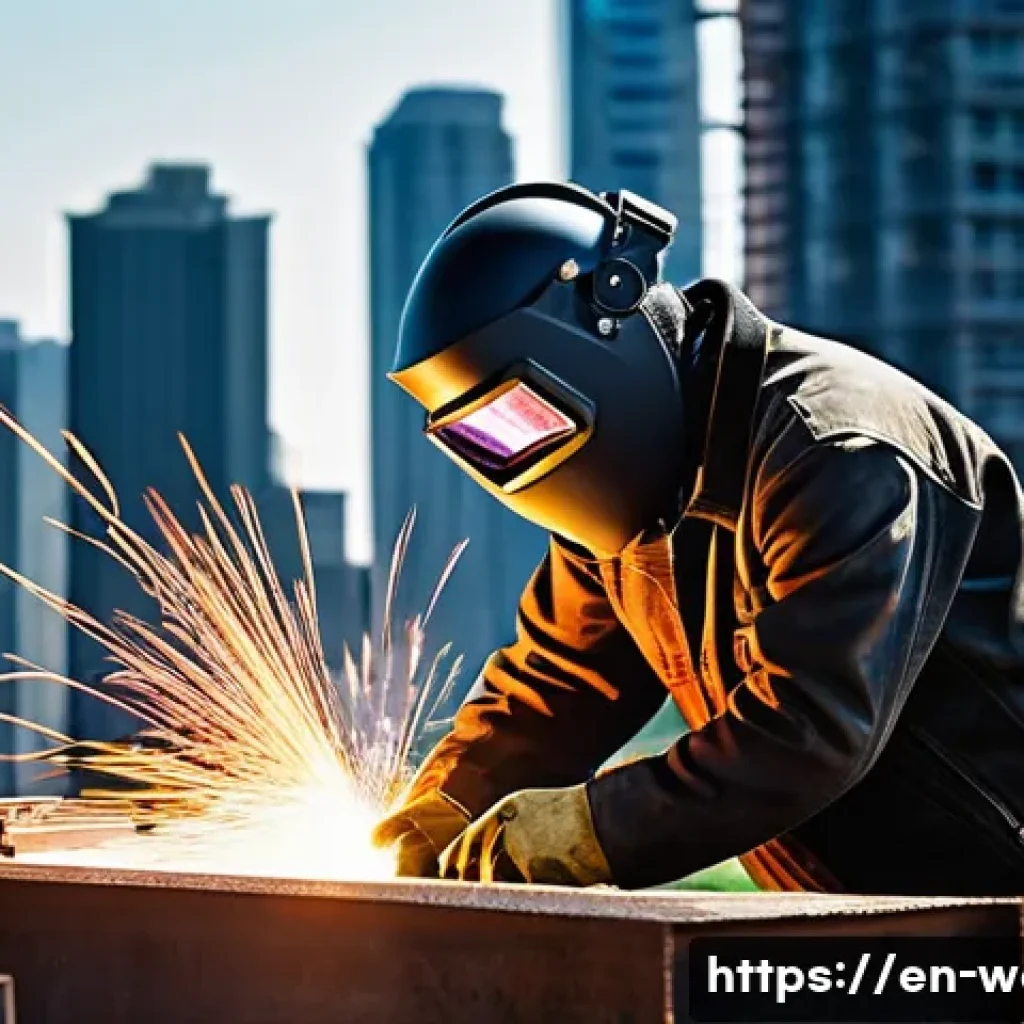
Hey there, future fabricators and curious minds! Have you ever caught yourself staring at a magnificent bridge or a towering skyscraper, wondering about the hands that crafted its skeletal strength?
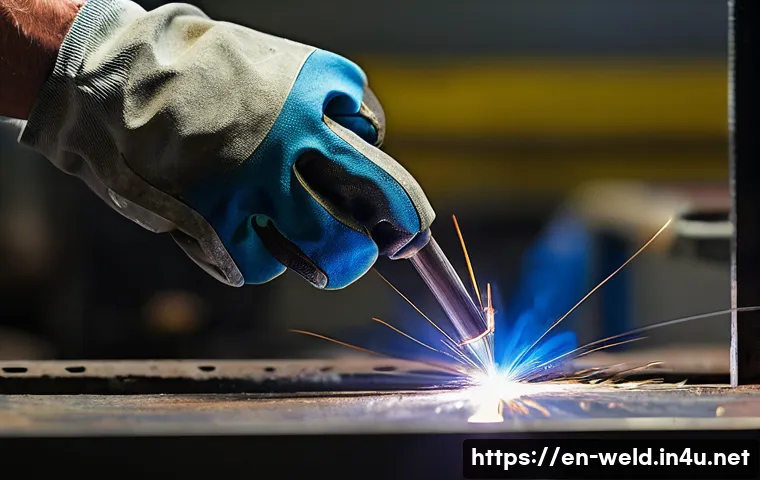
There’s a good chance a skilled welder was at the heart of that creation. It’s a career often shrouded in mystery, with sparks flying and heavy machinery humming, but let me tell you, it’s a world brimming with both incredible satisfaction and some tough realities.
From shaping the very infrastructure of our world to the intricate artistry of custom fabrication, welders are truly unsung heroes. But what does it *really* take to thrive in this demanding yet rewarding field?
You might be picturing hefty paychecks and constant demand, and while there’s definitely truth to that, it’s also a profession that asks a lot from you, both physically and mentally.
I’ve seen firsthand the dedication, the grit, and the sheer talent it takes to master the torch, and trust me, it’s not for the faint of heart. So, if you’re contemplating a dive into the world of welding, or just curious about what lies beneath the hood, you’re in the right place.
Let’s unmask the real deal about life as a welder and discover if this path sparks your interest. We’re going to dive deep into all the ins and outs, giving you the honest truth you need to know.
The Unseen Backbone of Our World: What Welders Truly Build
When you picture a welder, you might imagine someone in a dusty workshop, sparks flying as they join two pieces of metal. And sure, that’s a part of it, but it barely scratches the surface of what these incredible craftspeople truly accomplish. I’ve seen welders contribute to projects that literally hold our world together—from the colossal bridges spanning vast rivers and the awe-inspiring skyscrapers that pierce the clouds, to the intricate pipelines snaking across continents that bring us essential resources. Think about the infrastructure we rely on daily: the power plants generating electricity, the ships navigating oceans, even the cars we drive. Every single one has been touched by the precise, unwavering hand of a welder. They’re not just joining metal; they’re creating the very skeleton of modern civilization. It’s a career where your work is tangible, impactful, and often lasts for generations. I remember walking past a newly constructed high-rise downtown, and the sheer scale of it just made me stop and marvel. Knowing that skilled welders were absolutely critical at every stage of that building’s ascent, securing its framework with meticulous, strong welds, gave me such an appreciation for their unseen artistry. It’s truly a testament to their skill and dedication.
From Grand Structures to Tiny Details: The Breadth of Welding Applications
The beauty of welding lies in its incredible versatility. One day you might be working on massive structural steel for a stadium, and the next you could be meticulously joining delicate components for aerospace equipment. It’s a field where precision meets raw power. I’ve spoken with welders who’ve worked on everything from custom motorcycle frames, turning mere metal into rolling art, to vital components for medical devices where accuracy is not just important, but life-saving. The techniques and challenges vary wildly, keeping the work fresh and demanding. It’s never just one thing; the scope is truly immense, offering endless learning opportunities. You might find yourself doing TIG welding for fine, clean finishes, or MIG welding for speed and efficiency on larger projects. This variety is a huge draw for many, myself included, who thrive on new challenges and different applications of their craft.
The Everyday Impact: How Welders Shape Our Lives
Beyond the grand projects, welders also play a crucial role in the everyday items and services we take for granted. Your refrigerator, your car’s exhaust system, even the playground equipment your kids enjoy – all likely contain welded components. When a critical piece of machinery breaks down in a factory, often a skilled maintenance welder is called in to make a crucial repair, preventing costly downtime and keeping production flowing. I recall a friend who’s a pipefitter telling me about an emergency repair on a crucial water main. The pressure was immense, but his team’s welders performed under that stress, securing the leak and restoring service for thousands of homes. It’s a testament to the essential, often unsung, work they do that directly impacts our quality of life. Without their expertise, many of the conveniences and necessities of modern life would simply cease to function efficiently, or even exist.
More Than Just Sparks: The Skills That Forge a Master Welder
Alright, so we’ve established that welding is about building some seriously cool stuff. But what does it actually *take* to become proficient, let alone a master, in this field? It’s far more than just knowing how to strike an arc. I’ve seen aspiring welders come into the trade thinking it’s all brawn and no brains, and they quickly learn otherwise. The most successful welders I know possess a unique blend of technical aptitude, unwavering patience, and an almost artistic eye for detail. They understand metallurgy, knowing how different metals behave under heat and how to select the right filler material. They can read complex blueprints and translate those two-dimensional plans into three-dimensional realities with incredible precision. Hand-eye coordination is paramount, of course, but it’s the mental game that truly sets apart the good from the great. You need to be able to concentrate intensely, sometimes for hours, in challenging environments, maintaining a steady hand and a clear focus. It’s a continuous learning process, where every new material, every new joint configuration, presents an opportunity to refine your craft even further. There’s a real satisfaction that comes from mastering a difficult weld, creating a bead that’s not just strong, but also beautiful to behold.
The Art of Precision: Why Detail Matters
In welding, a millimeter can make all the difference. A slightly off angle, too much heat, or an inconsistent travel speed can compromise the integrity of a weld, turning a strong bond into a potential failure point. This is where the artistry comes in. A truly skilled welder can create a bead that looks like a stack of dimes, perfectly uniform and consistent, indicating a strong, reliable connection. I remember watching an experienced welder work on a stainless steel pipe. He moved with such deliberate grace, his hands steady as a rock, the arc humming a constant tune. The resulting weld was flawless, a testament to years of practice and an obsessive attention to detail. It’s not just about getting the job done; it’s about doing it right, the first time, every time. This commitment to precision isn’t just for aesthetics; it’s fundamental to safety and structural integrity, especially in critical applications like pressure vessels or aerospace components where failure simply isn’t an option. Developing this level of precision requires countless hours of practice and a willingness to constantly evaluate and improve your technique.
Problem-Solving and Adaptability: The Welder’s Intellect
It’s rarely a straightforward path from blueprint to finished product. Welders often face unexpected challenges: warped metal, tricky angles, confined spaces, or unusual material combinations. This is where their problem-solving skills truly shine. They need to be able to assess a situation, quickly identify the best approach, and adapt their technique on the fly. I’ve heard stories of welders having to invent custom jigs on site to hold pieces in place or devise clever ways to access difficult joints. It’s not just about operating the equipment; it’s about understanding the physics and mechanics behind the process and knowing how to troubleshoot when things don’t go according to plan. This adaptability is especially crucial in field work or maintenance roles, where every job can present a unique set of circumstances. It’s this combination of practical skill and intellectual agility that makes a welder truly indispensable on a team. They’re not just following instructions; they’re actively contributing to finding solutions and ensuring project success.
Torch Bearer’s Toolkit: Essential Gear and Tech in Welding
Stepping into a welding shop or out onto a job site, you’ll immediately notice the specialized gear that’s absolutely non-negotiable for anyone wielding a torch. This isn’t just about looking the part; it’s about safety, efficiency, and ultimately, the quality of your work. From the moment the arc strikes, you’re dealing with intense heat, bright light, and sometimes hazardous fumes, so having the right equipment isn’t just a recommendation—it’s a life-saver. I’ve seen firsthand how a cheap auto-darkening helmet can cause eye strain or worse, and how improper gloves can lead to burns. You quickly learn that investing in quality gear isn’t an expense; it’s an investment in your well-being and your career longevity. Beyond personal protective equipment, the welding machines themselves have come a long way, incorporating advanced technology that makes the job both easier and more precise. The right tools can truly elevate your craft, allowing you to tackle more complex projects with greater confidence and better results. It’s like any other skilled trade; your instruments are an extension of your hands and your expertise.
Personal Protective Equipment (PPE): Your First Line of Defense
Let’s be clear: safety is paramount in welding. Your PPE is your armor against the inherent dangers of the trade. At the absolute minimum, you’re talking about a high-quality auto-darkening helmet to protect your eyes and face from intense UV light and sparks. Then there are flame-resistant jackets and pants, often made of leather or specialized fire-retardant cotton, to prevent burns from spatter and radiant heat. Heavy-duty welding gloves are essential for protecting your hands from heat and electrical shock, while steel-toe boots shield your feet from falling objects. Hearing protection is also critical, especially in noisy workshop environments. I once knew a welder who skipped out on proper ear protection for years and now struggles with significant hearing loss. It’s a stark reminder that these precautions aren’t optional; they’re absolutely vital for a long and healthy career. Always remember, a moment of carelessness with PPE can lead to lifelong consequences. It might feel cumbersome at first, but getting into the habit of donning your full gear every time is non-negotiable.
The Evolution of Welding Technology: Machines and Accessories
The welding machines themselves have evolved dramatically. Gone are the days when clunky, temperamental stick welders were your only option. Today, we have sophisticated multi-process machines that can handle MIG, TIG, and Stick welding, sometimes all in one unit, offering incredible versatility. Inverter technology has made these machines lighter, more energy-efficient, and capable of producing much cleaner arcs. We also see advancements in wire feeders, automated welding systems, and specialized torches designed for specific applications. For example, pulse MIG welding allows for better control over heat input, which is crucial for thinner materials or out-of-position welds. Robotic welding is also becoming more prevalent in manufacturing settings, handling repetitive tasks with unparalleled consistency. While robots are taking over some production line work, skilled human welders are still indispensable for programming, maintenance, and intricate custom jobs. I’ve even seen portable battery-powered welders that allow you to work in remote locations without access to grid power, which is pretty amazing when you think about it. Staying current with these technological advancements is key to remaining competitive and expanding your skill set in the modern welding industry.
Beyond the Blueprint: Navigating the Daily Grind of a Welder
Life as a welder is definitely not a 9-to-5 desk job, and that’s precisely what draws many people to it. But let’s be real, the daily grind involves a lot more than just striking an arc and watching the metal fuse. It’s a physically demanding profession, often requiring you to work in challenging environments, sometimes at heights, in confined spaces, or exposed to the elements. I’ve had friends in the trade who’ve spent weeks on offshore oil rigs, battling sea sickness and long shifts, or working through freezing winters on construction sites. It takes a certain kind of toughness, both physical and mental, to thrive in these conditions. Beyond the physical aspects, there’s the constant need for precision, problem-solving, and strict adherence to safety protocols. A typical day might involve hours of preparing metal, cutting, grinding, fitting, and then finally, the actual welding. And even then, your work isn’t done until quality checks are complete. It’s a career that asks a lot, but for those who embrace the challenge, the rewards of seeing your tangible contributions come to life are immensely satisfying.
The Physical Demands: Stamina, Strength, and Dexterity
Let’s not sugarcoat it: welding is tough on the body. You’re often lifting heavy materials, bending, kneeling, and contorting yourself into awkward positions to reach a weld. The heat, the fumes (even with proper ventilation), and the sheer physical effort can take a toll. Building up stamina and strength is crucial, and maintaining your physical fitness is an ongoing part of the job. I’ve seen welders with incredible endurance, able to work long shifts without their hands faltering. It’s not just brute strength, though; it’s also about fine motor control and dexterity. Imagine holding a torch perfectly steady while your body is at an uncomfortable angle, trying to maintain a consistent bead. It’s a testament to their dedication and physical conditioning. Proper stretching, ergonomic practices, and taking regular breaks are not just recommendations; they’re essential for preventing injuries and ensuring a long, healthy career in this demanding field. Ignoring your body’s signals is a recipe for burnout and injury, something no welder wants.
Working Environments and Schedules: Adaptability is Key
Unlike many professions, a welder’s “office” can change dramatically from one project to the next. One month you might be in a climate-controlled fabrication shop, enjoying relatively consistent hours. The next, you could be outdoors on a construction site, battling extreme weather conditions, or working night shifts to meet a tight deadline. Pipeline welders, for instance, often travel extensively, living out of hotels or temporary housing for months at a time. Shipyard welders work in massive, often noisy, environments, while aerospace welders might be in cleanrooms, dealing with microscopic precision. The variety can be exciting for some, but it also requires a high degree of adaptability and a willingness to be flexible with your schedule and location. This isn’t a career for someone who craves routine and predictability. I’ve heard stories from welders who’ve worked in everything from sub-zero temperatures in Alaska to scorching heat in the desert, each environment presenting its own unique set of challenges and requiring different strategies for success and safety. This constant change is a big part of the adventure, but it’s certainly not for everyone.
Forging Your Future: Career Paths and Earning Potential
One of the most appealing aspects of a career in welding, and let’s be honest, it’s a big one for many, is the solid earning potential and diverse career opportunities it offers. This isn’t a dead-end job; it’s a gateway to a multitude of specialized roles and significant financial stability. I’ve seen welders start out in entry-level fabrication shops and, with dedication and continuous skill development, move into highly lucrative positions in industries like aerospace, underwater welding, or industrial pipefitting. The demand for skilled welders remains consistently strong across various sectors, and that demand often translates into competitive wages and good benefits. While starting salaries might be modest, the ability to rapidly increase your income through acquiring new certifications and specializing in high-demand techniques is very real. It’s a career where your effort directly correlates to your earning power, and that’s incredibly empowering. You’re not just trading time for money; you’re investing in skills that appreciate in value over your entire working life. It’s a fantastic pathway for anyone looking to build a secure and prosperous future with their hands and their expertise.
Specialization and Certification: Boosting Your Income
While basic welding skills will get you a foot in the door, it’s specialization and acquiring advanced certifications that truly unlock the higher-paying opportunities. Think about it: a welder certified in exotic materials like titanium or Inconel, or one who specializes in intricate TIG welding for critical aerospace components, commands a significantly higher wage than a general fabrication welder. Underwater welding, often considered one of the most dangerous and demanding welding specializations, also comes with an extremely high earning potential. Pipeline welding, particularly for oil and gas, is another area where skilled, certified welders can make substantial incomes, often working on lucrative contract projects. Getting certified by recognized bodies like the American Welding Society (AWS) is crucial, as these certifications validate your skills and open doors to more advanced and better-compensated roles. I always tell aspiring welders to keep learning, keep practicing, and chase those specialized certifications—they are truly your golden tickets in this industry. Every new skill or certification you add to your resume is an investment that pays dividends, often immediately.
Market Demand and Salary Expectations: What to Expect
The job market for skilled welders is generally robust, driven by ongoing infrastructure projects, manufacturing needs, and maintenance requirements across industries. According to recent labor statistics, the median salary for welders, cutters, solderers, and brazers in the US hovers around $47,000 to $50,000 annually, but this figure can vary wildly based on experience, location, and specialization. Entry-level positions might start in the low $30,000s, but highly experienced and specialized welders, especially those in demanding fields like nuclear, aerospace, or underwater welding, can easily earn well over $80,000 to $100,000+ per year. For contract or union welders working on large projects with overtime, annual incomes can be even higher. Location also plays a significant role; welders in areas with high industrial activity or in remote locations requiring specialized skills often command premium wages. The consistent demand ensures job security, making welding an attractive career choice for many. I’ve compiled a brief table highlighting some typical salary ranges based on specialization, though remember these are just averages and your mileage may vary!
| Welding Specialization | Typical Annual Salary Range (USD) | Key Industries |
|---|---|---|
| Entry-Level Fabrication Welder | $30,000 – $45,000 | Manufacturing, General Fabrication |
| Structural Welder | $45,000 – $65,000 | Construction, Infrastructure |
| Pipe Welder | $55,000 – $85,000 | Oil & Gas, Chemical, Power Generation |
| Aerospace Welder | $60,000 – $90,000+ | Aerospace, Defense |
| Underwater Welder | $75,000 – $150,000+ | Offshore Oil & Gas, Marine Construction |
The Human Element: Health, Safety, and the Well-being of a Welder
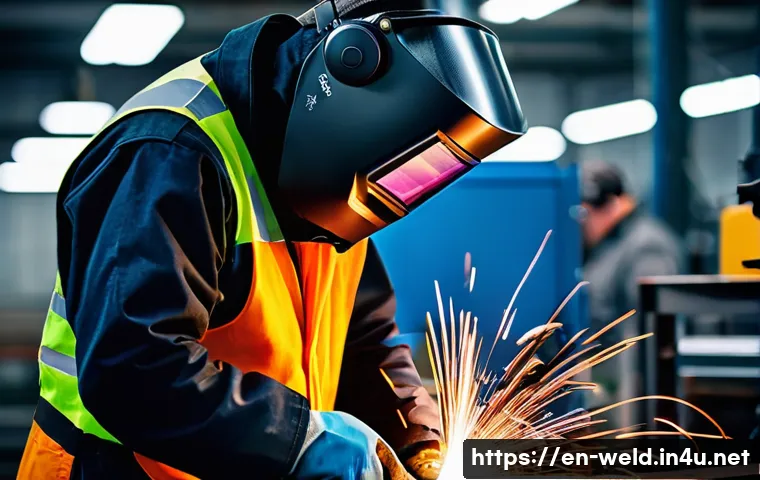
We’ve talked about the exciting builds, the technical skills, and the earning potential, but it’s absolutely crucial to address the very real human element of welding: health and safety. This is a profession that, if not approached with the utmost care and respect for safety protocols, can pose significant risks. Intense UV light, hazardous fumes, high heat, and the potential for electrical shock are all daily realities. However, with proper training, diligent use of Personal Protective Equipment (PPE), and adherence to established safety standards, welding can be a safe and rewarding career. I’ve seen workshops where safety is practically a religion, with excellent ventilation, regular equipment checks, and a culture where everyone looks out for each other. Conversely, I’ve also heard cautionary tales from environments where safety was an afterthought, leading to preventable accidents and long-term health issues. Your well-being isn’t just a regulatory checkbox; it’s fundamental to a sustainable and enjoyable career in welding. It’s about empowering yourself with knowledge and making smart choices every single day on the job.
Mitigating Risks: Best Practices and Essential Safety Gear
The good news is that the welding industry has made incredible strides in safety, with continuous advancements in both equipment and training. Beyond the basic PPE we discussed earlier, modern safety protocols emphasize ventilation systems to extract fumes, proper grounding for electrical safety, and fire prevention measures like fire blankets and extinguishers always at hand. Regular training sessions on updated safety procedures and equipment are vital. It’s also about fostering a safety-conscious mindset. This means inspecting your gear before each use, understanding the specific hazards of the materials you’re working with, and never taking shortcuts. I can’t stress this enough: a moment of complacency can lead to serious injury. Think of it like this: your helmet, gloves, and jacket are not just tools; they are your personal bodyguards. Investing in high-quality, comfortable safety gear makes it easier to use consistently. This proactive approach to safety ensures that you not only get the job done but also return home safely at the end of each day, ready to tackle the next challenge.
Long-Term Health Considerations and Prevention
Beyond immediate injury risks, welders also need to be mindful of potential long-term health concerns. Exposure to welding fumes, for instance, can lead to respiratory issues if proper ventilation and respiratory protection (like respirators or fume extractors) aren’t consistently used. Hearing loss from sustained noise is another common concern, making hearing protection non-negotiable. Ergonomics also plays a crucial role; repetitive motions and awkward postures can lead to musculoskeletal disorders over time. Taking regular breaks, stretching, and understanding how to set up your workspace to minimize strain can significantly reduce these risks. I’ve known welders who proactively manage their health, staying active, eating well, and getting regular check-ups, ensuring they can enjoy their physically demanding profession for decades. The key is prevention and being proactive about your health. Don’t wait until you feel discomfort to address potential issues. By integrating these health-conscious practices into your daily routine, you can ensure that your welding career is not only fulfilling but also sustainable for the long haul, allowing you to enjoy the fruits of your labor for years to come.
Staying Ahead of the Curve: Innovation and the Future of Welding
The world of welding isn’t stagnant; it’s constantly evolving, driven by innovation in materials, technology, and manufacturing processes. For anyone considering or currently in the trade, staying updated on these changes isn’t just a good idea—it’s essential for long-term career growth and relevance. I’ve seen firsthand how new techniques and equipment can drastically change the efficiency and quality of work. Think about the rise of automation with robotic welding, the precision offered by laser welding, or the ability to join dissimilar metals with friction stir welding. These advancements are pushing the boundaries of what’s possible, opening up new opportunities and demanding new skill sets from the workforce. The idea that welding is a traditional, unchanging trade is simply outdated. It’s a dynamic field that rewards continuous learning and adaptability. Embracing these innovations won’t just make you a better welder; it’ll make you a more marketable and valuable asset in an increasingly technologically driven industry, ensuring your skills remain in high demand.
Embracing Automation and Advanced Techniques
While some might view automation as a threat, truly savvy welders see it as an opportunity. Robotic welding systems, for instance, are increasingly used for repetitive, high-volume tasks in manufacturing. This doesn’t eliminate the need for human welders, but rather shifts their role towards programming, overseeing, and maintaining these sophisticated machines, as well as handling custom, complex, or low-volume jobs that robots aren’t suited for. Furthermore, advanced welding techniques like laser welding, electron beam welding, and even additive manufacturing (3D printing with metal) are becoming more prevalent in high-tech industries. These processes offer unparalleled precision and the ability to work with materials and geometries that were once impossible. Learning about these techniques, even if you’re not directly operating the equipment, gives you a significant advantage and a deeper understanding of the evolving landscape of metal fabrication. It’s about adapting your mindset and expanding your knowledge base to include these cutting-edge methods.
Continuous Learning: The Key to a Sustainable Career
In a field that’s constantly innovating, resting on your laurels is a sure way to get left behind. The most successful welders I know are lifelong learners. They actively seek out new certifications, attend workshops, read industry publications, and experiment with new materials and techniques. Whether it’s learning a new welding process like plasma arc welding, understanding the intricacies of welding advanced alloys, or even brushing up on blueprint reading skills, continuous education is paramount. Many community colleges and trade schools offer advanced courses and specialized certifications that can significantly boost your career trajectory. Online resources, forums, and YouTube channels dedicated to welding also provide a wealth of information and tutorials. It’s about fostering a curious mindset and a commitment to personal and professional development. This dedication to continuous learning not only keeps your skills sharp and relevant but also opens doors to new opportunities, allowing you to tackle more challenging and rewarding projects throughout your long and prosperous welding career. Remember, the journey of a master welder is one of perpetual learning and refinement.
Concluding Thoughts
Whew, we’ve covered a lot, haven’t we? From the colossal impact welders have on our infrastructure to the nuanced skills and dedication required, it’s clear that this isn’t just a job; it’s a craft, a calling, and a powerful way to shape the world around us. I truly believe that welding offers a profoundly rewarding path for anyone who loves working with their hands, solving problems, and seeing the tangible results of their hard work. It’s a journey of continuous learning and growth, where every new project brings fresh challenges and opportunities to expand your expertise. So, whether you’re just starting out or looking to deepen your skills, remember the incredible value you bring to every joint you fuse. Keep those sparks flying, safely and skillfully!
Useful Information to Know
Here are a few quick tips and insights I’ve picked up along the way that might just make your welding journey a little smoother:
1. Network Like Crazy: The welding community is incredibly supportive. Go to trade shows, join online forums, and connect with experienced welders. You’ll learn invaluable tips, find job opportunities, and perhaps even discover a mentor who can guide you through tougher projects. Seriously, I’ve seen entire careers launch from a single conversation at a local fabrication meet-up!
2. Invest in Quality PPE: I know, it sounds obvious, but don’t skimp here. A comfortable, high-quality auto-darkening helmet, durable gloves, and proper flame-resistant clothing aren’t just about safety—they make your work more enjoyable and efficient. Cheap gear often leads to discomfort, distraction, and potential injury, which no one wants.
3. Practice, Practice, Practice: There’s no substitute for hood time. Even when you feel you’ve mastered a technique, find new challenges. Weld different metals, try new positions, and experiment with various machine settings. The more diverse your experience, the more versatile and valuable you become in the field. I still find myself trying new things after all these years!
4. Consider Specialization Early: While a broad skill set is great, identifying an area you’re passionate about, like pipe welding, aerospace, or even artistic metalwork, can really accelerate your career and earning potential. Specialization often leads to higher demand and better-paying jobs, so start thinking about where your interests truly lie.
5. Stay Current with Tech: Welding technology is constantly evolving. Keep an eye on new machines, processes like laser welding or robotic systems, and advanced materials. Understanding these innovations, even if you’re not using them daily, keeps you relevant and opens up doors to future opportunities in cutting-edge industries. Never stop learning, my friends!
Key Takeaways
To wrap things up, let’s distill the essence of what makes welding such a compelling and vital profession. What I’ve really taken away from my own experiences, and from talking to countless others in the trade, is that welders are truly the unsung architects of our modern world. Your hands are literally connecting the pieces that form our skylines, our pipelines, and the very machines that drive our lives. It’s a job that demands not just physical strength and precision, but also a sharp mind for problem-solving and an unwavering commitment to safety. The continuous learning, the adaptability required to navigate diverse environments, and the sheer satisfaction of creating something durable and essential are what make this career so uniquely rewarding. The earning potential is solid, especially as you specialize and gain certifications, making it a pathway to true financial independence. Ultimately, being a welder is about building a legacy, one strong, beautiful weld at a time. It’s a career filled with integrity, purpose, and endless opportunities to make a real, tangible impact.
Frequently Asked Questions (FAQ) 📖
Q: What’s the day-to-day really like for a welder, and what are the biggest challenges people often don’t realize about the job?
A: Oh, this is a fantastic question, and one I get asked a lot! When most people picture a welder, they imagine sparks flying and a cool mask. While that’s definitely part of it, the reality is a whole lot more nuanced and, frankly, much more demanding than it looks from the outside.
A typical day can vary wildly depending on your specialization. One day you might be on a construction site, hoisted up high, working on structural steel in all kinds of weather.
The next, you could be in a pristine shop, meticulously TIG welding delicate aerospace components. But regardless of the setting, the core challenges remain.
First off, it’s incredibly physically demanding. I remember my first few months; my back and neck would ache from being hunched over in awkward positions, trying to get that perfect bead.
You’re often lifting heavy materials, maneuvering equipment, and enduring high temperatures, especially if you’re working outdoors in the summer or in a poorly ventilated shop.
The repetitive motions can take a toll on your wrists and shoulders over time, too. It’s not just brute strength, it’s about stamina and spatial awareness, constantly twisting and turning to reach the weld joint.
Then there’s the mental game. Welding isn’t just about pulling a trigger; it requires immense precision, concentration, and problem-solving. You’re constantly analyzing blueprints, understanding different metal properties, and adjusting your technique on the fly.
One tiny mistake can compromise the integrity of an entire structure, and that’s a huge responsibility. The focus required, sometimes for hours on end in a noisy environment, can be mentally exhausting.
And let’s not forget safety – it’s paramount. You’re dealing with extreme heat, UV radiation, molten metal, and often hazardous fumes. Maintaining vigilance, always checking your PPE (Personal Protective Equipment), and being aware of your surroundings isn’t just a rule, it’s a life-or-death habit you develop.
It’s truly a job that asks for everything you’ve got, physically and mentally, every single day.
Q: Beyond the initial training, what does a career path for a welder look like, and what kind of earning potential can one truly expect in this field?
A: This is where things get really exciting, because the world of welding is far from a static, one-and-done career. It’s a dynamic field with tons of opportunities for growth and specialization!
After completing your initial training and getting some hands-on experience, you’ll likely start as an entry-level welder, honing your skills in a shop or on a smaller project.
But that’s just the beginning. The beauty of welding lies in its vast array of specializations. You could become an expert in pipe welding, which is incredibly high-demand and often leads to lucrative opportunities in the oil, gas, and petrochemical industries.
Or perhaps structural welding, building the frameworks for skyscrapers and bridges, appeals to you. Then there’s TIG welding, known for its precision and often used in aerospace or medical device manufacturing, demanding an almost artistic touch.
Some welders even go underwater, tackling repairs on offshore rigs or ships, which is incredibly dangerous but comes with a hefty paycheck. As you gain experience and earn advanced certifications, your value skyrockets.
Think about becoming a certified welding inspector, a supervisor, a fabrication shop manager, or even starting your own custom fabrication business. The sky’s truly the limit!
When it comes to earning potential, it’s a spectrum, but generally, it’s a field with solid earning power that grows significantly with skill and experience.
Entry-level welders might start somewhere in the mid-$40,000s to low-$50,000s annually, but with just a few years of experience and a few specialized certifications, that number can quickly climb into the $60,000s, $70,000s, and beyond.
Highly specialized welders, especially those in niche areas like underwater welding, nuclear welding, or pipeline welding, can easily command six-figure salaries.
Location plays a huge role too; certain states and regions with high industrial demand offer better pay. Plus, overtime is often available and can significantly boost your income.
My friend Sarah, who I mentioned earlier, started out in a small fabrication shop, but after dedicating herself to pipe welding certifications and putting in the hours, she’s now a lead welder on major pipeline projects, and her income has more than tripled!
It’s all about continuous learning, sharpening your skills, and strategically pursuing those in-demand certifications.
Q: For someone completely new to the idea, what’s the best way to get started in welding, and what fundamental skills are absolutely essential to develop early on?
A: If you’re feeling that spark of interest in welding, that’s fantastic! Getting started might seem daunting, but there’s a pretty clear path. The absolute best way to jump in is through formal training.
Look for accredited vocational schools, community college programs, or trade schools that offer comprehensive welding courses. These programs will give you a solid foundation in different welding processes (like MIG, TIG, Stick), safety protocols, blueprint reading, and metallurgy.
Many programs even offer certifications that employers highly value. Another excellent route, if you can find one, is an apprenticeship. This is a fantastic blend of classroom learning and paid on-the-job training, where you learn directly from experienced welders.
It’s like getting paid to go to school and gain real-world experience simultaneously! Now, for those absolutely essential fundamental skills to develop early on – and trust me, they’re crucial for success – here’s my breakdown:1.
Hand-Eye Coordination & Dexterity: Welding is all about control. You need to guide the torch or electrode with incredible precision while maintaining a steady hand.
My first few attempts looked like a toddler’s scribble, but with practice, it became second nature. 2. Patience & Attention to Detail: You won’t be a master overnight.
It takes hundreds, if not thousands, of hours of practice to consistently lay down perfect welds. You have to be meticulous; a tiny flaw can have big consequences.
3. Spatial Reasoning: You’ll constantly be visualizing how parts fit together, how the weld pool will behave, and how to maneuver your body and equipment in tight spaces.
4. Basic Math & Blueprint Reading: Understanding measurements, angles, and interpreting blueprints are non-negotiable. You can’t build something if you can’t read the instructions!
5. A Relentless Commitment to Safety: This isn’t just a skill, it’s a mindset. Always wear your PPE, understand ventilation, and be aware of your surroundings.
Your health and well-being depend on it. 6. Troubleshooting & Problem-Solving: Welds don’t always go perfectly.
Being able to identify why a weld isn’t performing as expected and adjusting your technique is key. My biggest piece of advice? Practice, practice, practice!
Get as much torch time as you possibly can. Don’t be afraid to make mistakes – that’s how you learn. Find a good mentor if you can; their guidance is invaluable.
And never stop learning; the welding world is always evolving, and staying current with new techniques and materials will keep your skills sharp and your career thriving.