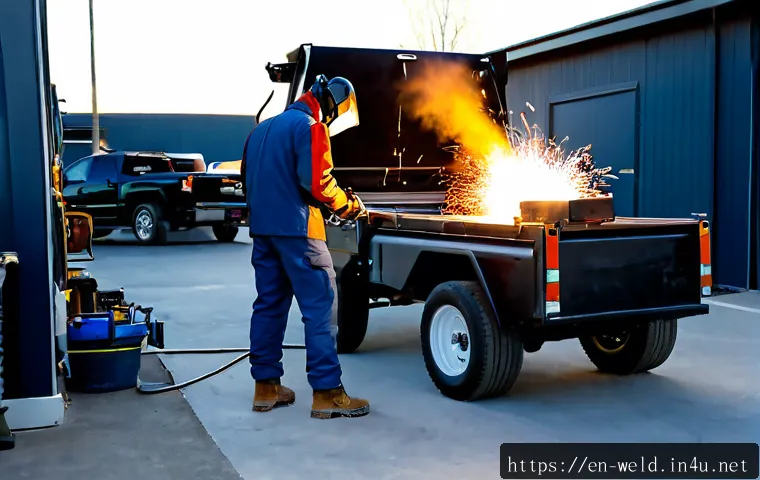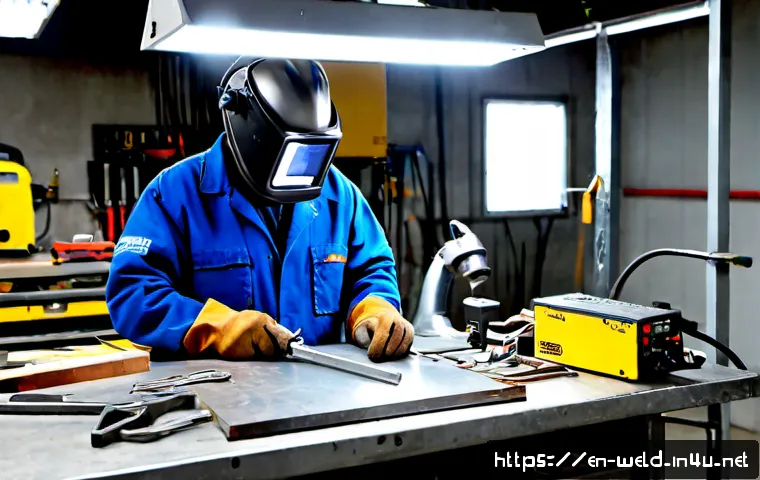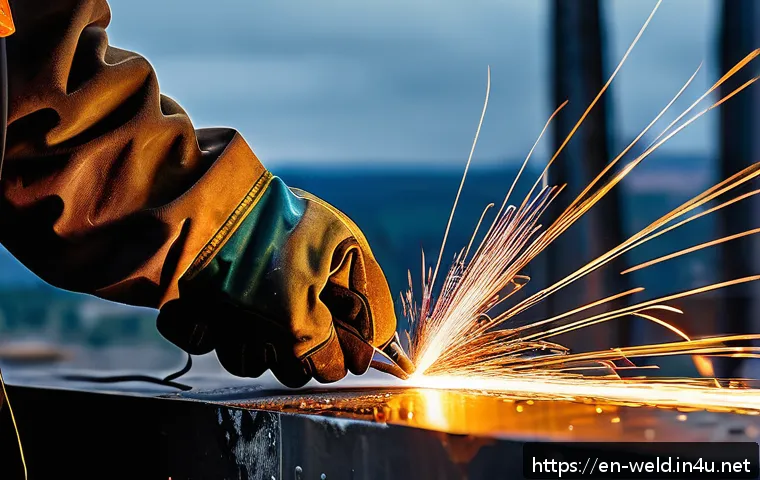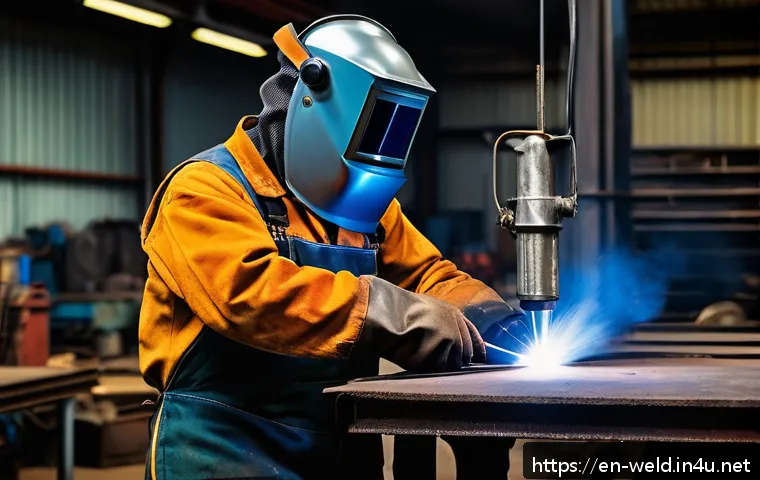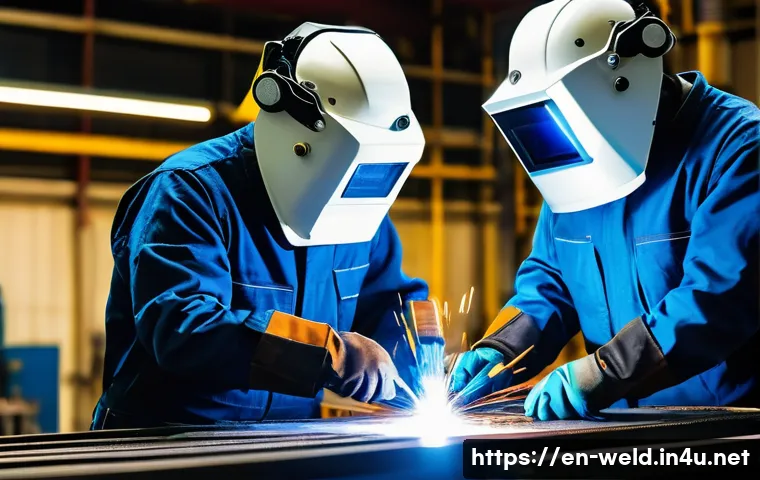
Welding. The word alone conjures images of sparks flying and the intense heat required to fuse metals together. But beyond the spectacle lies a precise and incredibly valuable skill, one that opens doors to a vast array of industries and career paths.
From constructing towering skyscrapers to crafting intricate artwork, the applications of welding are seemingly endless, and the demand for skilled welders continues to rise.
I’ve seen firsthand how mastering special welding techniques can be a game-changer in the job market. As technology advances, new and innovative welding processes are constantly emerging, demanding a commitment to lifelong learning for those seeking to stay ahead.
The future of welding is bright, with robotics and automation playing an increasing role, but the need for skilled human welders, particularly those who can adapt to these new technologies, remains paramount.
Let’s dive in and accurately discover more about it in the following article!
## Mastering Advanced Welding Techniques for Career AdvancementWelding isn’t just about joining metal; it’s about mastering a craft that opens doors to specialized industries and higher earning potential.
Having the foundational skills is great, but delving into advanced techniques will set you apart from the crowd. I’ve seen welders catapult their careers by becoming experts in specific areas.
It’s not just about knowing how to weld; it’s about knowing how to weld *exceptionally well* in niche areas like aerospace or underwater construction.
The key is identifying high-demand specializations and investing in the training and certifications needed to excel. The rewards are well worth the effort.
Understanding the TIG Welding Process
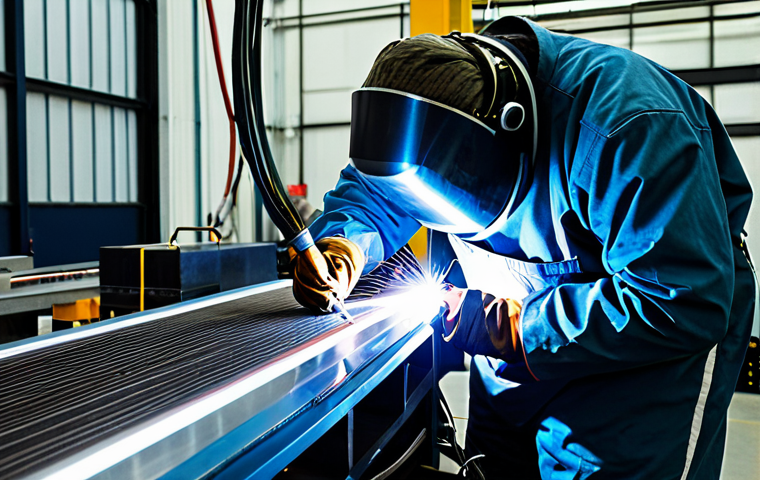
TIG (Tungsten Inert Gas) welding, also known as GTAW (Gas Tungsten Arc Welding), is a process that uses a non-consumable tungsten electrode to produce the weld.
The weld area is protected from atmospheric contamination by an inert shielding gas (usually argon), and a filler metal may be used, though it isn’t always necessary.
What sets TIG apart is the level of control it offers. You can precisely control the heat input and filler metal addition, making it ideal for welding thin materials, non-ferrous metals like aluminum and magnesium, and applications requiring high-quality, aesthetically pleasing welds.
I remember struggling with TIG at first, feeling like I was trying to paint with fire, but once I grasped the nuances of amperage control and torch manipulation, the results were incredibly satisfying.
Applications and Benefits of TIG
TIG welding is widely used in industries like aerospace, automotive, and nuclear power, where precision and quality are paramount. Think about the intricate welds required in aircraft engines or the seamless joints in stainless steel piping within a pharmaceutical plant.
TIG’s ability to produce clean, strong welds with minimal spatter makes it perfect for these demanding applications. The downside? TIG is slower and requires more skill than other welding processes like MIG.
But the higher quality and versatility often justify the extra time and effort.
Achieving TIG Welding Mastery
Becoming a TIG welding master takes dedication and practice. It’s not enough to just read about it; you need to put in the hours under the hood. Start by mastering the basics of torch manipulation, amperage control, and filler metal addition on scrap metal.
Then, gradually progress to more complex joints and materials. Seek out mentorship from experienced TIG welders and consider enrolling in advanced training courses to refine your skills.
Remember, consistency is key. Focus on developing muscle memory and a keen eye for detail. With persistence, you’ll be laying down flawless TIG welds in no time.
Embracing Robotic Welding for Enhanced Efficiency
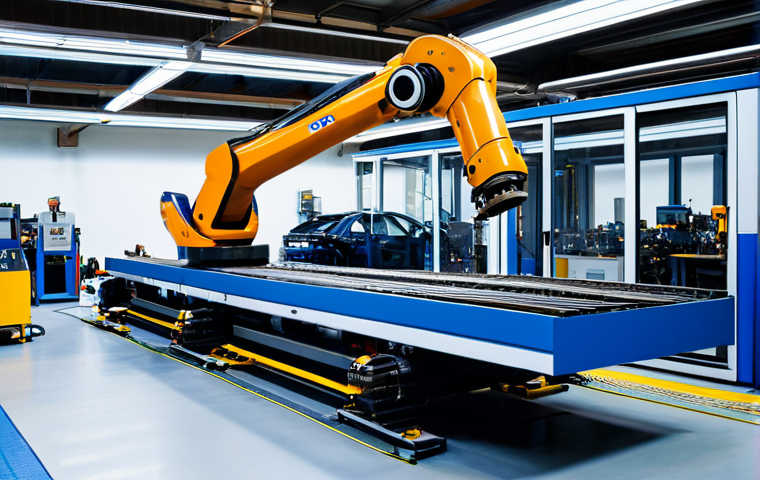
Robotic welding is revolutionizing the manufacturing landscape, offering unparalleled precision, speed, and consistency. While it might seem like robots are poised to replace human welders entirely, the reality is more nuanced.
Robots excel at repetitive tasks and high-volume production, but they often lack the adaptability and problem-solving skills needed for complex or unique welding scenarios.
The best approach? Embrace robotic welding as a tool to enhance efficiency and productivity, while focusing on developing the skills needed to program, maintain, and troubleshoot these automated systems.
Integrating Robots into the Welding Process
Integrating robots into a welding operation isn’t as simple as plugging them in and hitting “start.” It requires careful planning, programming, and integration with existing equipment.
You need to define the specific tasks that the robot will perform, design appropriate fixturing to hold the parts in place, and develop a welding program that optimizes parameters like welding speed, amperage, and voltage.
Moreover, safety is paramount. Robots operate at high speeds and generate intense heat, so proper guarding and safety protocols are essential.
The Symbiotic Relationship Between Humans and Robots
The most successful welding operations leverage the strengths of both humans and robots. Robots handle the repetitive, high-volume tasks, while skilled human welders focus on complex or specialized welds, quality control, and troubleshooting.
Think of it as a symbiotic relationship. Robots free up human welders to focus on higher-value tasks, while human welders ensure that the robots are operating correctly and efficiently.
Acquiring Skills for the Age of Automation
As robotic welding becomes more prevalent, the demand for skilled technicians who can program, maintain, and troubleshoot these systems will continue to grow.
Invest in training courses that cover topics like robot programming, welding automation, and electrical troubleshooting. Familiarize yourself with different robot manufacturers and control systems.
The more you know about robotic welding, the more valuable you’ll be in the job market.
Understanding Welding Metallurgy and Material Science
Welding isn’t just about melting metal; it’s about understanding how different metals behave when heated and cooled, and how the welding process affects their properties.
Welding metallurgy and material science are the foundation for producing strong, reliable welds that can withstand the rigors of their intended application.
Having a solid understanding in this area will enable you to make informed decisions about welding parameters, filler metal selection, and post-weld heat treatment, ultimately leading to improved weld quality and performance.
The Composition and Properties of Metals
Different metals have different compositions, microstructures, and mechanical properties. For example, carbon steel is relatively inexpensive and strong, but it’s susceptible to corrosion.
Stainless steel is more corrosion-resistant, but it’s also more expensive and can be more difficult to weld. Aluminum is lightweight and corrosion-resistant, but it has a low melting point and can be prone to distortion during welding.
Understanding these differences is crucial for selecting the right welding process and parameters for a given metal.
The Effects of Heat on Metals
The welding process involves subjecting metals to extreme heat, which can significantly alter their microstructure and mechanical properties. For example, rapid heating and cooling can create hardened zones that are brittle and prone to cracking.
Conversely, slow cooling can lead to grain growth, which can reduce the metal’s strength and toughness. Understanding these effects is essential for controlling the welding process and minimizing the risk of defects.
Selecting the Right Filler Metals and Techniques
Filler metals play a critical role in the welding process, as they contribute to the composition and properties of the weld. Choosing the wrong filler metal can lead to weak, brittle, or corrosion-prone welds.
The selection process should take into account the base metal composition, the welding process, the service environment, and the desired mechanical properties.
It’s also important to use proper welding techniques to ensure that the filler metal is properly fused with the base metal and that the weld is free from defects.
Mastering Pipe Welding Techniques for Specialized Industries
Pipe welding is a specialized skill that’s in high demand in industries like oil and gas, power generation, and chemical processing. Pipe welders are responsible for joining sections of pipe to create pipelines, pressure vessels, and other critical infrastructure components.
Pipe welding requires a high degree of precision and attention to detail, as even small defects can have catastrophic consequences. Mastering pipe welding techniques can open doors to lucrative career opportunities and provide a sense of accomplishment knowing that you’re contributing to the safe and reliable operation of essential industries.
Understanding Different Pipe Welding Positions
Pipe welding is typically performed in four positions: 1G (rolled), 2G (vertical), 5G (horizontal fixed), and 6G (inclined fixed). Each position presents unique challenges and requires different welding techniques.
The 6G position is considered the most difficult, as it requires the welder to maintain consistent weld quality while working in an awkward and often uncomfortable position.
Mastering all four positions is essential for becoming a versatile and highly sought-after pipe welder.
Achieving Consistent Root Pass Quality
The root pass is the first weld pass in a pipe joint, and it’s arguably the most important. A good root pass provides a solid foundation for subsequent weld passes and ensures that the weld is free from defects.
Achieving consistent root pass quality requires precise control of the welding parameters, filler metal addition, and torch manipulation. It’s also important to maintain a consistent travel speed and arc length to ensure that the weld is properly fused with the pipe.
Qualifying for Pipe Welding Certifications
Pipe welding certifications are a testament to a welder’s skills and knowledge, and they’re often required for working on critical infrastructure projects.
Certifications are typically issued by organizations like the American Welding Society (AWS) and the American Society of Mechanical Engineers (ASME). To qualify for a certification, welders must pass a series of tests that demonstrate their ability to produce sound welds in various positions and materials.
Earning pipe welding certifications can significantly enhance your career prospects and earning potential.
Diving into Underwater Welding for Unique Challenges
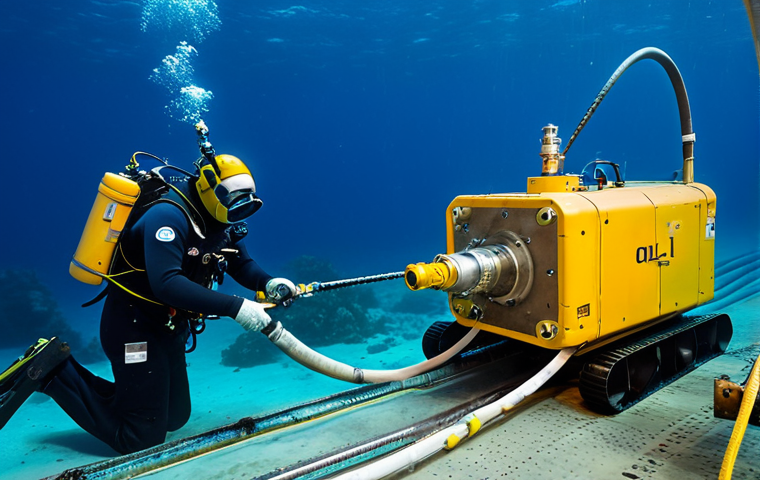
Underwater welding is one of the most challenging and rewarding welding specializations. It involves performing welding operations while submerged in water, typically for repairing or constructing offshore structures, pipelines, and ships.
Underwater welders face unique challenges, including limited visibility, strong currents, and the risk of electric shock. Mastering underwater welding techniques requires extensive training, specialized equipment, and a high degree of physical and mental fortitude.
But the rewards can be substantial, both financially and personally.
Wet vs. Dry Underwater Welding Techniques
There are two primary types of underwater welding: wet and dry. Wet welding involves performing the welding operation directly in the water, while dry welding involves creating a sealed chamber around the weld area to keep it dry.
Wet welding is more common due to its lower cost and greater flexibility, but it’s also more challenging due to the presence of water and the potential for hydrogen embrittlement.
Dry welding offers better weld quality and visibility, but it’s more expensive and requires specialized equipment.
Safety Considerations for Underwater Welding
Safety is paramount in underwater welding, as the environment presents numerous hazards. Underwater welders must be properly trained in safety procedures and equipped with appropriate safety gear, including a diving helmet, a welding shield, and insulated gloves and clothing.
It’s also important to have a qualified diving supervisor on site to monitor the welding operation and ensure that all safety protocols are followed.
Gaining Underwater Welding Certifications and Experience
Becoming a certified underwater welder requires extensive training and experience. Many underwater welding schools offer comprehensive programs that cover diving techniques, welding procedures, and safety protocols.
To become certified, welders must pass a series of tests that demonstrate their ability to perform sound welds in underwater conditions. Gaining practical experience is also essential, as underwater welding can be unpredictable and challenging.
| Welding Technique | Description | Applications | Advantages | Disadvantages |
|---|---|---|---|---|
| TIG Welding | Uses a non-consumable tungsten electrode with inert gas shielding. | Aerospace, automotive, nuclear power. | High precision, clean welds, versatile. | Slower, requires more skill. |
| Robotic Welding | Automated welding using robots. | Manufacturing, automotive, mass production. | Increased efficiency, consistency, speed. | High initial cost, less adaptable to complex tasks. |
| Pipe Welding | Specialized welding for joining pipes. | Oil and gas, power generation, chemical processing. | Creates pipelines, vessels, and infrastructure. | Requires high precision and attention to detail. |
| Underwater Welding | Welding operations performed underwater. | Offshore construction, pipeline repair, shipbuilding. | Repairs and constructs underwater structures. | Challenging conditions, safety risks. |
The Importance of Continuous Learning and Certification
The welding industry is constantly evolving, with new technologies and techniques emerging all the time. Staying ahead of the curve requires a commitment to continuous learning and professional development.
Attending workshops, conferences, and training courses can help you stay up-to-date on the latest trends and best practices. Earning certifications can validate your skills and knowledge, demonstrating your commitment to excellence and enhancing your career prospects.
Staying Updated with Industry Trends
The welding industry is constantly evolving, with new technologies and techniques emerging all the time. Subscribing to industry publications, attending conferences, and participating in online forums can help you stay up-to-date on the latest trends and best practices.
Some of the emerging trends in the welding industry include:* Advanced welding processes like laser welding and electron beam welding
* The use of artificial intelligence and machine learning in welding automation
* The development of new welding materials and alloys
* The increasing emphasis on sustainable welding practices
Pursuing Advanced Welding Certifications
Welding certifications are a testament to a welder’s skills and knowledge, and they can significantly enhance your career prospects. Certifications are typically issued by organizations like the American Welding Society (AWS) and the American Society of Mechanical Engineers (ASME).
Some of the advanced welding certifications that you can pursue include:* Certified Welding Inspector (CWI)
* Certified Welding Supervisor (CWS)
* Certified Robotic Arc Welding (CRAW)
Building a Network of Welding Professionals
Building a strong network of welding professionals can provide valuable opportunities for learning, mentorship, and career advancement. Attending industry events, joining professional organizations, and connecting with other welders on social media can help you build your network.
Networking can provide you with access to new job opportunities, insights into industry trends, and support from fellow welders.
Launching Your Own Welding Business
For those with an entrepreneurial spirit, launching a welding business can be a rewarding and lucrative endeavor. Starting a welding business requires careful planning, a solid understanding of business principles, and a willingness to work hard.
But with the right approach, you can build a successful and thriving welding business that provides valuable services to your community.
Developing a Business Plan
A well-developed business plan is essential for launching a successful welding business. Your business plan should include:* An executive summary that outlines your business goals and objectives
* A company description that details your welding services and target market
* A market analysis that identifies your competitors and market opportunities
* A marketing plan that outlines your strategies for attracting customers
* A financial plan that projects your revenues, expenses, and profits
Acquiring the Necessary Equipment and Resources
Starting a welding business requires investing in the necessary equipment and resources, including:* Welding machines and equipment
* Safety gear and personal protective equipment
* A workshop or mobile welding unit
* Insurance and licenses
Marketing Your Welding Services
Effective marketing is essential for attracting customers to your welding business. Some of the marketing strategies that you can use include:* Creating a professional website and social media presence
* Networking with local businesses and contractors
* Offering competitive pricing and discounts
* Providing excellent customer serviceMastering advanced welding techniques is a continuous journey, one that demands dedication, skill, and a thirst for knowledge.
Whether you’re perfecting your TIG welds, embracing the efficiency of robotics, or diving into the depths of underwater welding, the opportunities for growth and advancement are endless.
Remember that the welding world is a dynamic one. So keep learning, keep practicing, and keep pushing the boundaries of what’s possible.
Invaluable Tips and Tricks
1. Always double-check your equipment before starting a welding project. Ensuring everything is in good working order can prevent accidents and improve weld quality.
2. Invest in high-quality personal protective equipment (PPE). Your safety should always be a top priority.
3. Practice makes perfect. The more you weld, the better you’ll become at mastering different techniques and materials.
4. Seek out mentorship from experienced welders. They can provide valuable insights and guidance.
5. Stay up-to-date on the latest welding technologies and trends by attending workshops and conferences.
Key Takeaways
* Advanced welding techniques like TIG, robotic, pipe, and underwater welding can significantly enhance your career prospects and earning potential.
* A strong understanding of welding metallurgy and material science is essential for producing high-quality, reliable welds. * Continuous learning and certification are crucial for staying ahead of the curve in the ever-evolving welding industry.
* Launching your own welding business can be a rewarding and lucrative endeavor for those with an entrepreneurial spirit. * Prioritize safety in all welding operations, using proper equipment and following safety protocols.
Frequently Asked Questions (FAQ) 📖
Q: What are some unexpected places where welding is used, besides obvious ones like construction?
A: You know, I was surprised to learn that welding is crucial in things like aerospace manufacturing, creating intricate surgical tools, and even in the restoration of antique cars.
I mean, restoring a classic Mustang? That probably involves some serious welding work! It’s not just about building big stuff; it’s about precision and artistry too.
Q: With all the talk about robots taking over, is there really still a demand for human welders?
A: Absolutely! While robots are becoming more common, especially for repetitive tasks, they can’t replace the skill and adaptability of a human welder. Think about it – robots struggle with complex, non-standard welds or on-the-spot problem-solving.
I heard from a buddy who runs a custom metal fabrication shop, and he says his experienced welders are worth their weight in gold because they can handle the tricky jobs the robots just can’t.
It’s about having that human touch and the ability to make adjustments on the fly.
Q: I’m thinking about getting into welding, but it seems intimidating. What’s the best way to get started if I’m a complete beginner?
A: Don’t let it scare you! Honestly, the best approach is to find a reputable vocational school or community college that offers welding programs. Many offer introductory courses that cover the basics of different welding techniques like MIG, TIG, and stick welding.
I’ve seen people start with zero experience and, within a few months, be laying down some pretty impressive beads. Plus, a good program will teach you about safety, which is super important.
Think of it like learning to play the guitar – start with the chords, and before you know it, you’ll be rocking out!
📚 References
Wikipedia Encyclopedia